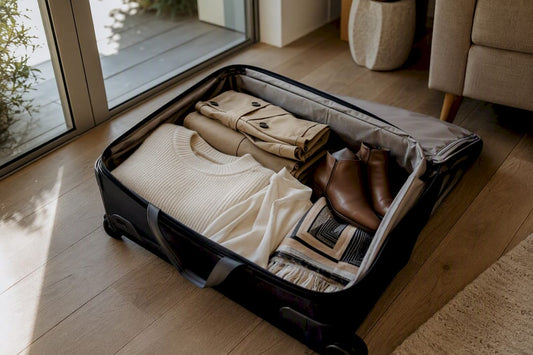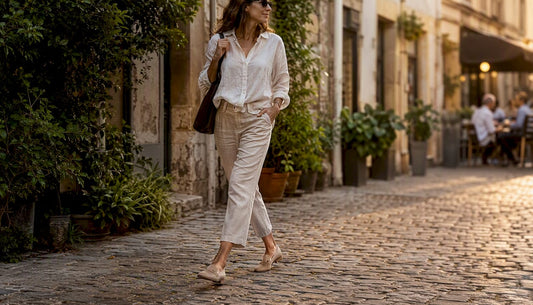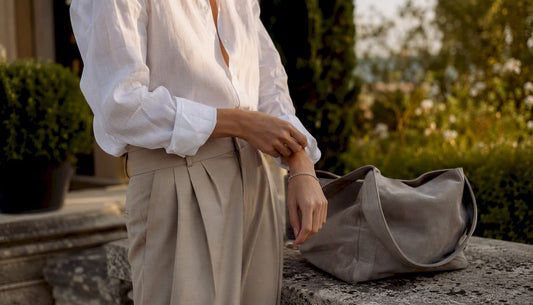

Ballet flats work best when you counterbalance their delicate silhouette, either with heavier fabric and structure elsewhere in the outfit, or with a visible ankle line that stops the shoe from swallowing your leg. Keep the contrast seasonal: linen, denim and bare ankles in summer; suede, wool and cropped hems once the weather turns. Two flats worth building around are the Vana Ballet Flats in Black, a pointed capsule staple, and the Bala Shoes in Khaki, a relaxed weekend pair.
- Show a sliver of ankle to keep proportions light
- Match fabric weight to the season, not just the colour palette
- Keep one polished black pair and one casual pair in year-round rotation
Key takeaways
Ballet flats work in every season and occasion when you balance their delicate shape with either heavier fabric elsewhere in the outfit or a visible ankle line.
| Point | Details |
|---|---|
| Contrast is the rule | Pair soft flats with structured coats and knits in cooler months, and light fabrics like linen in summer. |
| Show the ankle | A visible sliver of skin or a fine sock keeps proportions light and stops the shoe cutting off the leg. |
| Toe shape sets formality | Pointed and almond toes dress an outfit up; round toes suit denim and weekend looks. |
| Choose bottoms that hit the ankle | Cropped jeans, capris and midi skirts pair best; long uncropped trousers need cuffing. |
| Build a small, versatile pair collection | Edito’s Vana Ballet Flats in Black and Bala Shoes in Khaki cover polished and casual needs. |
Table of Contents
- Ballet flats outfits worth copying this season
- How to wear ballet flats without looking frumpy
- Best pants and skirts to pair with ballet flats
- Short buying guide: shape, material and comfort
- Edito Boutique styling note: fabrics, textures and seasonal pairings
- Stylist perspective: why flats stay in rotation
- Edito Boutique picks: shop the look
- Sources
- FAQ
Ballet flats outfits worth copying this season
The best ballet flats outfits follow a formula: one structured piece, one soft piece, and a shoe that either disappears quietly or does the talking. Vogue’s own “how to wear” features build looks around exactly this kind of contrast, whether it’s a studded flat against relaxed trousers or a woven flat under a minimalist mini, and the outfit recipes Vogue runs through are a genuinely useful reference for photographing your own combinations.
- Cropped jeans, fitted tee, pointed flats (summer, weekend). The crop is doing the real work here, showing enough ankle that the flat reads as deliberate rather than an afterthought.
- Slip dress, lightweight knit, metallic flats (late summer, date night). Metallic hardware lifts a plain slip without adding height, and the knit stops bare shoulders looking under dressed once the sun drops.
- Wide-leg cropped denim, silk cami, ballet flats (transition, weekend). Wide-leg denim needs a pointed or almond toe to keep the leg line long; a round toe here reads heavy.
- Tailored trousers, silk shirt, pointed flats (office). This is the easiest way to soften a corporate outfit without losing polish, and it’s where a black leather flat like the Vana pairs best.
- Midi skirt, fine-gauge jumper, suede flats (autumn, weekend). Suede adds seasonal texture where a smooth leather flat would look out of place against knitwear.
- Tailored coat, cropped trousers, structured flats (winter, office to evening). Who What Wear’s cold-weather styling leans on this exact contrast, an oversized coat against a neat, structured flat, to stop the whole look feeling flimsy.
Magazine styling consistently uses lace slips, linen and relaxed denim to carry ballet flats from midsummer into autumn without a wardrobe overhaul, which is worth remembering before you buy a whole new seasonal shoe.
Pro Tip: Toe shape changes formality faster than anything else in the outfit. A round toe reads casual and youthful; a pointed or almond toe reads polished enough for the office, even in the same leather and colour.
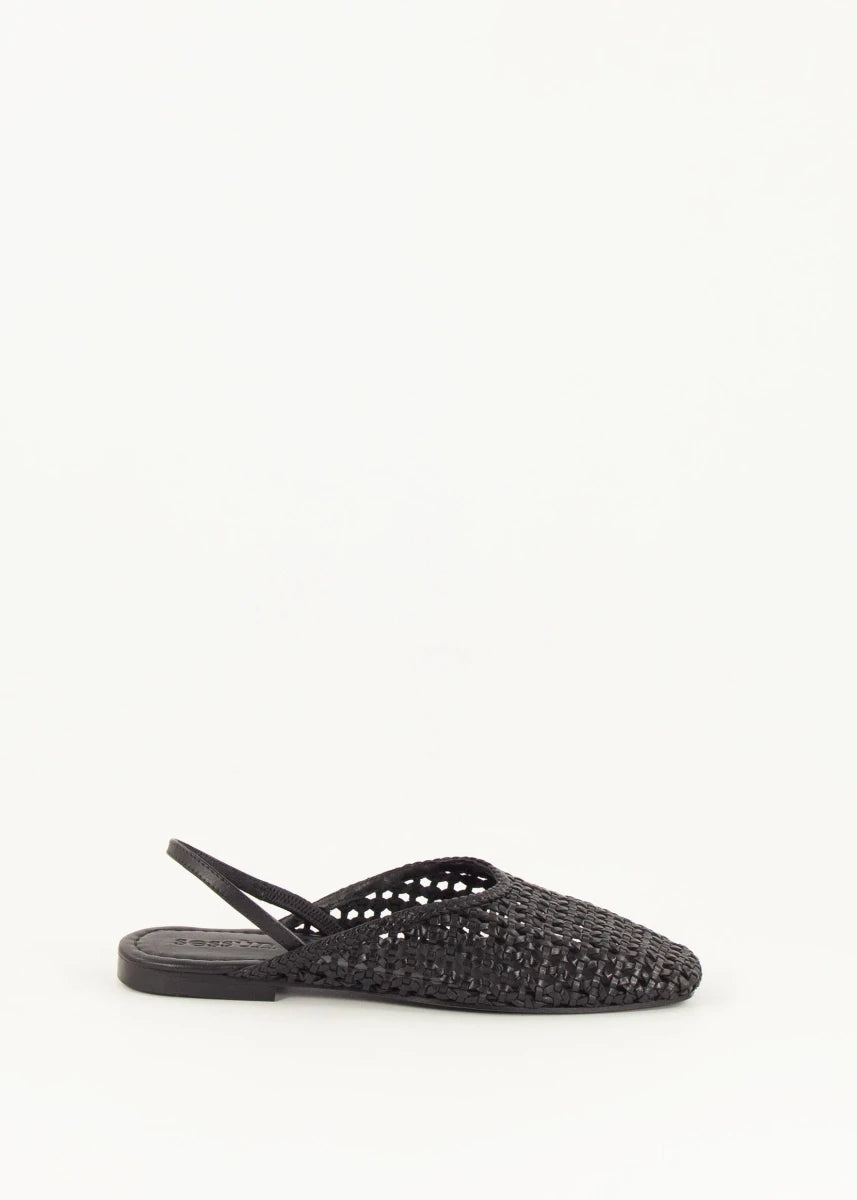
How to wear ballet flats without looking frumpy
Frumpy ballet flats outfits nearly always come down to one mistake: too much fabric pooling at the ankle with nothing to break it up. Fix the proportion first and the rest of the outfit usually falls into place.
- Cuff or crop trousers just above the ankle bone. Full-length hems that brush the top of the flat cut the leg line short.
- Show at least a sliver of skin (or a sheer sock) between hem and shoe. This is the single most reliable fix for a heavy-looking outfit.
- Contrast delicate flats with structured outerwear in cooler months. A soft flat under a boxy blazer or wool coat reads intentional; under a shapeless cardigan, it reads unfinished.
- Swap round toes for a slightly pointed or almond shape when dressing up. It’s a small change with an outsized effect on formality.
- Add a delicate ribbed sock rather than plain hosiery when the weather demands coverage. Bare ankle with tights underneath can look muddled.
Best pants and skirts to pair with ballet flats
Bottoms that end cleanly at or just above the ankle are the safest match for flats, because they preserve the exact proportion the shoe needs to look chic rather than childish.
- Cropped straight or barrel jeans: hit right above the ankle bone, the classic pairing.
- Wide-leg cropped denim: needs a pointed flat to stop the wide hem swallowing the shoe.
- Capris and tailored cropped trousers: office-friendly, especially with a pointed toe.
- Midi skirts, including pleats: show ankle naturally and suit both suede and leather flats.
- Maxi skirts: work only if the skirt sits high on the waist or has a front slit; otherwise the flat disappears entirely.
Long, uncropped trousers are the one bottom that consistently defeats flats, unless you cuff them. When hosiery is unavoidable, look for a flat with an elasticised or slightly ruched opening rather than a rigid vamp, since a stiff edge against a sheer sock or tight creates an awkward, visible seam at the ankle.
Short buying guide: shape, material and comfort
Getting the shape right matters more than getting the trend right. Pointed and almond toes lengthen the leg and dress an outfit up; round toes read younger and more casual, better suited to denim and weekend looks than tailoring.
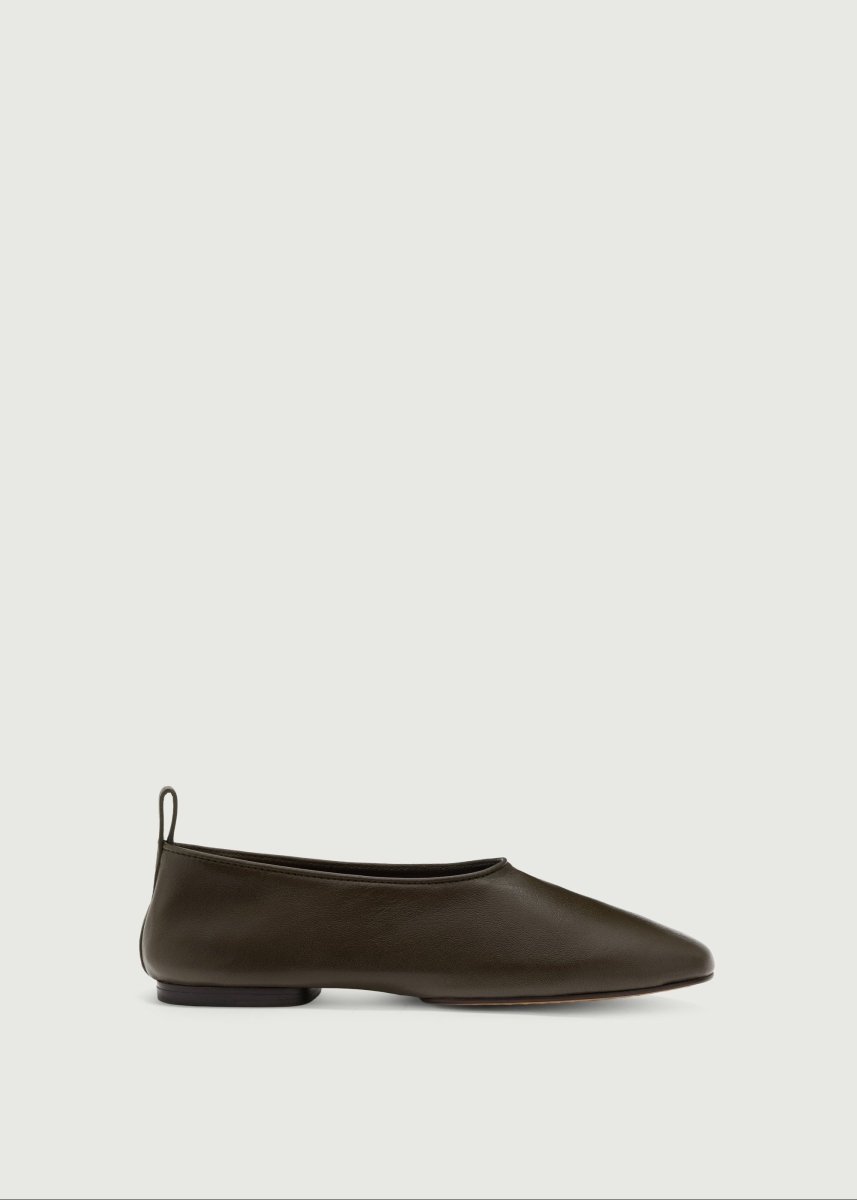
Material dictates the season as much as it dictates the formality. Leather and patent carry you from spring through autumn and hold their shape best for daily wear. Suede and velvet read as cooler-weather textures and pair naturally with the heavier knits and coats winter demands, echoing the same contrast principle that makes flats work against structured outerwear. Mesh and canvas are strictly warm-weather, breathable but far less durable.
Comfort comes down to structure, not softness. A capsule wardrobe genuinely benefits from one reliable, well-made pair rather than several soft, unsupportive ones, and a slightly structured upper with proper sole support will outlast a flimsier flat many times over on long days on your feet.
A good ballet flat should feel like it has a backbone. If the upper collapses the moment you put your foot in, the shape won’t hold past a single wear, and neither will the outfit around it.
Look after leather with a light conditioning cream every few months, brush suede after each wear to lift flattened nap, and store both away from direct sun to stop colour fade.
Edito Boutique styling note: fabrics, textures and seasonal pairings
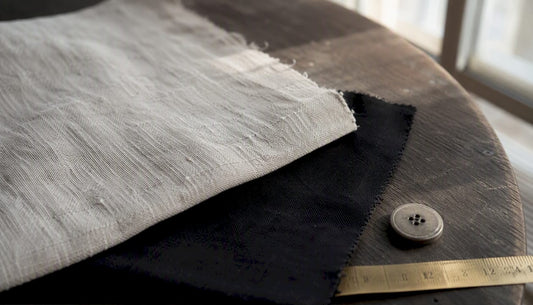
Fabric pairing is where a ballet flat outfit either lifts or falls flat, quite literally. Linen and poplin are the natural summer partners, light enough that a delicate flat doesn’t look out of scale. Come evening, silk and satin let a metallic or patent flat catch the light without competing. Once the weather cools, suede and velvet flats sit comfortably against heavier wool and structured knitwear, the same contrast principle that makes a flat work under a substantial coat rather than disappearing beneath it.
- Linen and poplin for warm-weather ease
- Silk and satin for evening polish
- Suede and velvet against fine-gauge knits in autumn
- Structured wool and heavy knits balanced by a neat, pointed flat in winter
Pro Tip: When in doubt, pair the softest shoe in your wardrobe with the most structured top or coat you own. The contrast between the two is what reads as considered rather than accidental.
Stylist perspective: why flats stay in rotation
I keep two ballet flats on constant rotation, one black and one in a warmer neutral, because that’s genuinely all a capsule wardrobe needs. Build from there rather than chasing every seasonal colour. If you’re only adding one pair this year, choose the one that works with the most outfits you already own.
Edito Boutique picks: shop the look
A capsule shoe collection doesn’t need to be large, it needs to be considered. Edito’s edit keeps two ballet flats worth building a wardrobe around: one for polish, one for ease.
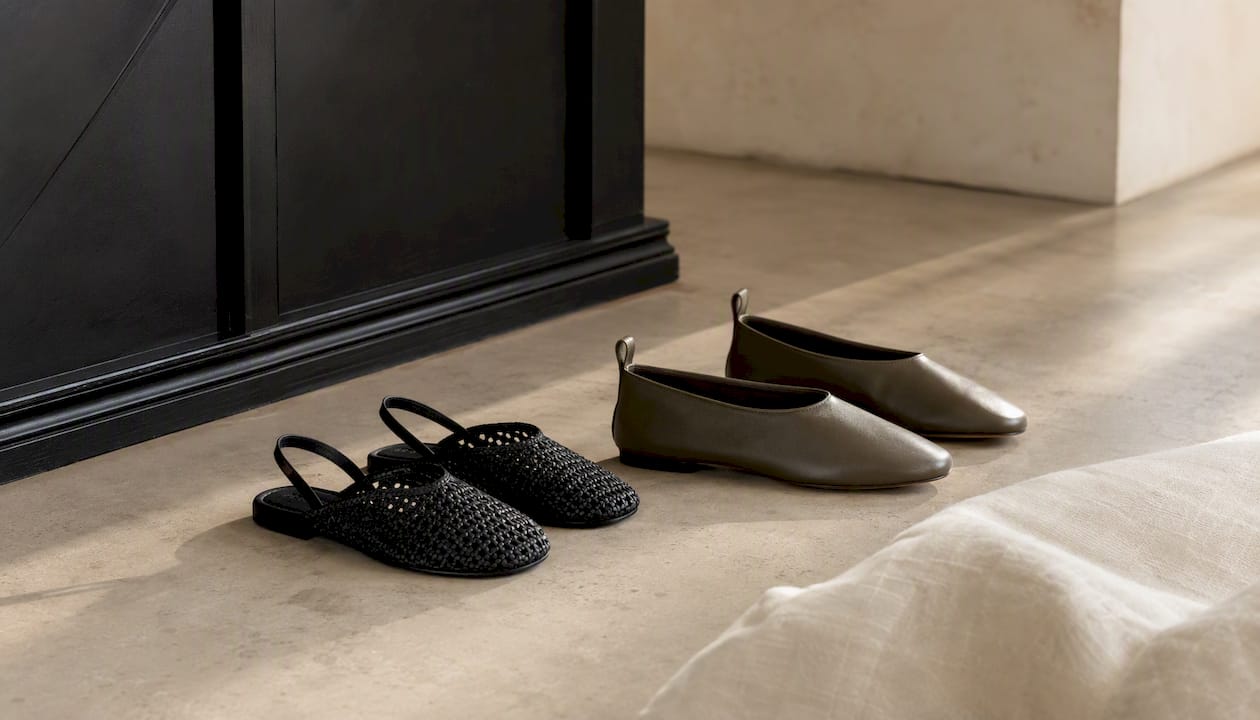
The Vana Ballet Flats in Black are the versatile pick, a pointed toe that moves from tailored trousers to a slip dress without missing a beat, and the pair worth owning first if you’re starting from scratch. The Bala Shoes in Khaki cover the casual and travel end of things, an easy match for cropped denim or a linen set on days that call for less formality. Both ship with straightforward returns, so sizing between the two is genuinely low-risk if you’re not sure which shape suits your foot. Browse the current edit and add whichever fills the gap in your own rotation.
Sources
- How to style ballet flats for every occasion (Harper’s Bazaar)
- Best ballet flats for women (The Capsulist, 2026)
- Yes, you can still wear your favourite ballet flats this winter (Who What Wear)
- How to style ballet flats (Vogue US)
FAQ
What outfits look best with ballet flats?
Cropped jeans with a fitted tee, a slip dress with a lightweight knit, and tailored trousers with a silk shirt all work because each pairs a soft flat with one structured or fitted element elsewhere in the outfit.
Are ballet flats still in style in 2026?
Yes. Editorial styling through 2026 consistently features flats, particularly pointed and almond-toe styles worn as capsule wardrobe staples rather than a passing trend.
How do I wear ballet flats without looking frumpy?
Show a sliver of ankle, cuff or crop trousers above the ankle bone, and contrast delicate flats with structured outerwear or knitwear once the weather cools.
What pants look best with ballet flats?
Cropped straight or barrel jeans, wide-leg cropped denim, capris and tailored cropped trousers all sit at the right length; long, uncropped trousers usually need cuffing to keep the proportion clean.
Recommended
- Laurence Bras Autumn Winter 2025 | French Fashion | Australia | Edito Boutique
- Laurence Bras Autumn Winter 2024 | French Fashion | Australia | Edito Boutique
- Vanessa Bruno Summer 2024 Collection | French Fashion Trends | Australia | Edito Boutique
- BA&SH Autumn Winter 2025 Collection | French Fashion Trends | Australia | Edito Boutique