
For deep, set-in creases, the most reliable fix is a warm to hot iron used with steam, plus a light water spray on the worst spots, as Laurastar’s technique guide confirms. Lighter creases respond well to a garment steamer or a considered no-iron drying routine. Linen crumples easily by nature, so a crease-free finish is realistic, not permanent.
TL;DR:
- Deep set-in creases in linen respond best to a steam iron with water spray, while lighter wrinkles can be managed with a garment steamer or no-iron drying routine.
- Proper preparation, such as smoothing and testing the iron first, is essential to avoid pressing new creases rather than removing old ones.
- Linen is prone to wrinkling because flax fibres lack elasticity, and avoiding over-drying, excessive ironing, or high spin speeds minimizes crease formation.
- Using damp linen, hanging on sturdy wide hangers, and quick, low-warm tumble cycles help reduce wrinkles without full ironing.
- Care labels and fabric blends must be checked beforehand, as viscose or cotton linen blends behave differently and may require lower temperatures or adjusted techniques.
Table of Contents
- How to remove wrinkles from linen with an iron
- Can you steam linen to get rid of wrinkles?
- How to de-wrinkle linen without an iron
- Preventing wrinkles in the wash and while drying
- What our editorial team knows about caring for linen
- Why chasing a crease-free finish misses the point
- Linen pieces that reward a little steam and patience
- Sources
- FAQ
How to remove wrinkles from linen with an iron
Ironing linen well is less about brute heat and more about sequence. Rushing the process is what presses new creases into a garment instead of taking the old ones out.
Check the care label first, and test your iron on a hidden seam allowance before going near the front panel. Linen tolerates a warm to hot setting, but blends with elastane or viscose scorch at temperatures pure linen shrugs off, so never assume one setting suits every piece in your wardrobe.
- Shake and smooth the garment before you plug the iron in. CHOICE’s ironing advice notes this simple prep step cuts ironing time and stops you accidentally flattening a wrinkle into a permanent line.
- Set the iron to a warm to hot temperature with steam engaged, or use a steam station if you own one. Steam stations generate more continuous output than a domestic iron, which the Making UNSW workshop notes point to as the reason they handle heavy, set-in creases faster.
- Mist stubborn areas with a spray bottle before pressing. A light water spray loosens flax fibres enough for the iron to finish the job in one or two passes rather than five.
- Start with collars and cuffs, then move to the body panels, working with the grain of the fabric rather than against it.
- Use a pressing cloth over prints, embroidery, or embellished trims, and turn the garment inside out for anything with buttons or delicate detailing.
Linen’s flax fibres lack the elasticity of cotton, which is exactly why it wrinkles so readily and why technique matters more here than with other fabrics, according to the QUT Textiler knowledge base.
Pro Tip: Iron linen while it’s still slightly damp from the wash or a fine mist. Bone-dry linen fights the iron; damp linen relaxes into it.

Can you steam linen to get rid of wrinkles?
Steaming works, but only within its limits. A garment steamer is genuinely useful for light creasing, delicate cuts, and anything you don’t want flattened by an iron’s plate, such as gathered sleeves or structured shoulders.
The technique is straightforward:
- Hang the garment on a sturdy hanger, ideally on a door frame or shower rail with room to move around it.
- Hold the steamer head a few centimetres from the fabric and glide it top to bottom, never lingering in one spot.
- Pull the hem gently taut with your free hand as the steam passes over it, which helps the fibres drop straight.
- For a quick refresh while travelling, hang the garment in the bathroom and run a hot shower, letting the steam do the work for ten minutes.
- Avoid over-wetting the fabric or leaving it damp afterwards, since lingering moisture on linen invites a musty smell rather than a crisp finish.
Steamers suit light maintenance and delicate shapes better than they suit heavy, deeply set creases. Laurastar’s guidance is blunt about this: steam alone is generally no match for a traditional iron or steam station when linen has been folded in a drawer for weeks. CHOICE’s buying guide to garment steamers makes the same point, adding that steamers can leave heavier fabric noticeably damp, which is worth knowing before a night out.
How to de-wrinkle linen without an iron
Not every linen piece needs to touch an ironing board. A considered drying routine does most of the work before wrinkles even set.
- Reduce your washing machine’s spin speed before the cycle finishes, since a fast spin twists linen fibres into creases that are much harder to shift later.
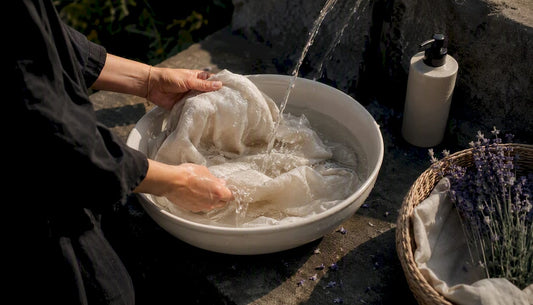
- Pull the garment out immediately and shake it out firmly, smoothing seams and side panels with your hands while the fabric is still wet.
- **Hang it straight away on a wide, sturdy hanger, not folded over a rail, so gravity does the flattening for you as it dries.
- Try a short, low-warm tumble with a damp face washer or an ice cube if you need a faster fix. The burst of steam this creates can loosen light creases in ten to fifteen minutes, though linen shrinks with repeated heat exposure, so keep tumble time short and infrequent.
- Use targeted touch-ups for visible areas only. A damp tea towel pressed briefly over a collar, or a hair straightener run carefully along cuffs (kept moving, never resting on the fabric), can sharpen the bits people actually notice without a full press.
Focusing effort on collars, cuffs, and front panels rather than the whole garment is a habit worth building; a Reader’s Digest Australia roundup and ABC News coverage on quitting the iron both lean on this same shortcut. Once shake-and-hang becomes routine, most linen pieces need barely any finishing at all.
Preventing wrinkles in the wash and while drying
The wash cycle you choose matters as much as anything you do afterwards. A gentle cycle with a lower spin speed, a mild detergent, and a machine that isn’t packed to capacity gives linen room to move instead of twisting against itself. Skip fabric softener, which coats the fibres and actually works against linen’s natural texture over time.
- Hang linen while it’s still damp rather than letting it sit crumpled in the machine or a laundry basket.
- Choose hangers with some width and structure, since a thin wire hanger distorts shoulders and creates its own set of creases.
- Avoid over-drying on the line; linen pulled off just before fully dry needs far less pressing.
- Fold carefully for storage, along natural seam lines, if you’re not hanging the piece.
- Reserve tumble drying for short refresh cycles rather than a full dry, and keep the heat setting low to reduce shrinkage.
Line-drying, done this way, remains the best long-term habit for reducing how often you reach for an iron in the first place.
What our editorial team knows about caring for linen
Edito’s own linen care guide goes deeper into washing temperatures and seasonal storage, and it’s worth a read for anyone building a linen-heavy wardrobe for warmer months. This guide draws on that same body of practical care knowledge, applied specifically to the wrinkle question readers ask most often.
A few things we’d add from working with European linen garments day to day:
- Designer linen often has a slightly heavier hand than fast-fashion linen, which means it drapes better but can also hold a crease longer once pressed in.
- Linen blended with viscose or cotton behaves differently under heat than 100% linen, so always check the composition label before setting your iron temperature.
- A relaxed, lived-in crease is part of linen’s character, not a flaw to eliminate entirely. Save the full iron press for pieces headed somewhere polished.
Why chasing a crease-free finish misses the point
The conventional advice on linen wrinkles treats every crease as a problem to solve, and that’s where most guides get it wrong. A hot iron with steam genuinely is the most reliable fix for a garment heading to an event or the office, and the CHOICE-backed technique of shaking, smoothing, and spraying before you press deserves more attention than it gets. But applying that full treatment to every linen piece, every time, is effort most people don’t need to spend.
The better instinct is triage. Save the iron and steam station for the pieces that matter that day. Let a good no-iron routine, hang while damp, shake it out, line-dry, handle the rest of your wardrobe. Linen was never meant to look pressed flat; its texture is part of what makes it worth wearing in the first place. Readers who accept that get less laundry stress and better-looking clothes, not despite the creases, but because they stopped fighting all of them.
— Mickael Martin
Linen pieces that reward a little steam and patience
Edito’s edit of European linen and linen-blend pieces is chosen with exactly this kind of care in mind: garments that respond well to a light steam and a few minutes of attention, rather than demanding a full press every time you wear them.

The Reflection Dress in Beige/Blue and Muriel Dress in Rose both fall softly enough that a hang and a shower-steam session usually does the job before an evening out. The Elorina Dress in Navy has a slightly heavier hand, so it holds a proper iron press beautifully if you want it crisp. For trousers, the Palerme Pants in Stone, Kai Pant in Moss, and Provencia Pants all take well to a crease pressed along the front seam, while the Millim Top in Rose and Talitha Top in Ocean are light enough for a quick steamer pass on a busy morning.
Always check the care label before reaching for the iron. Browse the full clothing collection to find your next low-fuss linen piece, or shop dresses and tops directly if you already know what you’re after.
Sources
- How to iron linen — Laurastar
- CHOICE ironing expert shares his tips for wrinkle-free clothes
- QUT Textiler knowledge base — linen
FAQ
How can I get wrinkles out of linen?
Use a warm to hot iron with steam and a light water spray for deep, set-in creases, or a garment steamer for lighter wrinkles, following the Laurastar technique. Shaking the garment out and smoothing it before you start makes the whole process faster.
Can you steam linen to get rid of wrinkles?
Yes, a garment steamer works well for light creasing and delicate shapes, but it’s generally less effective than an iron or steam station on heavy, deeply set wrinkles. A quick shower-steam session is a handy backup when travelling or short on time.
How do I get wrinkles out of linen without an iron?
Reduce your wash cycle’s spin speed, shake the garment out, and hang it immediately on a sturdy hanger while still damp. A short, low-warm tumble with a damp cloth or ice cube can also loosen light creases without ironing.
Why does linen wrinkle so easily?
Linen comes from flax fibres, which lack the elasticity of cotton, so the fabric creases readily whenever it’s folded, sat in, or packed tightly, as the QUT Textiler knowledge base explains. This is part of linen’s natural texture rather than a flaw in the weave.