
There is something particularly appealing about summer in Europe.
Long lunches that stretch into the afternoon. Walking through unfamiliar streets without knowing where you will end up. A swim before dinner. An outdoor table that stays busy long after the sun has gone down.
And then there are the clothes.
Light dresses. Relaxed shirts. Wide-leg trousers. Linen. Cotton. Sandals. Simple jewellery. A beautiful bag.
But a European summer wardrobe is not simply a collection of warm-weather essentials.
Europe does not have one summer climate, one culture or one way of dressing.
A Mediterranean summer in Greece is very different from a summer in Copenhagen. A Parisian wardrobe has different requirements from one designed for the south of France. And the clothes that work beautifully for a week in Italy may not be the same pieces you would choose for walking around Amsterdam or Stockholm.
What connects these different approaches is not a particular outfit.
It is a way of thinking about summer dressing.
Lightness. Ease. Versatility. Movement. Personality.
The best European summer wardrobes don't look as though they were assembled for a holiday.
They look as though they belong to the person wearing them.
What Is European Summer Style?
European summer style is difficult to define because Europe itself is so diverse.
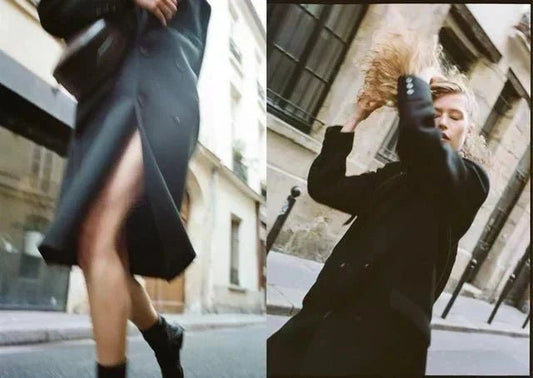
French women may combine relaxed tailoring with simple dresses and understated accessories.
Italian dressing can embrace stronger colour, sharper silhouettes and a more expressive approach to femininity.
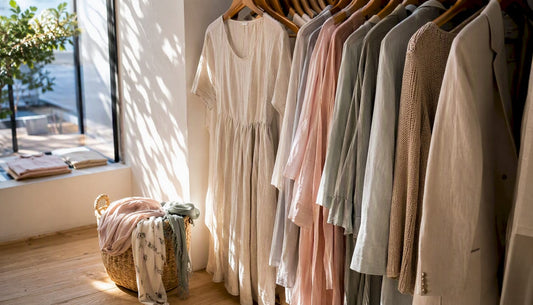
Greek and Mediterranean style naturally respond to intense sunlight, warm evenings and coastal living, with flowing shapes, natural fabrics and lighter colours.
Scandinavian summer dressing can be more design-led, often balancing relaxed silhouettes with interesting proportions, colour or minimalism.
There are many different interpretations.
And that is precisely why a European summer wardrobe is more interesting than a checklist.
Instead of asking:
What do Europeans wear in summer?
ask:
What can European fashion teach us about dressing well in warm weather?
The answer has much more to do with versatility and personal style than with following a particular aesthetic.
The First Rule: Dress for the Climate, Not the Photograph
This sounds obvious, but it is surprisingly easy to forget when building a summer wardrobe.
A beautiful European summer photograph might show a woman in a structured jacket, long trousers and closed shoes.
That does not necessarily mean those pieces are appropriate for a 35-degree afternoon in southern Italy.
Summer dressing should begin with the environment.
How hot will it be?
Will you be walking?
Will you spend time indoors with strong air conditioning?
Will evenings become cool?
Will you be travelling between different climates?
A successful European summer wardrobe needs to accommodate these changes.
That means thinking in terms of layers rather than individual outfits.
A lightweight shirt can protect you from the sun during the day and become an evening layer.
A fine knit can work on a cooler night.
A relaxed jacket can transform a simple dress.
A scarf can provide warmth on a plane and become an accessory once you arrive.
The best travel pieces rarely perform only one job.
Build the Wardrobe Around Natural, Breathable Fabrics
Fabric becomes particularly important during a European summer.
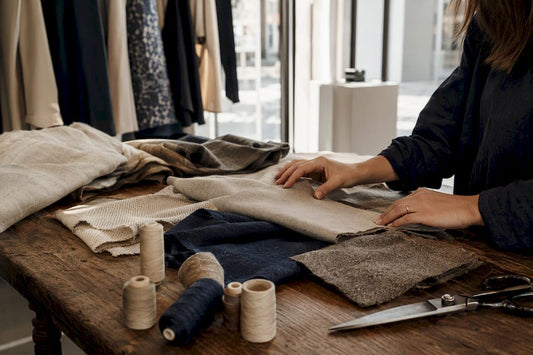
Linen is an obvious choice, but it isn't the only one.
Cotton, lightweight wool, silk, viscose and breathable blends can all play a role depending on the garment.
The objective is not simply to find the lightest fabric possible.
It is to find fabrics that feel good against the skin, allow movement and remain comfortable as temperatures rise.
Linen
Linen is synonymous with summer for good reason.
It is breathable, lightweight and develops character as it is worn.
And importantly, linen doesn't need to look perfectly pressed.
Its natural texture is part of the appeal.
Cotton
A good cotton shirt or dress can become one of the hardest-working pieces in a summer wardrobe.
Cotton works across casual and more polished dressing, and can be layered easily.
Silk
Silk can bring a sense of refinement without requiring a heavy garment.
A silk blouse, camisole or dress can move easily from daytime to evening.
Lightweight Knitwear
Don't completely remove knitwear from a summer packing list.
A fine cotton or lightweight wool knit can be invaluable when evenings cool down or air-conditioned interiors become uncomfortable.
For Australian travellers, this is particularly useful because we often underestimate how much temperature can vary during European travel.

The European Summer Shirt
If there is one garment I would encourage you to pack more than once, it is the shirt.
A beautiful white shirt.
A striped shirt.
A relaxed linen shirt.
A printed blouse.
A lightweight oversized shirt.
The reason is simple: a shirt can change roles.
Wear it buttoned with trousers.
Open over a singlet.
Tied loosely over a dress.
Thrown over swimwear.
Layered beneath a jacket.
Worn with shorts.
The shirt becomes one of the foundations of a versatile European summer wardrobe because it can move between different situations without looking as though it is trying too hard.

Summer Dresses: Keep Them Versatile
Summer dresses are easy to overpack.
They are beautiful, light and seemingly effortless to wear, which makes it tempting to pack one for every occasion.
But a better approach is to choose dresses that can change character.
A simple linen dress can work during the day with sandals and a woven bag.
Add jewellery and a more refined shoe for dinner.
Layer a shirt over it.
Wear a jacket on top.
Change the bag.
Change the shoes.
The dress becomes a different outfit without becoming a different garment.
When packing for Europe, look for summer dresses that can work across several settings rather than pieces that only make sense for one photograph or one restaurant.

Wide-Leg Trousers and Relaxed Tailoring
One of the most useful developments in contemporary European fashion is the move towards relaxed tailoring.
Trousers don't need to be restrictive to look sophisticated.
A wide-leg linen trouser can feel elegant while remaining practical in warm weather.
A fluid trouser can work with a fitted tank, oversized shirt or structured jacket.
A lightweight tailored trouser can take you from sightseeing to dinner without requiring an outfit change.
This is where proportion becomes important.
If the trouser is wide and fluid, consider a more compact top.
If the shirt is oversized, a straighter or more fitted bottom can create balance.
Or deliberately exaggerate the volume on both sides if that is what feels right for you.
There is no formula.
There is only the relationship between the pieces.

The Summer Jacket Still Matters
A jacket may seem unnecessary when packing for summer.
It isn't.
One lightweight jacket can completely change the possibilities within a travel wardrobe.
A relaxed blazer.
A linen jacket.
A cropped cotton jacket.
A lightweight overshirt.
A softly structured jacket.
Choose one that works with your dresses, trousers and denim.
It can also become invaluable on flights, cooler evenings and unexpectedly cold interiors.
More importantly, a jacket gives a summer wardrobe structure.
It can turn a very simple combination into something that feels considered.

French Summer Style: Ease Over Effort
French summer style is often associated with a particular kind of simplicity.
A beautiful blouse with denim.
A simple dress with flat sandals.
Relaxed tailoring with a minimal top.
Natural fabrics and understated accessories.
But the important idea isn't the individual outfit.
It is the attitude behind it.
French style tends to work best when the clothes don't appear to dominate the woman wearing them.
This is where the French concept of allure becomes relevant.
At Edito, we define allure as the image you convey through what you wear and how you wear it—but also through your attitude, bearing and posture.
The objective isn't to recreate a Parisian uniform.
It is to create a summer wardrobe that feels natural to you.

Scandinavian Summer Style: Contrast and Design
Scandinavian summer dressing offers a different perspective.
Rather than relying exclusively on classic wardrobe pieces, Scandinavian designers often experiment more boldly with silhouette, proportion and structure.
An oversized shirt might be paired with an unexpected skirt.
A minimalist outfit might be given interest through an architectural silhouette.
A simple palette can be made distinctive through shape.
This design-driven approach is one of the reasons Scandinavian fashion can feel so different from French style.
And it is particularly useful inspiration when building a European summer wardrobe because it reminds us that simplicity does not have to mean conventionality.
You can keep the outfit simple while making the silhouette interesting.
Mediterranean Summer Style: Lightness and Movement
Move further south and the relationship between clothing and climate becomes even more obvious.
Mediterranean dressing naturally responds to heat, sunlight and outdoor living.
Flowing dresses.
Loose shirts.
Natural fabrics.
Open sandals.
Sun hats.
Relaxed silhouettes.
But Mediterranean style is not simply about wearing loose clothing.
It is also about movement.
Clothes need to move with the body.
They need to breathe.
They need to work from a morning spent walking through a town to a long lunch overlooking the sea.
This is where fluid silhouettes become so useful.
A beautiful dress or wide-leg trouser doesn't need much styling when the garment itself creates movement.

The Shoes: Walkability Is Part of Style
European summer holidays often involve far more walking than we anticipate.
Beautiful streets.
Train stations.
Museums.
Markets.
Old towns.
Long lunches.
Unexpected detours.
So shoes need to be considered as part of the wardrobe, not added at the last minute.
A useful European summer shoe wardrobe might include:
- A comfortable flat sandal
- A versatile sneaker
- A loafer or refined flat
- A slightly more elevated evening option, if your itinerary requires one
You don't necessarily need four pairs.
You need shoes that work with the clothes you have packed and with the way you actually travel.
There is little point creating a beautiful European summer outfit that prevents you from walking through the city.
The European Summer Bag
A summer bag needs to perform several roles.
It needs to hold what you need during the day without becoming cumbersome.
A crossbody bag is useful for walking.
A larger woven or canvas bag can work for markets, beaches and casual days.
A smaller bag can change the character of an evening outfit.
Again, versatility matters.
Rather than packing a different bag for every outfit, choose pieces that work across several situations.
A beautiful bag can also provide one of the easiest ways to introduce personality into a relatively restrained summer wardrobe.
Accessories: Less, But More Personal
Accessories are where a summer wardrobe can become distinctly yours.
A pair of sunglasses.
Gold or silver jewellery.
A scarf.
A belt.
A woven bag.
A beautiful watch.
A hat.
You don't need all of them.
In fact, you probably shouldn't wear all of them together.
Choose a few things that feel personal.
Perhaps the jewellery you always wear.
A scarf collected on a previous trip.
A bag you've owned for years.
Something handmade.
These details create a wardrobe with memory.
And memory is one of the things that stops a travel wardrobe from looking like it came entirely from one shopping trip.

What to Pack for a European Summer
If you are travelling through Europe during summer, think in terms of outfit combinations rather than individual outfits.
For example, a compact wardrobe might include:
- 2–3 pairs of trousers or denim
- 2–3 summer dresses
- 3–4 shirts or blouses
- 2 lightweight tops
- 1–2 lightweight jackets or overshirts
- 1–2 lightweight knits
- 2–3 pairs of shoes
- 1 daytime bag
- 1 smaller evening bag
- A small selection of jewellery and accessories
The exact numbers are less important than the relationships between the pieces.
Ideally, most tops should work with most bottoms.
Most dresses should work with at least two pairs of shoes.
The jackets should work with several outfits.
The accessories should change the feeling without requiring a completely different wardrobe.
That is how a relatively small selection of clothes can create a surprisingly large number of combinations.
What to Wear in Europe in Summer: Day to Evening
One of the easiest ways to overpack is to separate your wardrobe into "day clothes" and "evening clothes."
Instead, look for pieces that can transition.
For sightseeing
Think breathable fabrics, comfortable shoes, relaxed trousers, simple tops and a lightweight layer.
For lunch
Add a more considered blouse, dress or jacket and change the accessories.
For dinner
Keep the base simple and change the shoes, jewellery or bag.
For an evening outdoors
Add a lightweight jacket, shirt or knit depending on the climate.
The objective is not to create four separate looks.
It is to create one wardrobe that can adapt throughout the day.
Don't Forget the Climate Can Change Quickly
European summer weather isn't uniformly hot.
Heatwaves can make southern Europe intensely warm, while northern cities can experience much cooler days. Even within one trip, temperatures can change dramatically.
That is another reason layering matters.
A lightweight shirt takes almost no room in a suitcase.
A fine knit can save an evening.
A jacket can make a simple outfit work when temperatures fall.
And a scarf can be surprisingly useful on trains and planes.
The most successful European summer wardrobe is adaptable.
How to Make a European Summer Wardrobe Feel Personal
This is where we return to the principle that sits behind much of French and European fashion.
Don't dress for Europe. Dress yourself in Europe.
There is a difference.
You don't need to become a fictional European woman for two weeks.
You don't need to wear linen from head to toe.
You don't need to buy a new wardrobe before you travel.
Take the pieces that already feel like you and introduce a few elements that make the wardrobe more interesting.
A beautiful French blouse.
A Scandinavian jacket with an unusual silhouette.
A Mediterranean-inspired printed dress.
A woven bag.
A pair of comfortable leather sandals.
Then combine them with the clothes you already own.
The result will be much more personal than a head-to-toe interpretation of somebody else's idea of European style.
The Best European Summer Wardrobe Is Not the Most "European"
This may sound contradictory, but it is worth remembering.
The purpose of European fashion is not to make you look European.
It is to give you ideas.
French fashion can teach us about ease and proportion.
Scandinavian fashion can teach us about design and contrast.
Mediterranean dressing can remind us to embrace lightness and movement.
And European fashion more broadly can show us how different cultures develop their own responses to clothing, climate, craft and everyday life.
Take what resonates.
Leave what doesn't.
Your wardrobe should still belong to you.
✦ Notes from Edito
European Fashion Should Give You More Possibilities
"Your wardrobe, what you wear, is supposed to tell others about you and your individuality.
Don't embrace a style simply because you follow fashion trends. Don't be another number. Be yourself. Stand out from the crowd.
European fashion should give you inspiration—not a uniform."
— Mickael Martin, Co-founder of Edito
European Summer Style, the Edito Way
At Edito, we are drawn to European designers because they offer different perspectives on how women can dress.
French designers bring their own interpretations of proportion, femininity, tailoring and ease.
Scandinavian designers often approach silhouette and design from a different perspective.
Other European designers introduce colour, craft, print, texture and cultural influences from their own regions.
We don't believe you need to choose one aesthetic.
A European wardrobe can be eclectic.
A Sœur shirt can work with Australian denim.
A Sessùn blouse can be worn with relaxed linen trousers.
A Vanessa Bruno dress can become an easy summer foundation.
A Second Female piece can introduce Scandinavian structure or contrast.
A Devotion TWINS dress can bring a more relaxed Mediterranean sensibility.
The interesting part is what happens when these influences meet your wardrobe.
Building a European Summer Wardrobe That Lasts Beyond Summer
The best summer pieces don't necessarily disappear when the season ends.
A linen shirt can become a layering piece.
A dress can work beneath knitwear.
Wide-leg trousers can transition into cooler weather with a jacket.
A lightweight blouse can sit beneath tailoring.
Sandals may eventually give way to boots, but the clothes themselves can continue working.
This is one reason we favour versatile pieces at Edito.
Clothing becomes more valuable when it has a life beyond one season, one holiday or one trend.
A good wardrobe should evolve rather than reset every few months.
The Real Secret to European Summer Style
There is no perfect European summer wardrobe.
There is no definitive packing list.
There is no single European aesthetic to copy.
And there is certainly no requirement to dress like a French woman, an Italian woman or a Scandinavian woman simply because you are travelling through Europe.
The more interesting approach is to understand the principles.
Choose breathable fabrics.
Think about movement.
Build around versatile pieces.
Pay attention to proportion.
Allow for changing temperatures.
Choose shoes you can actually walk in.
Bring a little personality.
And leave room for spontaneity.
Because the best European summer wardrobes aren't the ones that look most carefully planned.
They are the ones that make it easier to forget about your clothes and enjoy where you are.
That is the real luxury of a well-considered wardrobe: having enough possibilities to stop thinking about what to wear.
Discover European Fashion at Edito
At Edito, we curate European fashion for women who want something beyond the predictable.
Our collections bring together independent French and European designers whose clothing offers different perspectives on style, craftsmanship, colour, proportion and everyday dressing.
For summer, look for the pieces that will give your wardrobe the most possibilities: a beautiful shirt, an easy dress, relaxed trousers, lightweight tailoring, breathable layers and accessories with personality.
Then make them yours.
Because European fashion isn't about becoming someone else.
It's about discovering new ways to express yourself.
Explore European Fashion at Edito →
If you want to explore the thinking behind the different European design traditions, continue with:
10 European Fashion Brands Australians Should Know →
French Fashion vs Scandinavian Fashion: Understanding Two Distinct European Styles →
Frequently Asked Questions
What should I wear in Europe in summer?
Choose lightweight, breathable clothing that can be combined easily throughout your trip. Useful pieces include dresses, relaxed trousers, shirts, lightweight tops, a versatile jacket, comfortable walking shoes and a few personal accessories. The best wardrobe depends on your destination, itinerary and climate.
What is a European summer wardrobe?
A European summer wardrobe is a versatile collection of warm-weather clothing designed around comfort, movement and adaptability. It can draw inspiration from French, Mediterranean, Scandinavian and other European styles without following one specific aesthetic.
What fabrics are best for a European summer wardrobe?
Linen, cotton, silk, lightweight wool and breathable blends can all work well in summer. The best choice depends on the climate and garment. Natural and lightweight fabrics are particularly useful for warm weather because they can feel comfortable and allow movement.
How many clothes should I pack for a European summer?
There is no universal number, but a compact wardrobe of versatile pieces can create many outfits. Around two or three bottoms, two or three dresses, several shirts or tops, one or two lightweight layers, two or three pairs of shoes and a small selection of accessories can provide a useful starting point.
What shoes should I pack for Europe in summer?
Prioritise comfortable shoes because European travel often involves substantial walking. A versatile sandal, sneaker, loafer or refined flat can form the foundation, with an additional evening option if needed. Choose shoes that work with several outfits rather than packing a different pair for every look.
How can I dress stylishly in Europe without overpacking?
Build your wardrobe around pieces that work in several combinations. A shirt that can be worn open or closed, a dress that works with different shoes, trousers that pair with several tops and a lightweight jacket that works across multiple outfits will give you considerably more options without filling your suitcase.
How is French summer style different from Scandinavian summer style?
French summer style is often associated with ease, understated elegance, versatile classics and an emphasis on how clothing is worn. Scandinavian fashion can take a more design-led approach to silhouette, structure, proportion and contrast. Both offer useful inspiration, but neither is limited to a single aesthetic.
Can I create a European summer wardrobe in Australia?
Absolutely. The most useful approach is to adapt European design principles to the Australian climate and lifestyle. Choose breathable fabrics, lightweight layers, versatile silhouettes and pieces that suit your environment rather than trying to recreate a European wardrobe literally.