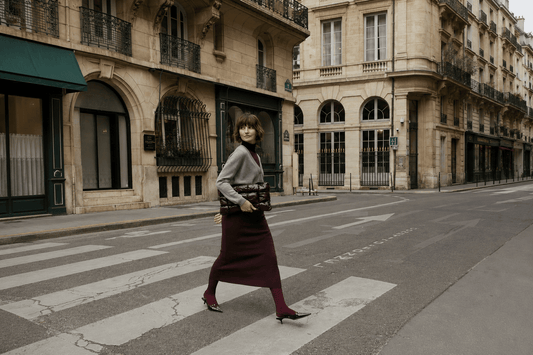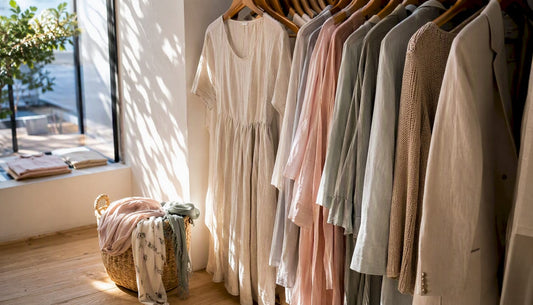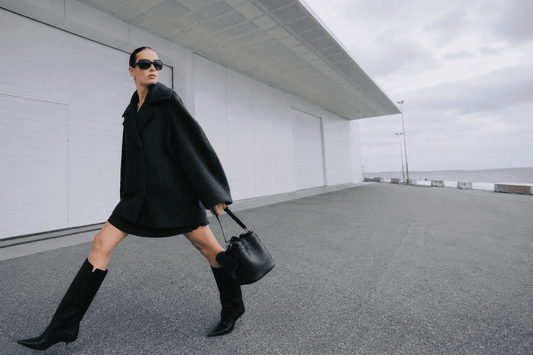

European fashion has inspired women around the world for generations. Yet it is often spoken about as though it were one unified style. In reality, each region has developed its own design philosophy, shaped by culture, climate, history and the way people live.
Nowhere is this more evident than when comparing French and Scandinavian fashion.
Both are celebrated for timeless design, beautifully made clothing and wardrobes built to last. Yet they arrive at these ideals in very different ways. French fashion is often associated with *allure*—the effortless confidence that comes from dressing with intention. Scandinavian fashion is admired for its intelligent simplicity, functionality and contemporary design.
At Edito, we've always believed these philosophies complement rather than compete with one another. Our collections bring together contemporary French designers such as Sœur, Sessùn, Vanessa Bruno, Laurence Bras and Antik Batik, alongside Scandinavian labels Second Female and DAY Birger et Mikkelsen. Together, they offer Australian women thoughtfully designed clothing that is modern, individual and made to be worn for years—not seasons.
Rather than asking which style is better, this guide explores why they evolved differently, what makes each philosophy unique, and how combining both can help you build a wardrobe that feels entirely your own.
While preparing this guide, we revisited perspectives from French and Scandinavian fashion publications, interviews with designers, and industry voices from across Europe. What stood out wasn't how different these cultures are, but how consistently they define fashion as an expression of identity, craftsmanship and thoughtful design rather than simply following trends.

In this guide:
• What Defines French Fashion?
• What Defines Scandinavian Fashion?
• Why They Evolved Differently
• Key Differences
• Australian Perspective
• Finding Your Style
• FAQs
What Defines French Fashion?
Outside France, French fashion is often reduced to the phrase *effortless chic*. While there is some truth in that description, it only scratches the surface.
French publications rarely define style through individual garments. Instead, they speak about "allure", "élégance" and "savoir-faire"—concepts that extend well beyond clothing.
Perhaps the most difficult word to translate is "allure".
It isn't simply about wearing beautiful clothes. It is about the image you project through what you wear and, equally importantly, how you wear it. Confidence, attitude, posture and ease all contribute to "allure". Two people can wear the same outfit, yet create completely different impressions.
This philosophy helps explain why French wardrobes often appear timeless rather than trend-driven. Clothing is chosen carefully, worn repeatedly and appreciated for its quality, proportion and craftsmanship. The objective isn't to impress others—it's to express yourself authentically.
From the European Fashion Press
French fashion publications such as Vogue France, ELLE France and Madame Figaro frequently describe personal style as something that develops over time. Rather than encouraging women to reinvent their wardrobes every season, they often celebrate dressing with confidence, investing in quality pieces and cultivating an individual sense of style.

Contemporary French designers interpret this philosophy in different ways.
Sœur is known for relaxed tailoring and understated sophistication. Sessùn combines artisanal craftsmanship with contemporary femininity. Vanessa Bruno creates collections that balance Parisian elegance with everyday wearability, while Laurence Bras and Antik Batik each bring their own distinctive vision of modern French style.
What unites them isn't a particular silhouette or colour palette.
It's an appreciation for thoughtful design, individuality and beautifully made clothing.
From the European Fashion Press
Interestingly, French editors rarely define allure through clothing alone. Publications such as Madame Figaro and ELLE France often describe it as a combination of confidence, attitude and presence—qualities that cannot simply be bought. That understanding closely reflects our own experience after decades working with French fashion.
Notes from Edito: Understanding "Allure"
"People often ask me how to translate the French word "allure" into English, but there really isn't a perfect equivalent. To me, allure is the image you convey to others through what you wear and how you wear those pieces together. But it is not just about style. It is also about attitude, bearing and posture. Two people can wear the same outfit, yet the person with true allure will always leave the stronger impression."
— Mickael Martin, Co-founder of Edito
What Defines Scandinavian Fashion?

If French fashion begins with personal expression, Scandinavian fashion begins with everyday life.
Across Denmark and Sweden, clothing has traditionally been designed to support changing weather, active lifestyles and practical living. Function has never been viewed as the opposite of beauty. Instead, the two are expected to work together.
This philosophy extends far beyond fashion.
Scandinavia has earned an international reputation for architecture, furniture and industrial design, where simplicity, functionality and longevity are celebrated. The same principles naturally influence clothing.
From the European Fashion Press
Publications including Scandinavian MIND and coverage surrounding Copenhagen Fashion Week regularly highlight how Scandinavian fashion draws inspiration from architecture, industrial design and everyday living. Clothing is often viewed as another form of considered design—expected to balance beauty, comfort and practicality in equal measure.
Rather than focusing on decoration, Scandinavian designers often prioritise versatility, comfort and intelligent construction. Relaxed tailoring, clean lines and adaptable layering allow garments to move effortlessly between work, travel and leisure.
Brands such as Second Female and DAY Birger et Mikkelsen embody this approach, creating collections that feel contemporary, wearable and quietly sophisticated.
Why They Evolved Differently
Fashion never develops in isolation.
It reflects the culture, environment and values of the people who create it.
France has spent centuries cultivating a reputation for art, craftsmanship and creativity. Paris became an international centre for fashion, attracting designers, artists and artisans from across Europe and beyond. This exchange of ideas, techniques and craftsmanship helped shape a fashion culture that celebrates refinement and individuality.
From the European Fashion Press
Fashion historians and publications such as The Business of Fashion frequently describe Paris not only as a fashion capital, but as a meeting place for designers, artisans and creative talent from around the world. This continual exchange of ideas has played an important role in shaping the diversity and creativity that continues to characterise French fashion today.
Scandinavia followed a different path.
Rather than becoming synonymous with haute couture, Denmark and Sweden became internationally recognised for exceptional design. Architecture, furniture, interiors and industrial design all embraced simplicity, functionality and human-centred thinking. Fashion naturally evolved within this same design culture.
These different histories explain why French designers often focus on expression and craftsmanship, while Scandinavian designers frequently emphasise versatility and intelligent design.
Neither philosophy is superior.
They simply answer different questions.
French fashion asks:
"How can clothing express personality with elegance?"
Scandinavian fashion asks:
"How can clothing make everyday life more beautiful and practical?"


The Key Differences Between French and Scandinavian Fashion
| Feature | French Fashion | Scandinavian Fashion |
|---|---|---|
| Philosophy | Individuality & Allure | Function & Simplicity |
| Silhouettes | Tailored & Feminine | Relaxed & Contemporary |
| Colours | Rich neutrals & seasonal accents | Soft neutrals & earthy tones |
| Fabrics | Linen, silk, cotton, wool | Wool, cotton, organic fibres |
| Styling | Elegant & expressive | Practical & versatile |
| Focus | Personality | Everyday living |
Once you understand these philosophies, the differences become much easier to recognise.
From the European Fashion Press
Although these two traditions are often compared, European fashion commentators increasingly view them as complementary rather than competing philosophies. One celebrates expression through craftsmanship, the other thoughtful design through functionality. Together, they represent two of Europe's most influential approaches to contemporary dressing.


Silhouettes
French fashion often favours softly tailored silhouettes that flatter without appearing overly structured. Well-cut blazers, elegant dresses and beautifully proportioned trousers create a polished appearance that never feels forced.
Scandinavian collections generally adopt a more relaxed approach. Oversized knitwear, fluid tailoring and generous outerwear prioritise comfort, movement and versatility while maintaining a refined aesthetic.
Fabrics
Both traditions place enormous importance on quality.
French designers frequently showcase linen, cotton, silk and beautifully woven wool, appreciating their texture, movement and craftsmanship.
Scandinavian designers also favour natural fibres, selecting them for durability, warmth and everyday performance. Increasingly, Nordic brands are recognised for their considered approach to responsible materials and production.
Colour Palettes
Despite popular stereotypes, neither philosophy relies exclusively on monochrome.
French wardrobes introduce colour thoughtfully through rich neutrals, navy, cream, olive and seasonal accents.
Scandinavian collections often build around soft greys, oat, camel, charcoal and earthy tones, creating wardrobes that layer effortlessly and remain remarkably versatile.
Styling Philosophy
French style often appears effortless because every detail has been considered until it feels instinctive.
Scandinavian style feels effortless because garments have been designed to simplify everyday dressing.
Different philosophies.
Equally timeless results.
Notes from Edito: Beyond the Clichés
"One of the biggest misconceptions Australians have about French fashion is that it can be summed up by a Breton striped top, a pair of jeans and a tailored blazer. French fashion is far more diverse than that. What connects French designers isn't a particular look—it's the freedom to express individuality through beautifully designed clothing."
— Mickael Martin, Co-founder of Edito

The Australian Perspective
After more than two decades helping Australian women build their wardrobes, we've noticed an interesting shift.
From the European Fashion Press
This growing appreciation for both styles reflects a broader shift within the fashion industry. International editors and buyers increasingly speak about building wardrobes around longevity, versatility and personal style rather than seasonal trends—an approach that aligns closely with both French and Scandinavian design philosophies.
For many years, French fashion was the first introduction Australians had to European designer fashion. Its global reputation naturally drew women towards Parisian brands.
More recently, Scandinavian fashion has grown in popularity, particularly among younger women who appreciate its relaxed tailoring, versatility and contemporary design.
Yet very few women choose one philosophy over the other.
Instead, they instinctively combine both.
A romantic French blouse pairs beautifully with relaxed Scandinavian tailoring.
A Nordic knit softens a structured Parisian blazer.
A timeless French handbag complements minimalist Scandinavian separates.
The most versatile wardrobes are rarely built around a single philosophy. They reflect the personality, lifestyle and confidence of the woman wearing them.
Notes from Edito: Building Your First European Wardrobe
"If someone walked into Edito asking how to build their first European wardrobe, I wouldn't begin by recommending three garments. I'd begin by encouraging them to keep an open mind. Your wardrobe should tell people something about you. It should reflect your personality and individuality—not simply follow trends. The right pieces will always depend on your lifestyle, body shape and personal taste. Fashion isn't about becoming someone else. It's about expressing who you already are."
— Mickael Martin, Co-founder of Edito

Finding Your Own European Style
Perhaps that's why French and Scandinavian fashion continue to resonate around the world.
Both encourage buying fewer, better pieces.
Both value quality over quantity.
Both celebrate clothing that remains relevant long after seasonal trends have passed.
The difference lies in how they arrive there.
French fashion expresses individuality through craftsmanship, proportion and "allure".
Scandinavian fashion pursues thoughtful design through functionality, versatility and simplicity.
Together, they create wardrobes that feel elegant without being formal, relaxed without appearing casual and timeless without feeling predictable.
From the European Fashion Press
Across publications ranging from Vogue France to The Business of Fashion, one idea appears repeatedly: the most enduring wardrobes are those built around quality, longevity and authenticity. While trends inevitably evolve, personal style remains remarkably consistent.


Notes from Edito: Why European Fashion Continues to Inspire Us
"European fashion is special because it is built on heritage—a blend of cultures, craftsmanship and savoir-faire that has evolved over centuries. Heritage isn't about looking backwards. It's about preserving skills, techniques and creative traditions that continue to shape the clothing we wear today.
When you understand the story behind a beautifully made garment, it naturally becomes more meaningful. It isn't simply another piece in your wardrobe; it represents generations of knowledge, craftsmanship and thoughtful design.
Europe continues to play a defining role in the global fashion industry because fashion is woven into its culture. Designers, artisans, buyers and creatives from around the world continue to look towards Europe for inspiration, drawn by its unique combination of history, innovation and independent design. That's one of the reasons we're so passionate about curating European fashion at Edito."
— Mickael Martin, Co-founder of Edito
Explore European Designer Fashion at Edito
Whether you're inspired by the understated elegance of French fashion or the relaxed sophistication of Scandinavian design, discover carefully curated collections from some of Europe's most respected independent designers in Australia.
French Designers
Scandinavian Designers
Second Female
DAY Birger et Mikkelsen
Continue exploring our wider collection of European designer brands, including Vanessa Bruno, Laurence Bras, Antik Batik and many more, to discover clothing that celebrates individuality, craftsmanship and timeless design.
Why We Curate Both French and Scandinavian Designers
At Edito, we've never seen French and Scandinavian fashion as opposing styles. To us, they represent two complementary design philosophies that share many of the same values: quality, craftsmanship, thoughtful design and clothing made to be worn for years rather than seasons.
French designers often inspire us through their appreciation for individuality, elegance and "allure". Scandinavian designers bring a different perspective, one shaped by intelligent design, versatility and modern living. Neither approach is better than the other. Together, they create wardrobes that feel balanced, effortless and deeply personal.
As buyers, we don't select brands simply because they're French or Scandinavian. We choose designers whose collections have a genuine point of view—brands with strong creative identities, beautiful craftsmanship and a commitment to producing clothing that women will continue to wear long after seasonal trends have passed.
Ultimately, that's what European fashion means to us. It's not about dressing like a Parisian or embracing Scandinavian minimalism. It's about discovering pieces that reflect your personality, suit your lifestyle and help you express who you are with confidence. That's why our collections bring together designers from across Europe—to help every woman build a wardrobe that feels uniquely her own.
That's why our collections bring both worlds together—to help every Australian woman build a wardrobe that reflects who they are—not who they're expected to be.
Frequently Asked Questions
Is French fashion different from Scandinavian fashion?
Yes. While both value timeless design and quality craftsmanship, French fashion is often centred around individuality, elegance and allure—the confidence with which clothing is worn. Scandinavian fashion places greater emphasis on functionality, versatility and intelligent design, creating wardrobes that are practical, contemporary and easy to wear.
Can you combine French and Scandinavian fashion?
Absolutely. In fact, many women naturally combine both styles. A romantic French blouse pairs beautifully with relaxed Scandinavian tailoring, while a minimalist Nordic knit can balance structured Parisian pieces. Mixing both philosophies creates a wardrobe that feels elegant, versatile and uniquely personal.
Is Scandinavian fashion always minimalist?
Not at all. Although Scandinavian fashion is often associated with minimalism, many contemporary Nordic designers experiment with bold silhouettes, interesting proportions and unexpected colour combinations. The common thread is thoughtful design rather than minimalism itself.
What makes French fashion timeless?
French fashion prioritises beautifully made clothing, thoughtful proportions and personal style over short-lived trends. Rather than building wardrobes around seasonal fashions, many French women invest in versatile, well-crafted pieces that can be worn for years.
Which European designers does Edito stock?
Edito carefully curates independent European designers that reflect different design philosophies. Our French collections include brands such as Sœur, Sessùn, Vanessa Bruno, Laurence Bras and Antik Batik, while our Scandinavian collections feature Second Female and DAY Birger et Mikkelsen.
Why is European fashion so influential?
Europe has developed a rich fashion heritage over centuries, combining craftsmanship, creativity and cultural diversity. Many of today's most respected designers continue to draw inspiration from these traditions while creating contemporary collections that balance innovation with timeless design.