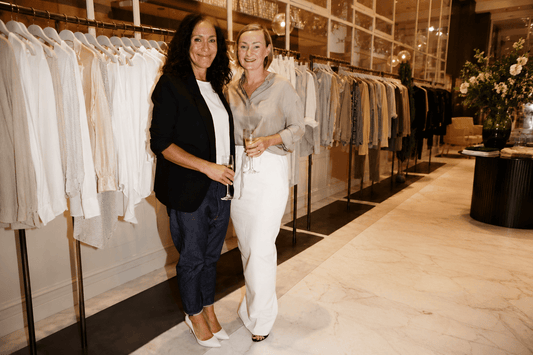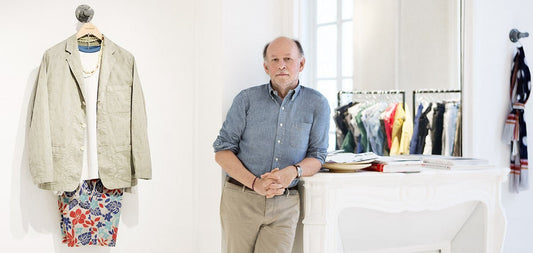

Smart casual for women is a polished-but-relaxed aesthetic that pairs one structured piece with one easy piece, producing a look that reads intentional without feeling overdressed. It is the dress code that appears most often on invitations, yet causes the most confusion — sitting comfortably between the ease of everyday casual and the formality of business attire. The good news: once you understand the formula, it becomes the most versatile register in your wardrobe.
Quick checklist — test any outfit before you leave:
- At least one structured piece (blazer, tailored trouser, or polished skirt)
- Refined fabrics (no jersey athleisure, no heavy distressing)
- Clean, intentional footwear (loafers, ankle boots, ballet flats)
- A hem or silhouette that reads considered, not accidental
- At least one finishing touch: a structured bag, simple jewelry, or a belt
Seven ready-to-wear formulas:
- Work social: Dark slim trousers + silk blouse + loafers
- Dinner: Midi wrap dress + low-heel sandals + delicate gold necklace
- Brunch: Dark straight-leg jeans + fine knit + white sneakers + structured tote
- Networking: Tailored blazer + white tee + wide-leg trousers + ankle boots
- Casual date: Shirt dress + mules + minimal gold earrings
- Weekend polished: Chinos + linen blouse + ballet flats + crossbody bag
- Travel-ready: Tailored jogger (in ponte or crepe) + fitted turtleneck + clean leather sneakers + trench coat
According to the M&S style guide, the practical rule is pairing one structured piece with one relaxed piece — a principle that scales effortlessly across body types, seasons, and occasions.
Key Takeaways
Smart casual for women is built on one principle that scales across every occasion: pair one structured piece with one relaxed piece, keep the fabrics refined, and let the shoes and one accessory carry the finishing work.
| Point | Details |
|---|---|
| The core formula | One structured piece (blazer, tailored trouser, polished skirt) paired with one relaxed piece (tee, denim, fine knit). |
| Fit over price | Simple tailoring — hemming, sleeve adjustment, waist nip — makes a mid-price garment read more polished than an expensive ill-fitting one. |
| Jeans rule | Dark or mid-wash denim with no rips qualifies as smart casual when paired with at least one elevated piece such as a silk blouse or blazer. |
| Shoe rule | Loafers, ballet flats, ankle boots, and clean leather sneakers work; athletic trainers and flip-flops do not. |
| Edito’s role | Edito carries curated European pieces from SOEUR, Hartford, and Vanessa Bruno that map directly to smart-casual formulas, with one-business-day dispatch and easy returns. |
Table of Contents
- How does smart casual differ from business casual, cocktail, and everyday casual?
- What are the core styling principles behind smart casual?
- Which tops work best for a smart-casual look?
- Which bottoms are smart-casual appropriate, and can you wear jeans?
- What dresses and jumpsuits hit the smart-casual sweet spot?
- How do layering pieces change the formality of an outfit?
- Which shoes read smart casual, and what should you avoid?
- Which accessories add polish without overdoing it?
- How should you approach color, print, and texture for smart casual?
- Why does fit matter more than price for smart casual?
- What are the best outfit formulas for specific occasions?
- What should you avoid wearing for smart casual?
- Edito’s curated picks for building a smart-casual wardrobe
- A stylist’s perspective on what actually makes smart casual work
- Why Edito is worth exploring for your smart-casual wardrobe
- Sources
How does smart casual differ from business casual, cocktail, and everyday casual?
Smart casual sits at the midpoint of the formality spectrum, which is precisely what makes it useful and, occasionally, perplexing. Understanding where it lands relative to neighboring dress codes prevents the two most common errors: arriving underdressed (in weekend-casual clothes) or overdressed (in full cocktail attire).
| Dress code | Typical garments | Shoe formality | Acceptable fabrics |
|---|---|---|---|
| Casual | Jeans, t-shirts, sneakers | Athletic trainers, sandals | Jersey, denim, cotton basics |
| Smart casual | Dark jeans or tailored trousers, blouses, blazers, midi dresses | Loafers, ankle boots, ballet flats, low heels | Silk, linen, fine knit, structured cotton |
| Business casual | Tailored trousers, button-down shirts, blazers, sheath dresses | Heels, loafers, pointed flats | Wool, crepe, poplin, ponte |
| Cocktail | Midi or knee-length dresses, dressy separates | Heeled sandals, pumps | Satin, lace, velvet, chiffon |
Scenario A: You are invited to a colleague’s leaving drinks at a wine bar on a Friday evening. Smart casual is exactly right. A blazer over dark jeans and a silk blouse, finished with loafers, hits the mark. Business casual would feel stiff; casual would feel careless.
Scenario B: A friend’s engagement dinner at a fine-dining restaurant specifies “cocktail.” Smart casual falls short here. A tailored midi dress in satin or a dressy two-piece is the appropriate call, not a blazer-and-jeans combination, however polished.
The distinction is not just about garments — it is about the intention each look communicates. Smart casual says “I made an effort, and I am comfortable.” Cocktail says “I dressed for the occasion.” Knowing which message the event calls for is half the work.
What are the core styling principles behind smart casual?
The four principles that govern every smart-casual decision are balance, fit, polish, and comfort. Each one informs the others, and neglecting any single one is usually what makes an outfit miss the brief.
Balance means pairing a relaxed piece with a structured one. Wide-leg trousers with a fitted knit. A blazer over a simple tee. The contrast is what creates the visual interest and the appropriate formality level.
Fit is the highest-return investment in any wardrobe. A well-fitting mid-price blouse reads more polished than an expensive one that pulls across the shoulders or billows at the waist. Smart casual, in particular, relies on fit because the garments are relatively simple — there is no embellishment or formality to carry the look.
Polish comes from fabric and finish. Linen, silk, fine merino, structured cotton, and crepe all read elevated. Pilled jersey, sheer fabric worn without lining, and heavily distressed denim undermine polish regardless of how the rest of the outfit is assembled.
Comfort is not a concession — it is a design principle. An outfit you are visibly uncomfortable in reads as poorly assembled, even if every individual piece is correct. Choose fabrics that move with you and silhouettes that allow ease of movement.
On fabrics specifically: silk and silk-look fabrics, fine-gauge knits, linen (pressed or structured), ponte, crepe, and quality cotton poplin all sit firmly in smart-casual territory. Avoid heavy jersey, neoprene, and anything that reads activewear.
Pro Tip: To make a plain white tee feel purposeful rather than underdressed, tuck it partially into your waistband (the “French tuck”), choose a tee in a substantial cotton or modal weight, and pair it with one elevated piece — a blazer, tailored trouser, or a fine-leather loafer. The tuck signals intention.
Which tops work best for a smart-casual look?
The safest top categories for smart casual are silk or satin blouses, fine-knit sweaters, structured button-down shirts, and quality cotton or modal tees. Each can read polished when the fabric is right and the fit is considered.
Dos:
- Choose blouses in silk, crepe, or a quality satin-finish fabric for evening or dinner occasions
- Opt for fine-gauge knits (merino, cashmere-blend) in neutral or tonal colors for a relaxed-but-refined effect
- Select tees in heavyweight cotton or modal — they hold their shape and drape cleanly
- Use a half-tuck or full tuck to define the waist and signal intention
- Layer a fitted turtleneck under a blazer for a polished, minimal look in cooler months
Don’ts:
- Avoid oversized graphic tees — the graphic and the volume both read too casual
- Skip sheer tops worn without a camisole or lining underneath
- Avoid crop tops that expose the midriff in most smart-casual contexts (a slight crop worn with high-waisted trousers is the exception)
- Steer clear of heavily embellished or sequined tops for daytime smart casual — they tip into cocktail territory
Necklines matter more than most guides acknowledge. A V-neck or scoop neck in a quality fabric reads relaxed-elegant. A crew neck in a fine knit reads clean and modern. A deep plunge or a heavily ruffled neckline shifts the register toward evening or cocktail, which may not suit the occasion.
When in doubt, swap the tee for a blouse. It is the single easiest upgrade in the smart-casual wardrobe, and it works across every occasion on the formula list above.
Which bottoms are smart-casual appropriate, and can you wear jeans?
Tailored trousers, dark or mid-wash denim, chinos, and midi skirts are all smart-casual appropriate. The answer on jeans is yes — with conditions.
Tailored trousers are the most reliable bottom. A straight or slightly tapered leg in a mid-rise cut works across most body types. Wide-leg trousers in crepe or ponte read particularly polished and pair well with a fitted top to balance the volume. Avoid low-rise cuts that expose the waistband when you sit.
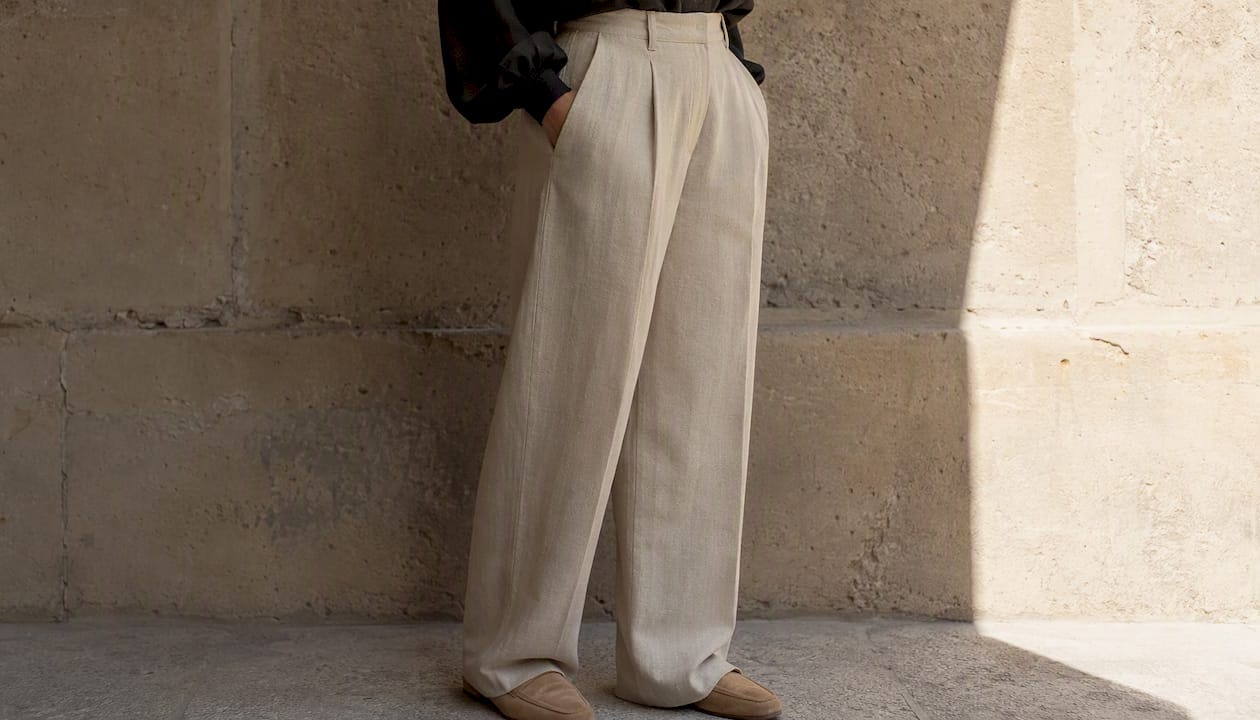
Chinos in neutral tones (camel, stone, navy, olive) occupy the relaxed end of smart casual. They work best with a blouse or fine knit rather than a tee, and with loafers or ankle boots rather than sneakers.
Midi skirts in a structured fabric (satin, crepe, or a heavy linen) are one of the most effortless smart-casual choices. A bias-cut midi in a neutral or tonal print, paired with a fine knit and loafers, requires almost no styling effort and reads consistently polished.
On jeans: Dark or mid-wash denim with no rips, no heavy fading, and a clean silhouette qualifies as smart casual when the rest of the outfit includes at least one elevated piece. A straight-leg or slim-cut dark jean paired with a silk blouse and ankle boots is a reliable formula. Avoid light wash, acid wash, heavily distressed, or wide-leg jeans in a casual denim weight — these read weekend rather than smart casual.
Three concise pairings:
- Wide-leg crepe trousers + fitted fine knit + loafers
- Dark slim jeans + silk blouse + ankle boots
- Satin midi skirt + structured cotton tee (tucked) + ballet flats
What dresses and jumpsuits hit the smart-casual sweet spot?
Midi wrap dresses, shirt dresses, and tailored jumpsuits are the three most reliable options. Each delivers a complete, considered look with minimal effort — which is part of what makes them so useful for smart-casual occasions.
Midi wrap dress: The wrap silhouette flatters a wide range of body types by defining the waist and allowing the skirt to fall at a universally flattering length. In a jersey crepe or silk-look fabric, it reads smart casual for dinner or a work social. In a heavier linen or structured cotton, it works for brunch or a casual networking event.
Shirt dress: Worn belted at the waist, a shirt dress in a quality cotton or linen reads polished and relaxed simultaneously. It is one of the most versatile pieces in a smart-casual wardrobe, moving from daytime to early evening with a simple shoe swap.
Tailored jumpsuit: A wide-leg or straight-leg jumpsuit in crepe, ponte, or a structured linen is a confident smart-casual choice. It reads as a considered outfit rather than a thrown-together one, and it requires almost no styling beyond a simple shoe and bag.
Length and neckline guidance:
- Midi length (below the knee, above the ankle) is the safest for most smart-casual occasions
- Knee-length works for daytime and work-adjacent events
- Mini lengths can work for casual smart-casual settings (brunch, daytime networking) but tip toward cocktail for evening
- V-necks and square necklines read relaxed-elegant; deep plunges shift toward cocktail
Two example outfits:
- Silk-look wrap dress in a deep tonal print + block-heel mules + structured leather clutch
- Tailored linen jumpsuit + white leather loafers + gold hoop earrings + minimal crossbody bag
How do layering pieces change the formality of an outfit?
A single structured layer — almost always a blazer — is the most reliable way to shift an outfit into smart-casual territory. Style editors consistently identify the blazer as the quickest and most reliable piece to cross the casual-to-smart threshold, and the reason is straightforward: it introduces structure, tailoring, and intention without requiring the rest of the outfit to do heavy lifting.
The same base outfit (dark jeans + white tee) reads differently depending on the layer:
- Blazer: Immediately smart casual. The tailoring signals effort.
- Cardigan: Relaxed smart casual, appropriate for brunch or a low-key work event.
- Trench coat: Polished and seasonally appropriate; works as both a layer and a finishing piece.
- Bomber jacket: Casual-leaning smart casual; works for weekend or daytime occasions, less so for evening.
Layering rules worth keeping:
Proportion matters. A cropped blazer pairs with high-waisted trousers or a midi skirt. An oversized blazer works over a slim trouser or fitted dress. Avoid pairing volume on volume — an oversized blazer over wide-leg trousers reads shapeless rather than considered.
For sleeve roll: rolling the sleeves of a blazer one or two turns reads relaxed and intentional, which suits the smart-casual register well. It is a small detail that communicates ease without sacrificing polish.
Fabric weight should follow the season. A linen blazer works for spring and summer smart casual; a fine wool or structured cotton blazer carries autumn and winter. For cooler months, the Second Female Autumn collection at Edito offers structured layering pieces that translate directly into smart-casual formulas.
Which shoes read smart casual, and what should you avoid?
Loafers, ballet flats, ankle boots, clean leather sneakers, and low-heel sandals are the five shoe families that reliably work for smart casual. Style guides consistently recommend these categories while flagging athletic trainers and flip-flops as the clearest footwear missteps.
Smart-casual shoe dos:
- Loafers (leather or suede): the most versatile option; works with trousers, jeans, skirts, and dresses
- Ballet flats (leather or quality fabric): elegant and comfortable; pairs with almost everything
- Ankle boots (block heel or flat): adds edge and works across seasons
- Clean leather sneakers (white or neutral, minimal branding): the relaxed end of smart casual; works for brunch and daytime
- Low-heel sandals or mules (block or kitten heel): appropriate for evening and warmer months
Smart-casual shoe don’ts:
- Heavily cushioned athletic running shoes — the volume and branding read sportswear
- Flip-flops or pool slides — too casual regardless of the outfit
- Heavily embellished evening heels — these tip into cocktail territory
- Worn or scuffed shoes of any style — condition matters as much as style
On the heel-vs-flat question: for most smart-casual occasions, a flat or low heel is entirely appropriate. A heel adds formality and elongates the silhouette, which can be useful for evening smart casual. For daytime, a flat loafer or ballet flat often reads more considered than a high heel, particularly with wide-leg trousers or a midi skirt.
Pro Tip: When you are uncertain whether an outfit reads smart casual, look at the shoes last. Clean, intentional footwear can rescue an otherwise borderline outfit; worn or overly casual shoes undermine even a well-assembled look.
Which accessories add polish without overdoing it?
A structured bag, simple jewelry, and a well-placed belt are the three accessory families that lift a smart-casual outfit most reliably. The principle here is one statement piece — the rest should recede.
A structured leather tote or a small crossbody in a quality material signals polish immediately. It does not need to be expensive; it needs to look considered. Avoid canvas totes with heavy branding, nylon backpacks, or beach bags in smart-casual contexts.
For jewelry, the most effective approach is restraint with intention. A pair of gold or silver hoop earrings, a delicate chain necklace, or a simple cuff reads modern and polished. Stacking multiple statement pieces simultaneously tends to compete with the outfit rather than complement it.
A belt worn at the natural waist over a shirt dress or tucked blouse adds definition and signals that the outfit was assembled with care. Choose leather or a quality faux leather in a neutral tone.
Shifting from day to evening: Swap a structured tote for a small clutch or evening bag. Add one piece of jewelry (a pendant necklace or a more substantial earring). These two changes alone can move a smart-casual daytime outfit into evening territory without changing any clothing.
How should you approach color, print, and texture for smart casual?
A neutral base with one accent color is the most reliable palette strategy for smart casual. Neutrals — ivory, camel, navy, stone, black, and warm gray — are the foundation of most smart-casual wardrobes because they pair easily and read inherently polished. One accent color (a dusty rose blouse, a cobalt bag, an olive trouser) adds personality without disrupting the overall register.
Print guidance:
- Small, tonal prints (fine stripes, micro-florals, subtle geometric patterns) read smart casual reliably
- Large, bold prints work when the rest of the outfit is restrained — one printed piece, everything else neutral
- Avoid novelty prints (cartoon motifs, heavy slogan prints) in most smart-casual contexts
Texture mixing tips:
- Linen and fine knit together read relaxed-elegant and work well for spring and summer smart casual
- Satin and structured cotton create a polished contrast appropriate for evening
- Mixing a matte fabric with a subtle sheen (crepe trousers + silk blouse) adds visual interest without effort
Seasonal swaps matter for both comfort and appropriateness: linen, cotton, and sandals for summer; fine knits, wool-blend blazers, and ankle boots as temperatures drop. The palette can shift seasonally too — warm terracotta and dusty rose for autumn, crisp white and sky blue for summer — while the underlying neutral-plus-accent strategy stays constant.
Bullet summary for quick reference:
- Neutrals first, accent second
- One print at a time; keep the rest tonal
- Mix textures with contrasting weights (matte + sheen, structured + soft)
- Shift palette with the season while keeping the formula
Why does fit matter more than price for smart casual?
Fit is the single most important variable in smart-casual dressing, and it matters more than the price tag on any individual piece. A well-cut mid-price trouser that skims the hip and breaks cleanly at the ankle reads more polished than an expensive pair that pools at the foot or gaps at the waist. Wardrobe guides consistently identify simple tailoring adjustments as the highest-return styling investment available.
The most common fit problems in smart casual are: trousers that are too long, blazers with sleeves that extend past the wrist, and blouses that pull across the back or chest. Each of these is fixable with a single tailor visit. Hemming trousers costs very little and transforms the silhouette. Taking in a blazer at the side seams creates shape without altering the overall design.
Proportion rules that work across body types:
Fitted top + wide-leg trouser is one of the most flattering and versatile smart-casual proportions. The volume of the trouser is balanced by the definition of the top, and the overall silhouette reads considered rather than shapeless.
Structured blazer + slim trouser or straight-leg jean is the other reliable proportion. The blazer adds volume at the shoulder and torso; the slim bottom keeps the look from reading boxy.
Pro Tip: Before wearing a new blazer out, try it on at home and check three things: the shoulder seam should sit exactly at the shoulder point (not drooping toward the arm), the sleeves should end at the wrist bone, and the back should lie flat without pulling. If any of these are off, a tailor can fix all three in a single session for a modest cost.
What are the best outfit formulas for specific occasions?
The Vogue celebrity guide to smart casual makes a useful observation: the most effective smart-casual looks are built on a clear formula, then personalized through one or two deliberate choices. That is exactly how to approach occasion dressing.
Work social (after-hours drinks, team dinner):
- Dark slim trousers + silk blouse + loafers + structured tote
- Wide-leg crepe trousers + fine knit + ankle boots
- Midi wrap dress + block-heel mules + gold hoops
- Swap for summer: linen trousers + sleeveless blouse + leather sandals
Dinner (restaurant, date night, birthday celebration):
- Satin midi skirt + fitted turtleneck + kitten-heel mules
- Tailored jumpsuit in crepe + leather loafers + delicate necklace
- Shirt dress (belted) + ankle boots + structured clutch
- Celebrity reference: The blazer-over-slip-dress combination seen repeatedly on Parisian-influenced dressers translates directly into this formula — a structured layer over something fluid and feminine.
Brunch:
- Dark straight-leg jeans + linen blouse + white leather sneakers + crossbody bag
- Chinos + fine-knit sweater + loafers
- Midi floral dress + ballet flats + minimal jewelry
- Swap for cooler months: add a fine-wool cardigan or a trench coat over any of the above
Networking (casual professional event, industry drinks):
- Tailored blazer + white tee + wide-leg trousers + ankle boots
- Shirt dress + loafers + structured tote
- Dark jeans + silk blouse + blazer + pointed-toe flats
Travel-ready (airport, long-haul, city arrival):
- Ponte tailored jogger + fitted turtleneck + trench coat + clean leather sneakers
- Wide-leg crepe trousers + fine knit + loafers + structured carry-on tote
- Midi wrap dress + ankle boots + oversized blazer
What should you avoid wearing for smart casual?
The clearest rule: if the piece reads as gym wear, beachwear, or black-tie formalwear, it does not belong in a smart-casual outfit. Everything else is a matter of degree.
Clear no-nos:
- Gym wear and activewear (leggings, sports bras, athletic shorts, hoodies in performance fabric)
- Flip-flops, pool slides, and heavily cushioned athletic trainers
- Heavily distressed denim (large rips, fraying, acid wash)
- Overly formal gowns, heavily sequined pieces, or full cocktail dresses
- Sheer tops worn without a lining or camisole
- Oversized graphic tees or heavy slogan prints
- Visible underwear, bralettes worn as tops in most contexts
- Heavily logoed pieces where the branding dominates the outfit
Quick red flags by category:
Shoes: worn-down heels, scuffed leather, heavy athletic branding, beach sandals.
Fabrics: pilled jersey, neoprene, performance mesh, heavily wrinkled linen (pressed linen is fine; crumpled linen is not).
Logos and embellishment: a subtle logo is acceptable; a piece where the logo is the primary design element reads too casual or too branded for most smart-casual contexts.
The underlying principle, as noted across multiple style guides, is that smart casual requires visible effort. Anything that reads as “I grabbed this on the way out the door” undermines the register, regardless of how expensive the individual piece might be.
Edito’s curated picks for building a smart-casual wardrobe
The case for curated European pieces in a smart-casual wardrobe is partly about savoir-faire — the craftsmanship and considered design that make a garment work across multiple occasions — and partly practical. Pieces from brands like SOEUR, Hartford, Vanessa Bruno, and Second Female are designed with the kind of refined simplicity that translates directly into smart-casual formulas without requiring extensive styling effort.
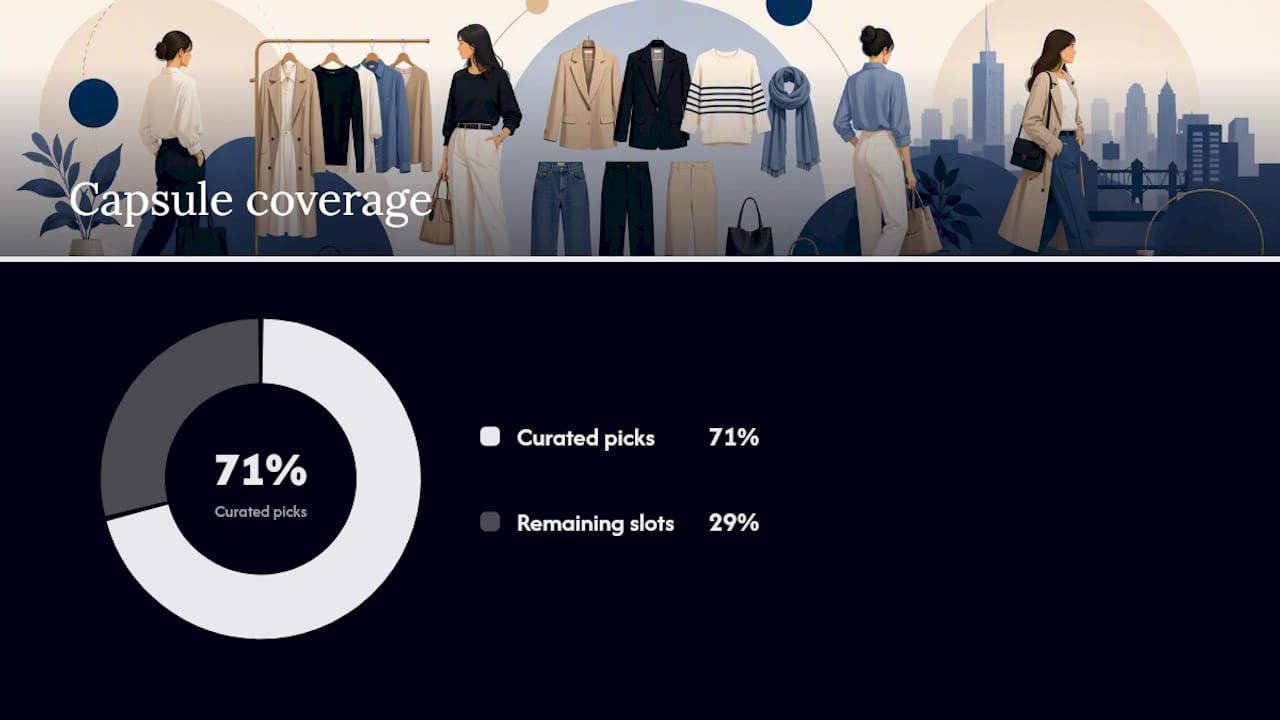
A small, versatile capsule of five to seven pieces covers most smart-casual needs. The capsule approach recommended by wardrobe experts — blazer, white shirt, dark jeans, tailored trousers, fine knit — maps closely to what Edito carries.
Curated picks and how to use them:
-
Wilda Top in Cream by Second Female: A refined blouse option that pairs with the dark-trouser formula for work social or dinner. The cream tone works as a neutral anchor.
-
Fique Zip Pants in Black by Second Female: Tailored trousers that slot directly into the networking and dinner formulas. The zip detail adds a contemporary edge without disrupting the clean silhouette.
-
Morrison Savasi Shirt in Black/White Botanical Print: A patterned shirt that demonstrates the one-print-at-a-time principle. Worn with neutral trousers and loafers, the print does the work without requiring anything else.
-
Soeur Baden Shirt: A lightweight shirt in a distinctive color, suited to spring and summer smart-casual formulas. The SOEUR design philosophy — relaxed structure, considered detail — makes it easy to dress up or down.
-
Groovy Bomber Jacket in White by Second Female: A polished take on the bomber that works for weekend smart casual and travel-ready looks. Pair with dark straight-leg jeans and loafers.
Edito dispatches orders within one business day and offers a generous return policy, which makes it straightforward to try pieces at home and assess fit in the context of your existing wardrobe — a practical advantage when building a capsule.
A stylist’s perspective on what actually makes smart casual work
There is a tendency to treat smart casual as a problem to solve — a dress code to decode rather than a philosophy to adopt. What we notice at Edito, working with the European brands we carry, is that the women who dress smart casual most effortlessly are not thinking about rules. They have internalized one habit: they always ask whether the outfit has a clear intention.
Intention does not mean effort for its own sake. A white tee and dark jeans can have intention if the tee is well-fitting, the jeans are clean and pressed, and the shoes are considered. A silk blouse and tailored trousers can lack intention if the blouse is untucked carelessly and the shoes are scuffed.
The practical habit worth developing: before you leave the house, identify the one piece in your outfit that is doing the most work. If you cannot name it, the outfit probably needs one more considered choice — a belt, a swap of shoes, or a blazer pulled from the rack. That single piece of clarity is what separates a smart-casual look from a casual one.
On jewelry: the simplest rule is one piece per zone. Earrings or a necklace, not both at full volume. A watch or a stack of bracelets, not both. The restraint reads as confidence, which is the quality that smart casual, at its best, is really communicating.
Why Edito is worth exploring for your smart-casual wardrobe
Edito curates European women’s fashion with a specific philosophy: pieces that carry their own élégance, that do not require extensive styling to read polished, and that hold their quality across seasons. For a smart-casual wardrobe, that philosophy is directly useful.
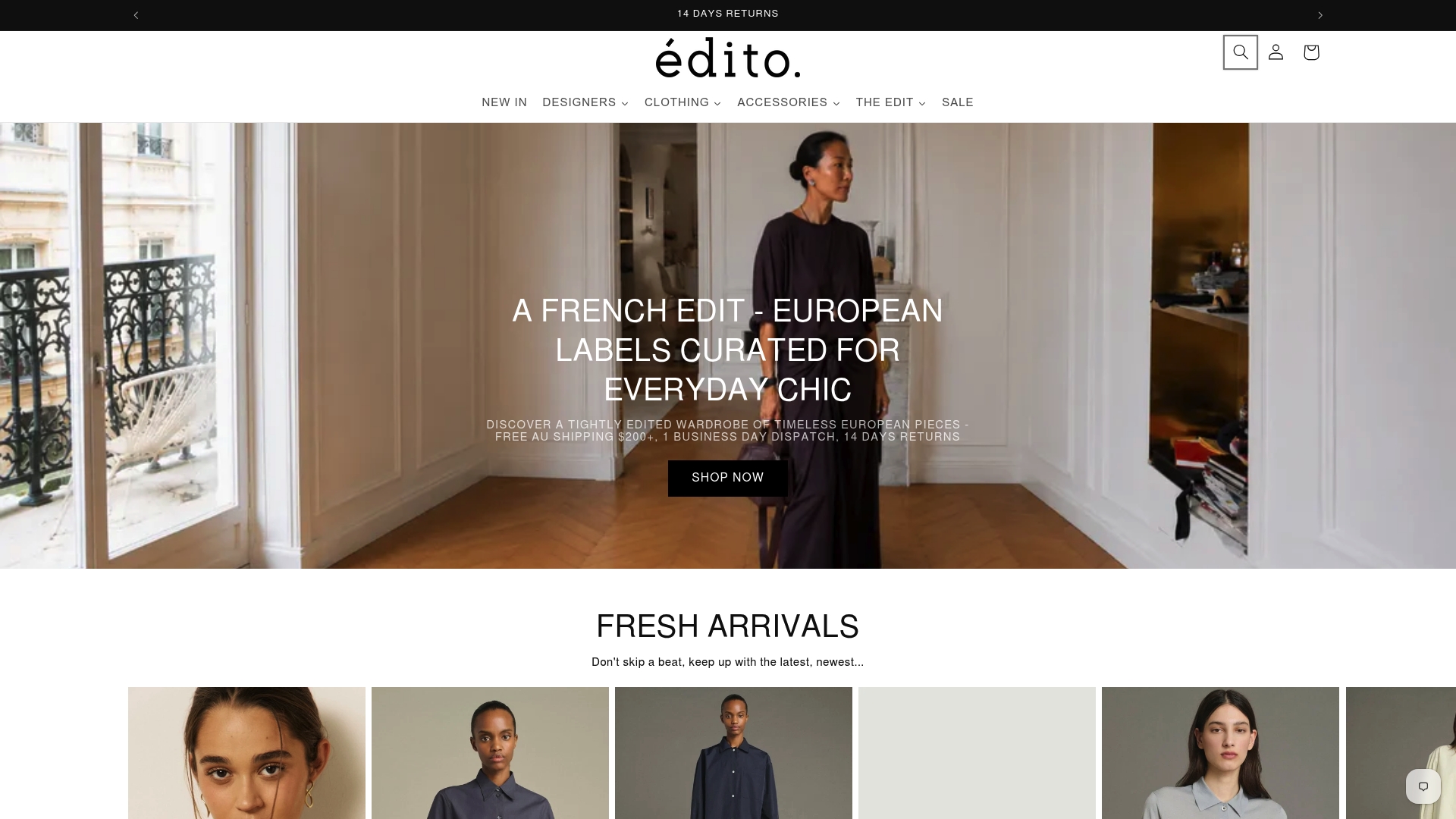
The brands Edito carries — SOEUR, Hartford, Vanessa Bruno, Sessun, SITA MURT, and others — are chosen precisely because they sit in the refined-casual register that smart casual demands. You will not find fast-fashion volume or trend-chasing pieces; you will find considered design, quality fabrics, and silhouettes that work across the occasion formulas in this guide. Orders are dispatched within one business day, returns are straightforward, and the curation means you are not sorting through hundreds of options to find the three that actually work.
Visit Edito’s curated collection to browse pieces that map directly to the formulas above — and to find the one or two additions that will make your smart-casual wardrobe genuinely repeatable.
Sources
- Smart Casual Outfits for Women: The Complete Guide
- A Celebrity Guide to Nailing a “Smart Casual” Dress Code
- Smart Casual Dress Code: What to Wear and How to Style It - Fashionnovation
- Smart Casual Dress Code for Women: The Complete Style Guide
Recommended
- Laurence Bras Autumn Winter 2025 | French Fashion | Australia | Edito Boutique
- Laurence Bras Autumn Winter 2024 | French Fashion | Australia | Edito Boutique
- Laurence Bras Spring Summer 2025 | French Fashion | Australia | Edito Boutique
- Soeur Spring Summer 2024 Collection | French Fashion Trends | Australia | Edito Boutique