
The rule is simple: change one thing, not everything. Update a single silhouette, proportion or material on a classic piece, a blazer’s shoulder, a silk blouse’s sleeve, and leave the rest alone. The result reads current without losing the elegance that made the piece worth owning. Ahead, we share the outfit formulas, fabric notes and accessory rules that make this one-change philosophy work in practice.
TL;DR:
- Change a hem, sleeve, shoulder, or fabric first; shortening a hem by 2 to 4 centimetres can modernise proportions without changing the garment’s character.
- Keep colours classic when changing a silhouette; try a saturated accent or monochrome outfit when the garment’s shape stays traditional.
- Mix tailoring with only one streetwear piece, such as trainers or a graphic tee; balance an oversized blazer with slim trousers, never another oversized item.
- Ask a tailor to assess delicate fabric before alterations; fold knits, use shaped hangers for coats, and condition leather accessories every few months.
Table of Contents
- Which classic pieces to prioritise and the single-change rule
- Practical outfit formulas: six modernising combinations you can copy
- Fabrics, fit and proportions that read contemporary
- Accessories and finishing touches that modernise a classic look
- Care and maintenance tips to preserve the quality while adapting styling
- Incorporating modern color palettes with classic pieces
- Mixing classic designer pieces with current fashion trends or streetwear
- Examples of iconic styling from fashion influencers or celebrities
- Author and Edito perspective: why this method works for curated European designer pieces
- Shop curated pieces: try Chorus Blouse or Elisam Shorts
- FAQ
- Sources
Which classic pieces to prioritise and the single-change rule
Some wardrobe staples simply carry modernisation better than others. Their proportions are forgiving enough to absorb a single update without losing their character. Our picks, drawn from what we curate most often:
- The tailored blazer, because its shoulder and lapel can shift dramatically with minimal alteration.
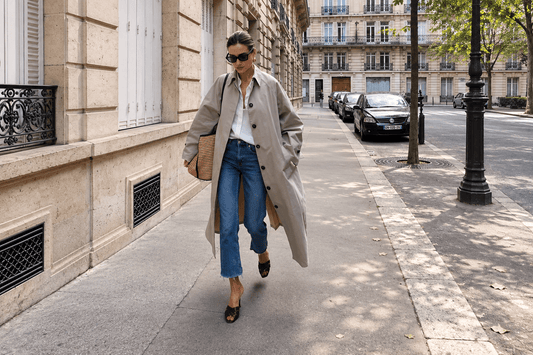
- The trench coat, built on a silhouette that tolerates a cropped hem or an unexpected belt treatment.
- The Breton top, a near-blank canvas that takes on new life through fabric weight alone.
- The silk blouse, where sleeve length or collar shape does most of the modernising work.
- Tailored trousers, which respond instantly to a change in taper or break.
- The midi skirt, flexible enough for either a cropped top or a heavier boot to reset its mood.
- The knit, where texture alone, chunky versus fine gauge, shifts the entire read of an outfit.
The one-change rule works because restraint is what separates a modernised classic from a costume. A blazer with sharpened shoulders paired with jeans and trainers feels current. The same blazer worn with a logo belt, chunky boots and a statement bag starts to look like it is trying too hard. Stylist Emma Kalfus’ guide to winter dressing makes this point directly: classics come alive through one deliberate silhouette or fabrication change rather than a pile of trend details. Pick the piece, choose the one update, and stop there.
Practical outfit formulas: six modernising combinations you can copy
These formulas pair a classic base with a single modern element and one finishing accessory, so you can replicate the logic across your own wardrobe.
- Day: Breton top plus wide-leg trousers, finished with a slim gold hoop. Occasion: errands, lunch, a Brisbane weekday in cooler months.
- Office: Tailored blazer plus a slip skirt, finished with a structured loafer. Occasion: client meetings or anywhere a blazer needs to soften.
- Weekend: Silk blouse, specifically something like the Chorus Blouse in White/Black, worn open over denim shorts with sleeves rolled once and left undone at the collar. Occasion: a Saturday market run where the blouse does the elevating and the denim keeps it relaxed.
- Evening: Midi skirt plus a cropped knit, finished with sculptural earrings. Occasion: dinner or a gallery opening.
- Transitional: Trench coat worn open over a simple tee and the Elisam Shorts in Caramel Stripes, finished with ankle boots rather than sandals to carry the look into cooler weeks. Occasion: the shoulder-season stretch when Queensland mornings are cool and afternoons are not.
- Tailored trousers: worn with a fitted tank and an oversized blazer thrown over the shoulders rather than worn properly, finished with flat mules. Occasion: a long lunch or an afternoon meeting that runs into drinks.
Pro Tip: If you only have time for one update, change the hemline or the sleeve, not the colour. Proportion shifts read as intentional; colour changes just read as different.
Fabrics, fit and proportions that read contemporary
Fabric does quiet work. A textured knit, a heavier-weight silk, a coated leather or a matte technical fabric all signal “now” more effectively than a trend print ever will, because texture suggests intention rather than seasonality.
- Textured knits add visual depth without adding colour or pattern.
- Heavier silk holds structure in a way that lighter silk cannot, which makes a blouse look deliberate rather than delicate.
- Coated leather introduces a technical edge against soft tailoring.
- Matte technical fabrics read as utilitarian rather than formal, useful for softening a strict blazer.
Fit matters just as much. A stronger shoulder, a cropped or elongated hem, or a sleeve tapered closer to the wrist can shift a piece’s entire era without touching its fabric. To Be Magazine’s analysis of Lemaire points to exactly this kind of soft tailoring layered against utilitarian trims and technical contrasts as the mechanism behind modern European dressing. Pairing a matte, heavy knit against a lightweight silk, or a coated leather piece against soft tailoring, creates the textural tension that updates a classic without overwhelming it.
Practical tailoring note: shortening a hem by 2 to 4 centimetres, sharpening a shoulder line, or adjusting a sleeve can retain a garment’s original integrity while changing how contemporary it reads, a small, affordable alteration with an outsized effect, according to Emma Kalfus’ guide.
Accessories and finishing touches that modernise a classic look
Accessories do the fastest work of any styling decision, because they sit outside the garment and can be changed in seconds. Seven that consistently shift a classic outfit into a modern register:
- A structured belt cinched over a loose coat or blouse to reintroduce waist definition.
- Sculptural boots that add weight and attitude to a soft silhouette.
- Oversized sunglasses, which instantly read as current against almost any classic base.
- A chunky loafer, swapped in for a ballet flat to add presence underfoot.
- A sculptural earring, worn alone rather than with a matching necklace.
- A contemporary bag in an unexpected shape or texture against a traditional tailored piece.
- A wide belt on trousers or a coat, used as the single statement rather than layered with other accessories.
Editorial styling tends to lean on just one or two stand-out accessories per outfit, oversized sunglasses or sculptural boots being common choices, as referenced in Sitchu’s seasonal styling coverage. Restraint is the rule here too: mix metals sparingly, keep logos to one item at most, and when the base piece is already ornate (a printed silk, a textured knit), let the accessories go quiet. When the base is minimal, that is your cue to let one accessory carry more weight.
Care and maintenance tips to preserve the quality while adapting styling
Modernising a classic piece should never come at the expense of its longevity, particularly when the piece is a well-made European design meant to outlast a season.
Silk blouses benefit from hand washing in cool water or a gentle dry clean, and should be steamed rather than ironed directly where possible, since high heat on silk can leave a shine that is difficult to reverse. Wool and knit pieces hold their shape longest when folded rather than hung, which prevents the stretching that happens at the shoulders over time. Tailored blazers and coats should be stored on a proper shaped hanger, never a wire one, to keep the shoulder line crisp, which matters more than usual once you have invested in sharpening that shoulder as a styling update.
Leather accessories, belts, bags, boots, need conditioning every few months to prevent cracking, especially relevant in Queensland’s humidity where leather can dry out and stiffen faster than expected between wears. Before any alteration, including the hem or sleeve adjustments we mentioned earlier, have a tailor assess the fabric first: some silks and wools tolerate re-stitching far better than others, and an experienced tailor will tell you honestly whether a piece can take the change you are picturing.

Treat alterations as an investment rather than a quick fix. A well-executed taper or hem adjustment on a quality European piece typically outlasts several seasons of styling trends, which is part of why the one-change approach suits curated wardrobes so well: you are not discarding pieces, you are adjusting them.
Incorporating modern color palettes with classic pieces
Colour is one of the easier levers to pull once the silhouette work is done, but it rewards restraint just as much as fit does. Classic French and European pieces, a camel trench, a navy blazer, a cream silk blouse, were built around palettes that never really left: neutrals, deep tones and the occasional considered accent.
The modern update usually comes from how those neutrals are combined rather than from introducing bold new colour. Pairing camel with black, for instance, feels sharper and more current than camel with its traditional tonal partners like cream or brown. A single saturated accent, a deep green bag, a burgundy boot, against an otherwise neutral outfit reads as a deliberate styling choice rather than a trend statement.
Monochrome dressing, styling head to toe in a single tone including the accessories, is another route that reads unmistakably current while still working with classic pieces. A cream blouse, cream trousers and a cream bag together look more considered than the same pieces split across different neutrals.
Where we see this go wrong is when colour and silhouette updates happen simultaneously. If you are already changing a hemline or adding a sculptural accessory, keep the palette classic. Save the colour experimentation for outfits where the silhouette itself is staying traditional, so only one variable shifts at a time, consistent with the one-change principle running through every section here.
Mixing classic designer pieces with current fashion trends or streetwear
The tension between a tailored European piece and a streetwear staple is often what makes an outfit feel genuinely current rather than simply “dressed up” or “dressed down.” A blazer over a graphic tee. Tailored trousers with chunky trainers instead of loafers. A silk blouse tucked into cargo-style pants.
This works because the two registers borrow credibility from each other. The tailoring lends the trainers or the tee a sense of occasion, while the streetwear element strips the tailoring of any stiffness. Several French brands available in Australia are built around exactly this kind of tension, feminine and androgynous silhouettes sitting comfortably alongside more casual, utilitarian pieces, which makes their classic items particularly easy to mix into a streetwear-adjacent outfit without losing their identity.
The guardrail is proportion. A fitted blazer softens a baggy trouser; an oversized blazer wants a slim trouser underneath it. Never let two oversized pieces share an outfit, since the silhouette collapses into shapelessness rather than reading as deliberately relaxed. Keep the streetwear element to one piece, trainers or the tee, not both, so the tailored piece still anchors the look.
For travel or activity-heavy days where a fully tailored outfit is impractical, a well-made technical dress from a brand like Athleta can sit alongside a tailored jacket as a more functional alternative, offering the comfort of performance fabric without abandoning the silhouette you are going for.

Examples of iconic styling from fashion influencers or celebrities
The pieces that tend to get referenced most in modern styling conversations are rarely new. They are classics that have simply had one update applied with confidence. A camel coat worn open over tailored trousers and flat boots rather than heels. A silk blouse left half-unbuttoned with the sleeves pushed up rather than buttoned to the collar. A blazer worn with nothing underneath but a simple vest.
What these looks share is not a specific brand or decade, but a refusal to over-style. The coat is allowed to be the statement; everything else recedes. This is the same logic that runs through Lemaire’s recent collections, where twisted hems, balloon skirts and lacquered leather updates modernise familiar wardrobe pieces through fabric and silhouette alone, without reaching for an obviously “trendy” reference point.
The lesson for building your own wardrobe is less about copying a specific outfit and more about noticing the discipline behind it: one update, worn with ease, photographs and reads better than three updates worn cautiously. Confidence in how a piece is worn, posture, pace, the decision to leave a button undone, often does more styling work than the garment itself.
Author and Edito perspective: why this method works for curated European designer pieces
We built our approach around restraint because the pieces we curate are meant to last well beyond a single season. Our edit favours labels with versatile silhouettes that can be updated rather than replaced each time a trend shifts.
Chasing every trend works against the quality we look for in a garment: a piece re-styled five different ways over several years holds more value, both financial and sartorial, than five pieces each worn once. That is the philosophy behind every outfit formula above, and behind how we write about seasonal collections.
— Mickael Martin
Shop curated pieces: try Chorus Blouse or Elisam Shorts
We exist to make this kind of considered dressing easier to shop for, bringing together curated French and European designer pieces that are built to be restyled season after season rather than worn once and retired.

Two current pieces worth building into your own one-change rotation:
- The Chorus Blouse in White/Black works equally well tucked into tailored trousers for the office or left open over denim for the weekend.
- The Elisam Shorts in Caramel Stripes pair naturally with a trench and ankle boots for the shoulder-season formula above.
Browse the wider edit across clothing, tops, dresses and pants, or visit the accessories collection to find the single finishing piece your next outfit needs.
FAQ
What is the one-change rule for styling classic pieces?
It means updating only one element, a silhouette, a proportion or a fabric, on a classic piece at a time, rather than layering several trend details together. Stylist Emma Kalfus’ guide points to this kind of single deliberate change as the most effective way to modernise a wardrobe staple.
How do I modernise a silk blouse without it looking dated?
Leave a button or two undone, push the sleeves up, or swap a tucked-in look for one worn open over simple trousers or shorts. The blouse itself stays classic; the way it is worn does the modernising.
Can I mix streetwear with tailored designer pieces?
Yes, provided only one piece carries the streetwear element at a time, trainers or a graphic tee, not both, so the tailoring still anchors the outfit. A fitted blazer works particularly well over a looser, more casual piece underneath it.
How often should I have a classic piece tailored?
Have a hem, shoulder or sleeve reassessed whenever the proportion starts to feel dated rather than on a fixed schedule, since a well-made European piece can usually absorb more than one alteration over its life. A tailor can confirm whether the fabric will hold the change you want.
Sources
- Stylist Emma Kalfus’ Guide To Chic Winter Dressing | Sitchu
- Lemaire knows our sartorial needs | To Be Magazine
- French fashion brands you can shop in Australia | Elle Australia