
The easiest way to buy authentic, wearable French fashion in Australia is through a curated boutique edit rather than piecemeal searching across dozens of overseas sites. Edito Boutique curates French and European labels for Australian wardrobes, alongside select brand sites that ship locally. If you want the staples that define contemporary French dressing, view Edito’s curated French edit first, then read on for the wardrobe formulas and shopping checklist that make every purchase count.
TL;DR:
- Australian boutiques like Edito curate French labels, ensuring correct sizing, seasonal relevance, and local returns, simplifying international shopping.
- Key French staples include a Breton stripe top, a tailored blazer, a trench coat, and high-waisted trousers, all chosen for fit and fabric quality.
- Fabrics should be lightweight or unlined for Australian weather, with hemline and sleeve length adjustments necessary for the hotter climate.
- Popular French labels for Australian shoppers include Sœur, Sessùn, BA&SH, and Vanessa Bruno, known for their focus on craftsmanship and versatile, relaxed style.
- Accessories like silk scarves, structured leather bags, and minimal gold jewelry enhance the French aesthetic adapted for Australian conditions.
Table of Contents
- What defines contemporary French fashion in Australia?
- Where can you buy French fashion labels in Australia?
- Six easy outfit formulas using French wardrobe staples
- How has French fashion history shaped global style?
- What sets French fashion apart from Australian style?
- How do you wear French fashion in Australian weather?
- Which French designers and labels matter to Australian shoppers?
- How do you style French accessories in Australia?
- Why Edito curates French labels: an editor’s note
- Edito’s curated picks to shop now
- Sources
- FAQ
What defines contemporary French fashion in Australia?
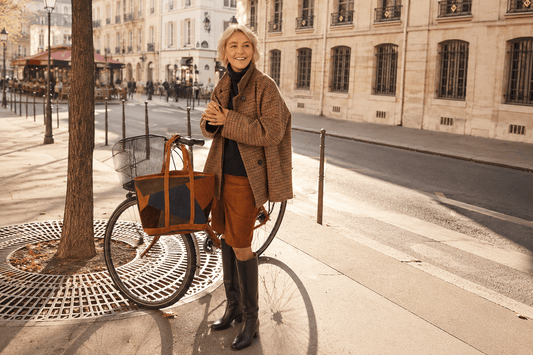
French dressing is not about quantity. It is a small, deliberate wardrobe built on pieces that fit properly and last for years, and that philosophy translates well to the Australian shopper who is tired of replacing fast fashion every season. Style guides consistently point to the same handful of wardrobe staples that stylish French women rely on: a breton stripe top, a tailored blazer, a trench coat, ankle boots, high-waisted trousers, a silk blouse, and a quality knit.
Each staple earns its place through fabric and cut, not logos.
- Breton stripe top: cotton or linen jersey, close but not tight, three-quarter sleeves for versatility.
- Tailored blazer: structured shoulder, single vent, wool or wool-blend for shape retention.
- Trench coat: cotton gabardine, belted waist, knee-length or just below.
- Silk blouse: pure silk or silk-cotton blend, relaxed through the body, no puckering at the buttons.
- High-waist trousers: wool or cotton twill with enough weight to hold a crease.
- Ankle boots: leather upper, low block heel, works with trousers and dresses alike.
- Quality knit: merino or a cotton-cashmere blend that keeps its shape after washing.
- Neutral leather bag: structured enough to hold form when half empty.
Fit matters more than fabric grade. A blazer shoulder should sit at the edge of your own shoulder bone, not beyond it. Sleeves should stop at the wrist bone, trousers should break just above the ankle boot, and hemlines on dresses and skirts should be adjusted for Australian heat rather than left at the European standard length.
Pro Tip: Pick one accent colour per season instead of buying it across five pieces. A single yellow dress or cobalt scarf reads as considered; five items in the same shade reads as a trend chase.
Where can you buy French fashion labels in Australia?
Three types of sellers serve the Australian market, and each suits a different kind of shopper.
- Curated Australian boutiques stock or select French and European labels with local sizing knowledge and domestic returns, which removes most of the friction of buying overseas. Australian outlets increasingly curate French labels specifically for local shoppers, and boutiques such as Edito manage sizing and seasonal timing so the pieces suit Australian weather, not just the European calendar.
- Official brand websites that ship to Australia give you the full range direct from the label, though shipping costs, customs duties and return windows vary enormously and often favour the brand’s home market over yours.
- Trusted marketplaces carry a wider mix of labels but demand more diligence, since stock authenticity and seller reliability are harder to verify at a glance.
Before you check out anywhere, run through this shortlist:
- Check the country-of-origin tag and fabric composition against what the listing claims.
- Confirm shipping time and total landed cost, including any customs or duty charges for orders from outside Australia.
- Read the returns policy carefully. Many European sites only allow returns to a European address.
- Look for authenticity cues: consistent stitching, correct branding on hardware, and a seller who states the manufacturing country plainly.
European sizing rarely matches Australian sizing directly, so measure your bust, waist and hip before you buy and compare against the brand’s own size chart rather than guessing from a size label alone. Many small European labels run narrower through the shoulder than mass-market Australian brands, which is worth knowing before you buy a blazer online. For a longer list of labels and where they’re stocked, Edito’s guide to European fashion brands worth knowing is a useful next stop, and its trans-seasonal dressing guide covers how to adjust weights and layers for Australia’s climate.
Six easy outfit formulas using French wardrobe staples
Buying the right pieces only pays off if you know how to wear them. These six formulas turn the staples above into outfits you’ll actually reach for.
- Café uniform: striped top, straight-leg jeans, ankle boots, neutral bag. The stripe does the work.
- Weekend casual: quality knit over a midi dress, flat sandals in warmer months, boots in cooler ones.
- Workday tailored: blazer, silk blouse, high-waist trousers. The blazer sets the tone; everything else stays quiet.
- Evening simple: silk blouse tucked into a slim skirt, one statement earring, no other jewellery.
- Trans-seasonal layering: trench over a knit, worn open, with trousers that transition from air-conditioned offices to a cool evening.
- Travel capsule: three tops, two bottoms, one blazer, one pair of boots, all in colours that mix freely.
Keep a neutral base of navy, camel, black or white, and let one accent colour move through two or three pieces at most. In Queensland summer, swap wool trousers for linen and skip the trench in favour of a lightweight jacket; in Melbourne winter, the same formulas hold with heavier knits and the trench doing real work rather than sitting as decoration.
How has French fashion history shaped global style?
French fashion’s global influence traces back to the rise of Parisian haute couture in the 19th century, when the city became the reference point for tailoring, fabric quality and seasonal collections that the rest of the world followed. Houses built around precise construction and fabric mastery set benchmarks that ready-to-wear brands still measure against, from the structured blazer to the bias-cut dress.
What travelled furthest wasn’t any single garment but an approach: buy fewer pieces, choose them for fit and fabric, and let confident styling do more work than logos. That’s the through line connecting a 1950s Parisian coat to the tailored blazers Australian boutiques stock now. It also explains why “French style” rarely means literally French-made anymore. Labels like Sessùn, BA&SH and Vanessa Bruno tend to afford that design sensibility forward through cut and fabric choice rather than through any single iconic piece, and their popularity in export markets like Australia rests on that same philosophy rather than novelty. The emphasis on craftsmanship over trend cycles is why these pieces tend to outlast a fast-fashion equivalent by several seasons, not because of marketing, but because the tailoring was done properly the first time.
What sets French fashion apart from Australian style?
Australian fashion trends lean toward relaxed, climate-driven dressing: linen, resort wear, and a strong casual thread that runs through even smart-casual workplaces. French dressing, by contrast, holds onto structure even in casual pieces. A French breton top is still cut with intention; an Australian equivalent is often looser and more forgiving.
The other real difference is colour and pattern behaviour. Australian wardrobes often lean into brighter, sun-driven palettes and statement prints, while French dressing favours a tighter neutral base with one considered accent, a pattern like the coastal fashion sensibility captured across seasonal French collections that tends toward simple stripes or one bold solid rather than mixed prints.
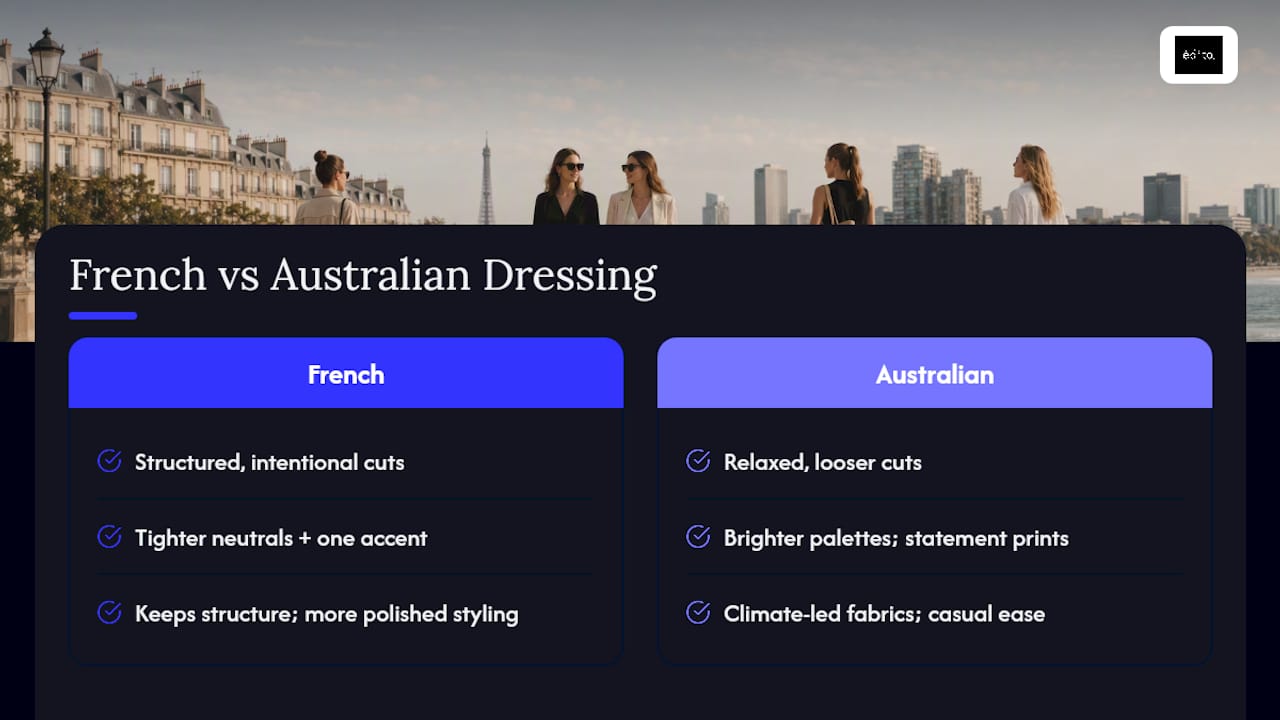
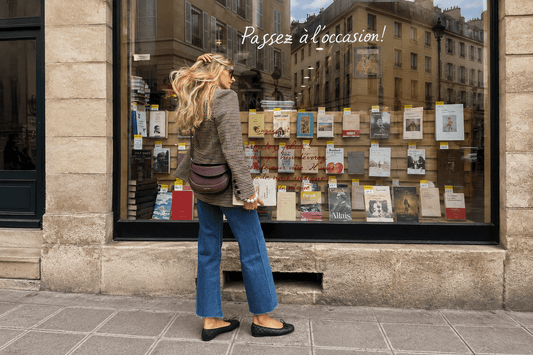
Neither approach is more correct. But blending them works well for Australian shoppers: keep the French structure and neutral base, then let Australian ease dictate fabric weight and how buttoned-up (literally) you go on any given day. A tailored blazer over a simple slip dress and thongs at a Sunday market is very much an Australian French hybrid, and it works precisely because it doesn’t try too hard in either direction.
How do you wear French fashion in Australian weather?
The biggest adjustment is fabric weight, not silhouette. Swap the wool blazer for a lighter cotton-linen blend from spring through to autumn, and save true wool for the genuinely cool months in southern states. Silk blouses work year-round in Australia if you choose a lighter weight silk for summer and layer a knit over a heavier one in winter.
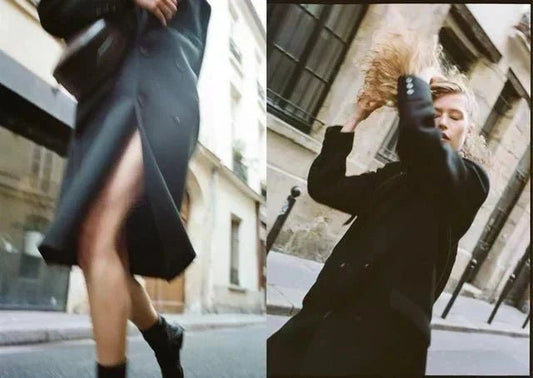
Trench coats need rethinking here. A full cotton gabardine trench can be too warm for a Brisbane winter, let alone a Sydney one, so look for an unlined or lightly lined version, or treat it as a transitional piece for early morning and evening rather than an all-day coat. Building a trans-seasonal capsule around natural fibres like linen for hot months and light wool for cooler ones solves most of this without needing two separate wardrobes.
Hemlines and sleeve lengths are worth adjusting too. European collections are often cut for cooler climates as standard, so a midi dress that reads as knee-length on a European model may need shortening for genuine Australian summer wear, and three-quarter sleeves frequently work better than long ones for most of the year outside Tasmania and Victoria’s colder months.
Which French designers and labels matter to Australian shoppers?
You don’t need to know every maison to shop well, but a handful of contemporary labels turn up again and again in considered Australian wardrobes because their sizing, pricing and design language suit local shoppers. Sœur builds refined, feminine pieces with a strong eye for fabric. Sessùn leans bohemian without losing structure, and its prints translate well to Australian resort dressing. BA&SH sits in the mid-tier designer bracket with a strong focus on effortless silhouettes that work from office to evening. Vanessa Bruno is known for relaxed tailoring and considered detailing, particularly in knitwear and outerwear.
Two labels worth naming outside the strictly French bracket, since they’re often grouped with French style in Australian retail: Sita Murt, a Spanish label with a similarly pared-back aesthetic, and Essentiel Antwerp, a Belgian brand with a bolder, print-driven approach. Both are genuinely European rather than French, and worth knowing precisely because “French style” as shopped in Australia is really shorthand for a broader continental design sensibility. Edito’s complete guide to Parisian style breaks down how these labels differ in fit and price if you want a deeper comparison before buying.
How do you style French accessories in Australia?
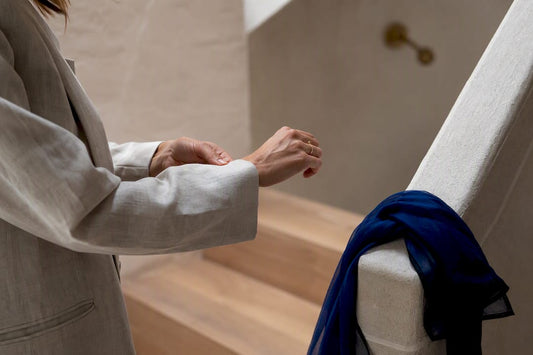
Accessories carry more of the “French” signal than people expect, and they’re the cheapest way to test the aesthetic before committing to a full wardrobe shift. A silk scarf, tied simply at the neck or looped through a bag handle, does more visual work than most jewellery. A structured leather tote in tan or black outlasts trend-driven bag shapes by years and works equally at a Brisbane café or a Melbourne office.
Gold jewellery in French styling tends toward single statement pieces rather than stacked layers: one signet ring, one pair of hoops, not both worn together with three bracelets. Sunglasses lean toward classic shapes (a simple cat-eye or round frame) over anything logo-heavy. For Australian conditions, swap heavier winter scarves for lightweight silk or cotton versions you can wear from April through to October in most states, and keep leather bags treated against humidity if you’re shopping in Queensland or the Top End.
Why Edito curates French labels: an editor’s note
Curating a French and European edit means saying no to far more brands than we say yes to. Quality and craftsmanship come first: a garment earns its place in the edit because the fabric holds up, the tailoring is genuinely considered, and the piece will still be wearable in three years, not because it photographs well for one season.
That curation does real work for the shopper too. Instead of comparing sizing across a dozen unfamiliar European sites and guessing at shipping costs, you get a shortlist that’s already been checked for fit, fabric and seasonal relevance to Australian wardrobes. We build every seasonal edit with Australian weather and lifestyle in mind, not the European calendar, which is why the pieces we choose tend to work as hard in a Brisbane summer as they do in a Melbourne winter.
— Mickael Martin
Edito’s curated picks to shop now
Edito’s founding idea is simple: instead of hunting across a dozen international sites for one good silk blouse, get a shortlist that’s already been checked for fit, fabric and Australian seasonal relevance, and buy from a Brisbane-based boutique that handles local returns properly.
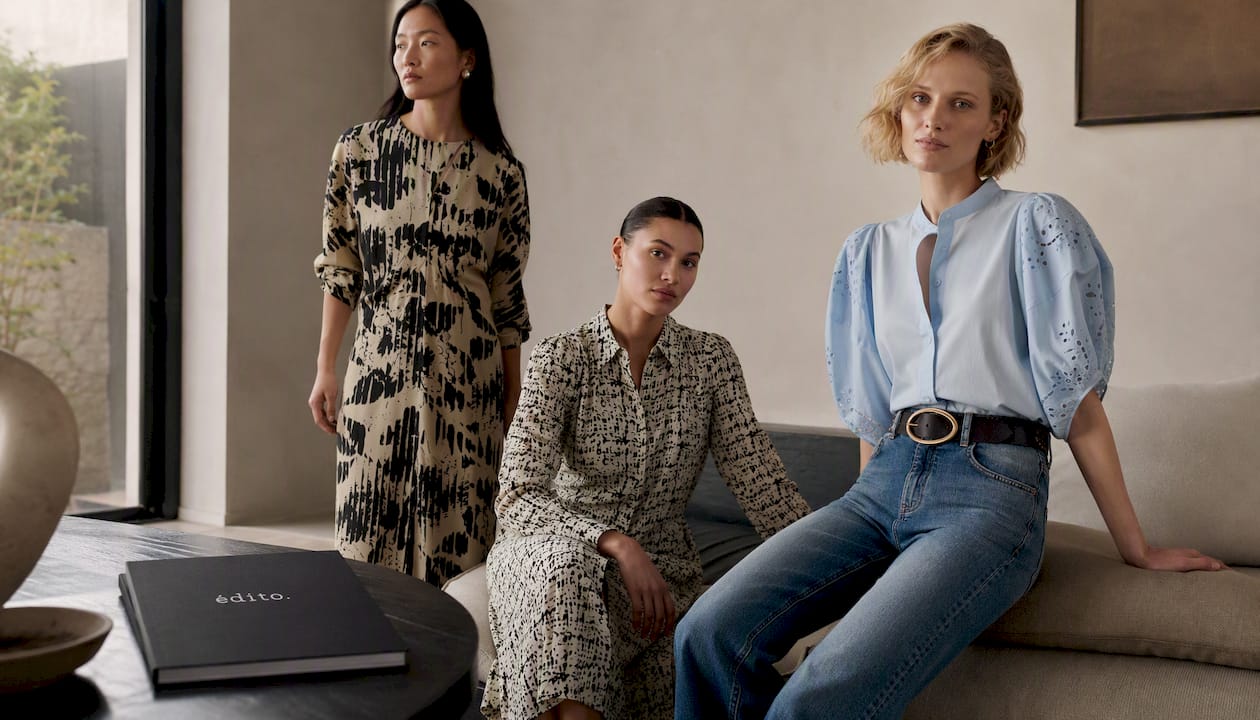
Three pieces from the current edit show exactly what that curation looks like in practice.
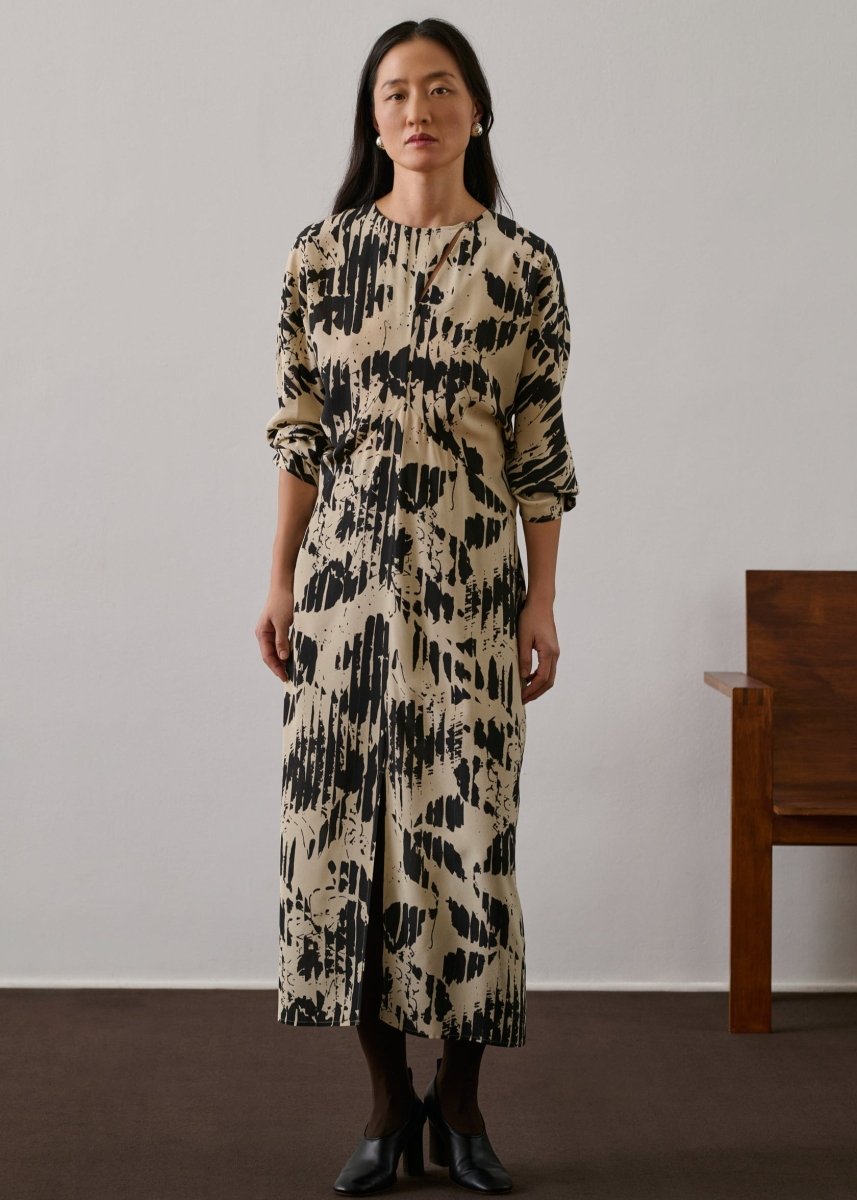
- The Francine Dress in Pale Yellow/Black is a versatile midi that moves from daytime to evening without a change of accessories, and it’s the single accent piece the capsule formulas above are built around.
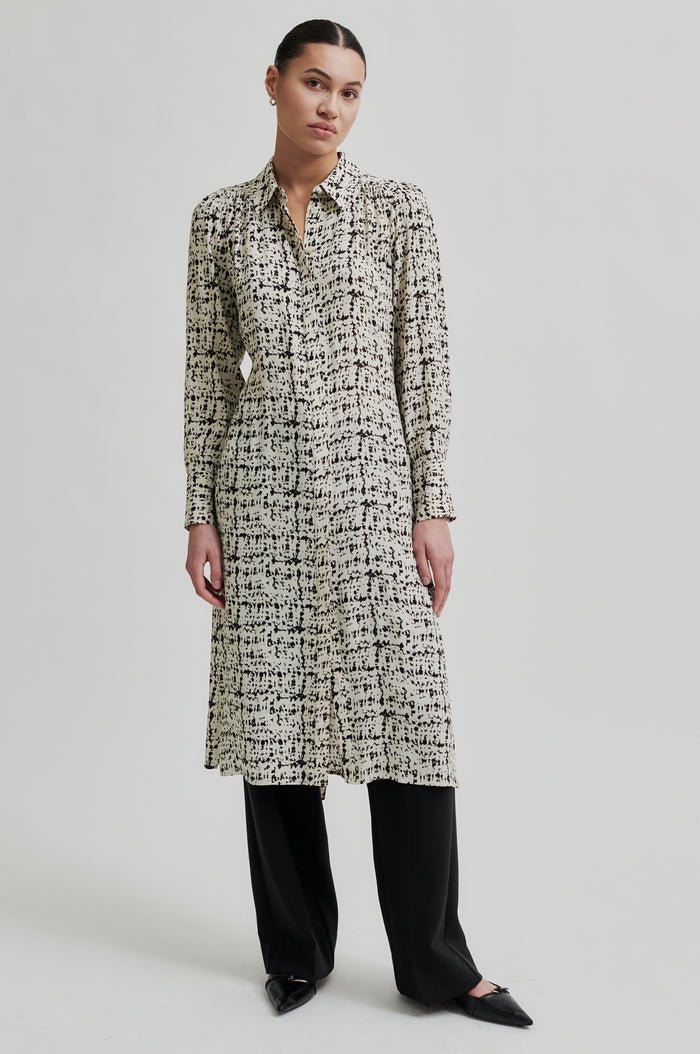
- The Maluka Dress in French Oak works as an adaptable midi for both the workday-tailored and weekend-casual formulas, sitting comfortably in the mid-tier designer price bracket.
- The Felicie Blouse in Azur is the silk-blouse staple every capsule wardrobe needs, styled easily under a blazer for the office or tucked into a skirt for evening.
Each comes with clear sizing guidance, straightforward Australian shipping, and an easy returns process, so there’s none of the guesswork that comes with buying directly from a European brand site. Browse the current edit and check sizing against your own measurements before you order, and treat the pieces above as a starting shortlist rather than the full range.
Sources
- 6 Wardrobe Staples Stylish Over-50 French Women Own | Who What Wear UK
- French fashion brands you can shop in Australia — ELLE Australia
FAQ
How do you dress like a French woman over 50?
Focus on fit and fabric over trend: a well-cut blazer, a proper trench, quality knits and one accent colour per season do more than any single “of the moment” purchase.
What are some popular French clothing brands?
Sœur, Sessùn, BA&SH and Vanessa Bruno are among the contemporary French labels most relevant to Australian shoppers, each with a distinct take on relaxed tailoring and fabric quality.
Where can Australians buy French fashion online?
Curated Australian boutiques such as Edito stock or select French and European labels with local sizing support, while several official brand sites ship directly to Australia at varying cost and return terms.
What are people wearing in Paris right now?
Current Parisian dressing leans on breton stripes, tailored trousers, silk blouses and a single considered accent colour, layered with a trench or lightweight knit depending on the season.
Is Sita Murt a French brand?
No. Sita Murt is a Spanish label often shopped alongside French brands in Australia for its similarly pared-back, quality-first design approach.