
Pick fabrics that let air move and sweat evaporate, and then balance volume so nothing clings. Linen and lightweight cotton in A-line or wide-leg shapes solve most humid-weather dressing problems, with silk reserved for evenings and treated polyester kept for genuinely active days. Get the fabric and silhouette right and the rest of your wardrobe follows.
TL;DR:
- Linen retains moisture-wicking and airflow properties better than cotton once saturated, making it the best natural fabric for daytime humidity.
- Loosely woven cotton is suitable for casual wear but becomes less effective when saturated, while silk is best reserved for cooler evening temperatures.
- Pair oversized clothing with fitted or structured pieces to avoid looking shapeless, and tuck in tops on wide-leg trousers for a polished appearance.
- Light neutrals reflect heat but show sweat patches easily, whereas darker, saturated colors conceal perspiration and offer better UV protection.
- Choose breathable footwear like woven leather sandals and natural-fiber socks, and layer with quick-removable pieces for transitioning between outdoors and air-conditioned environments.
Table of Contents
- Eight humid weather outfits to copy right now
- Which fabrics actually work in humidity
- Getting the silhouette right without looking shapeless
- Colour choices that keep you cool and camouflaged
- Footwear and underwear rules that stop sweat becoming a problem
- Layering and accessories for moving between outdoors and air-conditioning
- Caring for summer fabrics so they last the season
- Building a humid-weather capsule from Edito’s edit
- Hairstyle and makeup that survive sticky days
- Dressing for work and special occasions without overheating
- The editorial take: why most humid-weather advice gets this backwards
- Edito picks: the seven pieces to buy now
- Sources
- FAQ
Eight humid weather outfits to copy right now
Humidity punishes anything tight, heavy, or synthetic against the skin, so every formula below leans on airflow first and polish second.
- Linen shirt dress, bare legs, flat sandals. Linen’s loose weave keeps air circulating, and a shirt dress skims rather than clings.
- Wide-leg linen trousers with a fitted silk cami. The volume-balance rule in action: roomy below, streamlined above.
- Cotton poplin midi skirt with a tucked-in tank. Poplin’s tight weave means it holds shape without trapping heat the way thicker cottons do.
- A-line dress with delicate gold jewellery. The Elorina Dress in Navy works here, its A-line cut allowing airflow while the colour hides travel creases.
- Matching linen set, jacket left open. Two lightweight pieces read as one outfit but let you shed a layer the moment humidity spikes.
- Printed viscose shirt over tailored shorts. The Jo Shirt’s loose print reads fresh even after hours in sticky air, and the open collar helps ventilation.
- Culottes with a sleeveless linen blouse. Culottes move air around the legs better than fitted trousers ever will.
- Evening silk slip dress with minimal accessories. Silk breathes surprisingly well after dark; pair it with the Buenasera Dress in Serra for a flowy, humidity-friendly evening option.
For daytime errands, the Amaze Cargo Trousers in Beige give structure without sacrificing breathability, especially paired with a sleeveless top. Finish any of these with the Diamond Arrow Hoops or a Bikini Bracelet. Metal jewellery this lightweight won’t trap heat against your skin the way chunkier pieces can.
Which fabrics actually work in humidity
Linen wins the humidity test more often than any other natural fibre. Its fibre structure moves moisture away from the body faster than cotton, and its natural stiffness stops it clinging when you sweat, according to textile science reporting from Georgia Tech. Multiple fabric scientists interviewed by the Washington Post reached the same conclusion: linen typically keeps you cooler than cotton once the air turns sticky.
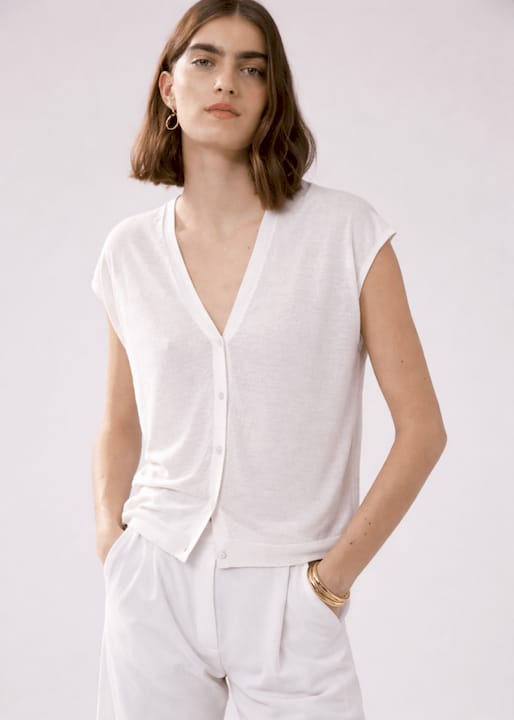
Cotton still earns a place in your wardrobe, but only in the right weave. Loosely woven cotton breathes well; tightly woven cotton offers better UV protection but sacrifices airflow, and Australian textile experts note it holds more moisture once saturated than linen does, per ABC News.
Silk is better suited for evenings with cooler temperatures, as it provides drape without bulk. Lightweight merino wool can offer good breathability and temperature regulation on humid days, sometimes outperforming cotton.
- Linen: best all-rounder for daytime humidity
- Loose-weave cotton: fine for casual wear, weak once saturated
- Silk: evening choice, minimal cling
- Lightweight merino: good breathability, especially in knits
- Treated polyester: reserved for activewear and travel days
No fabric is perfect for every situation. AP News reports that weight, construction, fit, and moisture management all matter as much as fibre type, and engineered moisture-wicking polyesters move sweat away from skin faster than untreated cotton during exercise, according to Team Spirit Sports. Save those synthetics for the gym or the airport, not the office.
Getting the silhouette right without looking shapeless
The rule is simple: balance volume, don’t multiply it. Pair roomy bottoms with a fitted or semi-fitted top, or flip it with a structured bottom and a loose, flowing top. Two oversized pieces together read as sloppy, not relaxed.
Reliable silhouettes for humid days include:
- A-line dresses that skim past the body instead of hugging it
- Wide-leg trousers that let air circulate around the legs
- Culottes, which split the difference between shorts and a skirt
- Straight-cut shirts worn slightly loose but tucked at one side for shape
Pro Tip: If you’re heading into an office and want a wide-leg trouser to look intentional rather than baggy, tuck your top in on one side only and add a slim belt. It takes ten seconds and instantly restores proportion.
For inspiration on pairing loose trousers with fitted pieces, Edito’s guide to linen pants outfits walks through several proportion combinations worth borrowing.
Colour choices that keep you cool and camouflaged
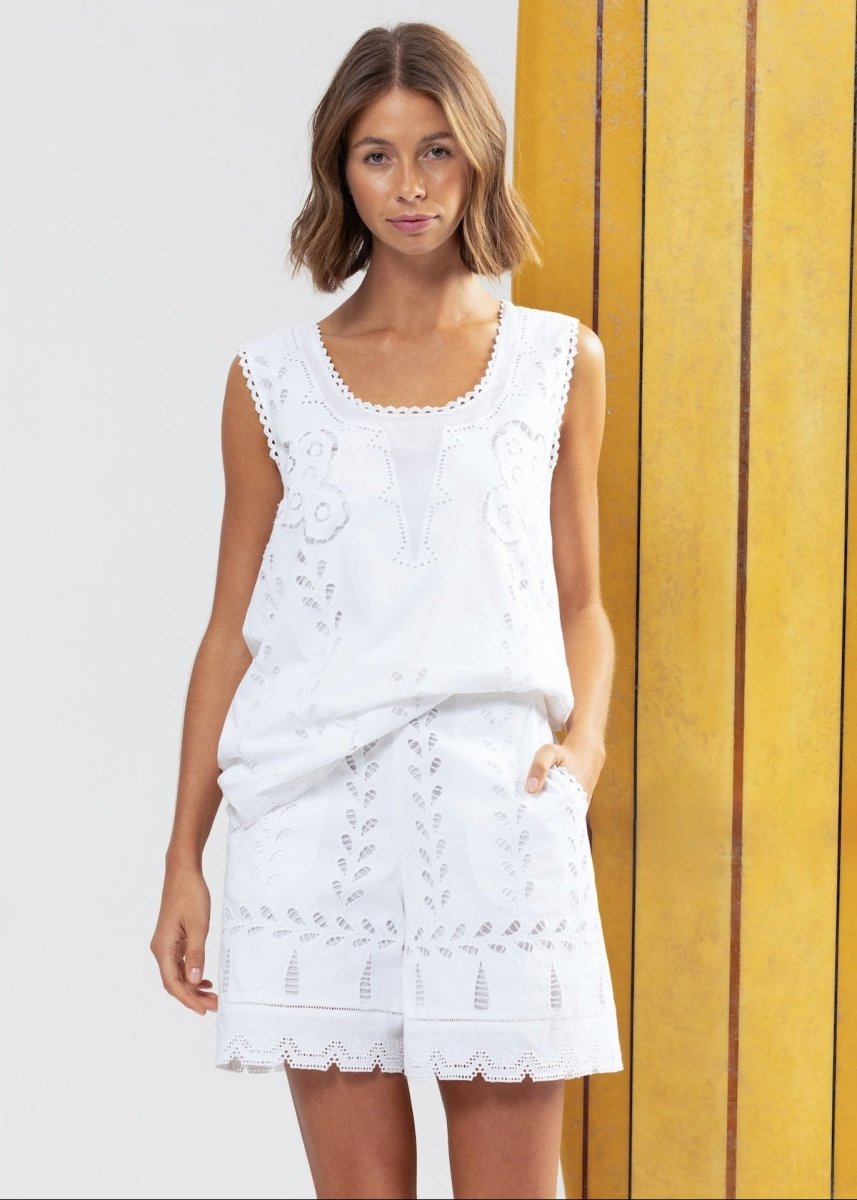
Light neutrals reflect heat and read fresh in humidity, but they show sweat patches more readily than darker tones. Deep, saturated colours conceal perspiration better and often offer stronger UV protection, though they can absorb more heat in direct sun.
- Whites and light beiges: best for reflecting heat, weakest for hiding sweat
- Navy, olive, and terracotta: strong for concealment, good midday balance
- Small prints and textured weaves: disguise perspiration better than solid dark colours while still reading fresh
A cohesive humid-weather palette built around sand, navy, and one warm accent tone gives you a wardrobe that mixes freely without ever looking mismatched.
Footwear and underwear rules that stop sweat becoming a problem
Choose breathable sandals or woven leather shoes over plastic or foam soles, which trap heat and moisture against the skin. For closed shoes, pair a breathable upper with thin natural-fibre socks that absorb sweat, then rotate your shoes and air them overnight to keep odour from building.
- Moisture-wicking sports bras for activity, breathable cotton linings for everyday wear
- Woven leather or canvas sandals over synthetic-soled options
- Talc or an anti-chafe balm on inner thighs for long, sticky days
Layering and accessories for moving between outdoors and air-conditioning
Pack one lightweight layer you can add or remove in seconds: an open-weave shawl, a cotton shirt, or a linen kimono all work. Layering solves the swing between humid streets and over-cooled interiors without adding bulk, a point echoed by broader outdoor layering guidance.
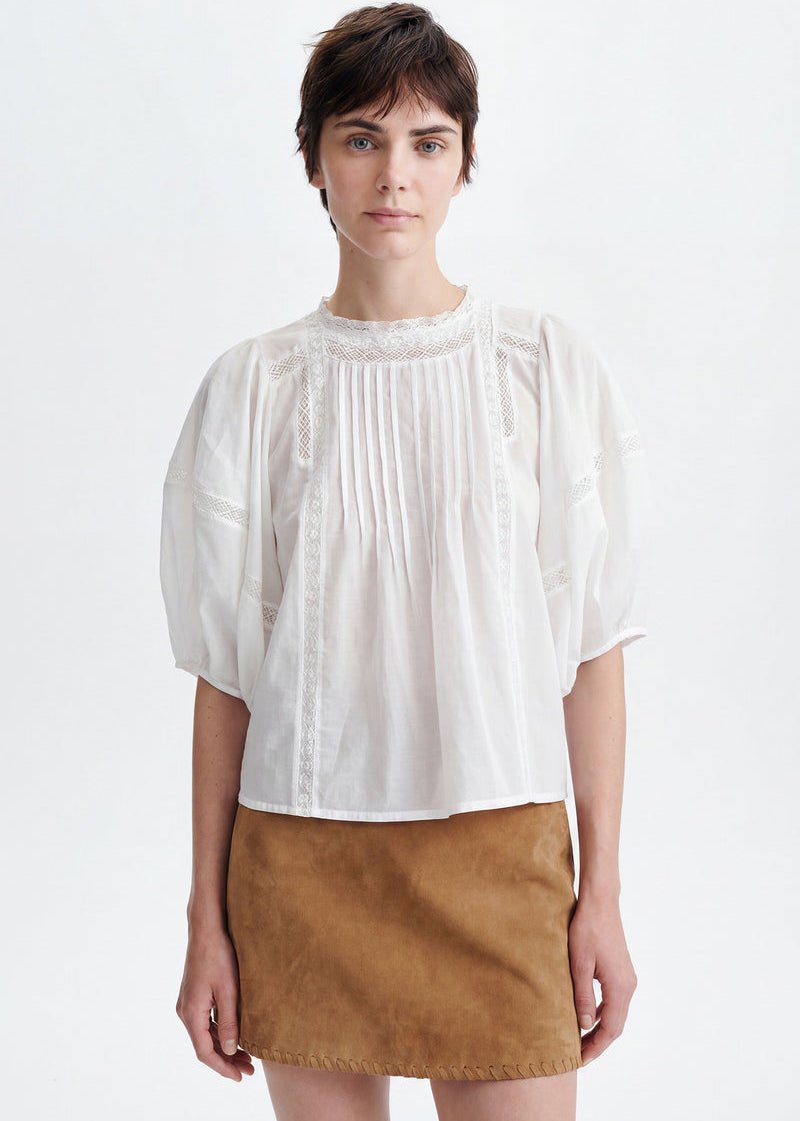
Choose a wide-brim hat or a lightweight UV-protective scarf over anything heavy, and skip chunky metal accessories that heat up against skin in direct sun.
Pro Tip: Keep a linen kimono folded flat in your bag. It weighs almost nothing but saves you from shivering the second you step into an air-conditioned café.
Caring for summer fabrics so they last the season
- Wash linen and cotton on a cool or warm cycle, never hot, to preserve fibre strength.
- Air-dry silk flat and away from direct sun to stop yellowing and shrinkage.
- Treat sweat odour fast with a diluted vinegar rinse before it sets into fibres.
- Hang linen immediately after washing. Its natural creases soften and mostly fall out on their own.
- Pack a light fragrance, such as Breeze by Ingrid, for a quick refresh between wears when a full wash isn’t possible.
Building a humid-weather capsule from Edito’s edit
A working humid-weather capsule needs six to eight pieces that mix freely, not twenty options that half-work. Start with one breathable shirt, one A-line or shift dress, one wide-leg trouser, one evening piece, and two or three pieces of lightweight jewellery.
- Floco Floral Shirt in Sand for daytime layering and open-weave breathability
- Elorina Dress in Navy for a single-piece outfit that needs no thought
- Buenasera Dress in Serra for evenings when the temperature barely drops
- Amaze Cargo Trousers in Beige for a structured but breathable base layer
- Diamond Arrow Hoops and Bikini Bracelet to finish any look without adding heat
A genuinely useful capsule for humid climates isn’t about owning more. It’s about owning six or seven pieces that each solve a specific discomfort, whether that’s clinging fabric, sweat visibility, or the fifteen-degree swing between the street and an office lobby.
Mickael Martin, writing for Edito Boutique, notes that European wardrobe sensibility has always favoured fewer, better-made pieces over volume, which happens to be exactly what humid-weather dressing rewards.
Hairstyle and makeup that survive sticky days
Humidity attacks hair and makeup in predictable ways, so plan around it rather than fighting it all day. Loose braids, low buns, and slicked-back ponytails hold their shape far longer than blow-dried styles, because they don’t rely on smoothness that frizz can undo within minutes. If you want hair down, a light anti-humidity serum applied to damp hair before drying helps more than any product applied after frizz has already set in.
For makeup, swap heavy foundation for a tinted moisturiser or lightweight BB cream, since thick base products tend to slide rather than set in sticky heat. Setting spray matters more in humidity than in dry heat. A light mist locks everything in place without adding the greasy feel a heavier primer can create. Cream blush and lip tints outlast powder formulas, which can look patchy once skin starts perspiring.
Skip heavy eye makeup on the most humid days. Waterproof mascara is worth the switch even on days without swimming, since regular formulas often smudge under the brow within hours. A blotting paper stashed in your bag solves midday shine faster than reapplying powder, which can build up and look cakey by evening.
Dressing for work and special occasions without overheating
Professional and formal settings in humid climates create a specific tension: you need to look put-together, but stiff tailoring and structured fabrics are exactly what trap heat. The fix isn’t abandoning polish, it’s choosing structure that comes from cut rather than fabric weight.
A linen blazer, left unbuttoned or worn open over a sleeveless top, gives you the visual authority of tailoring without the heat retention of wool or heavy cotton twill. For special occasions, a silk or fine viscose dress in a considered colour photographs and reads as formal, while still letting air move against the skin all evening.
Save your heaviest, most structured pieces for the shortest exposure. Wear them in an air-conditioned venue, not for the walk there. Carry a lightweight layer for photos or the ceremony itself, then remove it the moment you’re back in the humidity. This is where a lighter print shirt, like the Lady D Shirt in Navy, earns its place: smart enough for a client meeting, breathable enough for the commute either side of it.
The editorial take: why most humid-weather advice gets this backwards
Most style guidance on humidity leads with what to avoid: no polyester, no dark colours, no fitted anything. That’s not wrong, but it’s the wrong starting point. The more useful question is which fabric actually performs, and the research is fairly consistent: linen outperforms cotton for humidity specifically because of how it manages moisture and airflow, not because of any stylistic trend.
Where I think the conventional advice falls short is in treating silhouette as an afterthought to fabric choice. They’re equally important. A linen dress cut too close to the body will still cling and crease within an hour. The volume-balance principle, roomy paired with fitted, does more heavy lifting than most style guides admit.
If you take one thing from this, prioritise fabric and cut together, not sequentially. Buy the linen, but buy the right shape in linen. That’s where European wardrobe sensibility actually earns its reputation: fewer pieces, chosen deliberately, worth more than a full wardrobe of the wrong fabric.
— Mickael Martin
Edito picks: the seven pieces to buy now
Edito is the alternative to guessing your way through a humid-weather wardrobe: instead of testing six fabrics before finding one that works, you start with pieces already chosen for how they perform in heat and humidity, not just how they photograph.
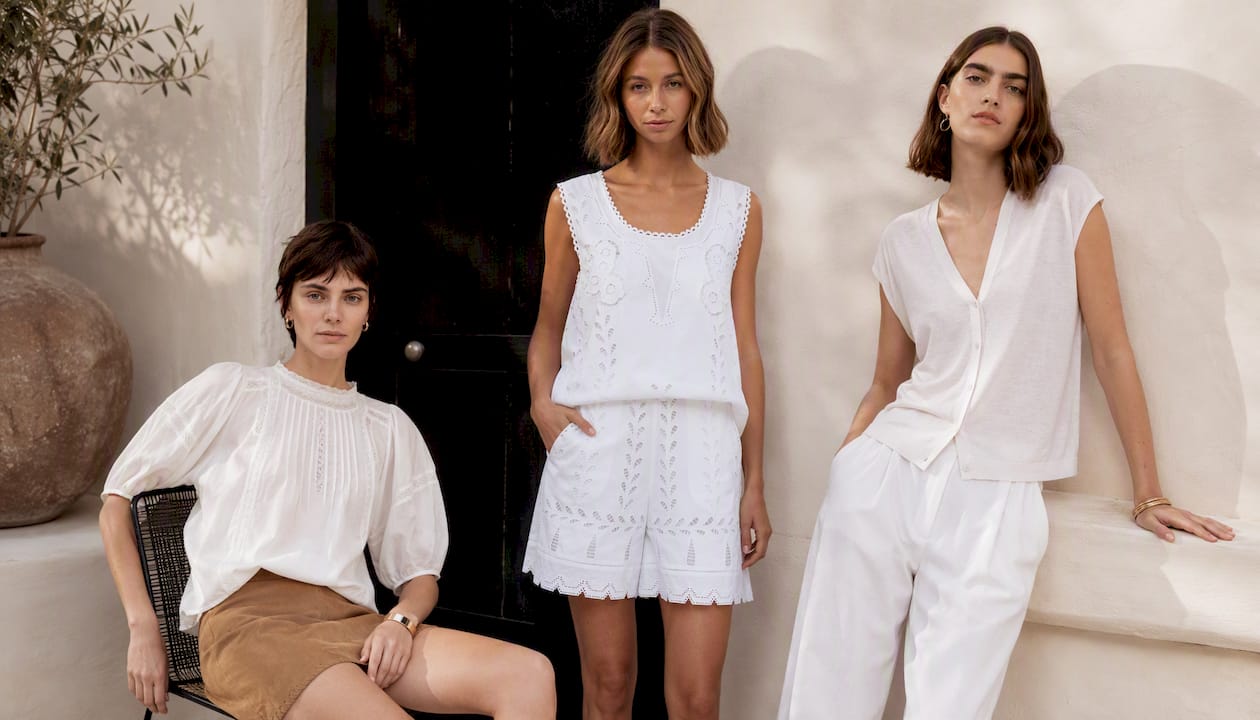
This capsule covers day, office, and evening without duplication. The Floco Floral Shirt in Sand gives you an open-weave layer for daytime humidity. The Elorina Dress in Navy is a one-and-done option for days you don’t want to think about pairing anything. The Jo Shirt works as a light layer over shorts or trousers when the air is thick but the sun isn’t harsh. Diamond Arrow Hoops finish a simple outfit without adding weight against warm skin. The Amaze Cargo Trousers in Beige give structure to casual days without the heat retention of denim. The Buenasera Dress in Serra carries you through humid evenings when a heavier fabric would be unbearable. The Bikini Bracelet rounds out the set as a light, easy accessory for beach-to-dinner days.
Browse the Elorina Dress in Navy or the full Buenasera Dress in Serra online now, or visit Edito’s Brisbane boutique to try the fit before humidity season sets in.
Sources
- Stay cool: top fabrics to wear to survive summer heat — Georgia Tech News
- What fibres and fabrics to wear in summer — ABC News
- Moisture-wicking vs breathable — Team Spirit Sports
- What to wear to stay cool during a heatwave — AP News
- Linen or cotton: Which fabric keeps you cooler in sticky summer heat? — Washington Post
FAQ
What is the 3-3-3 rule for clothes?
It’s a capsule wardrobe method: pick three tops, three bottoms, and three pairs of shoes to mix for a set period, which works well for humid climates since it forces you to choose your most breathable pieces.
How do you dress for 90% humidity?
Prioritise linen or loose-weave cotton in A-line or wide-leg shapes, keep colours in the mid-tone range to balance UV protection and sweat concealment, and choose sandals over closed shoes wherever possible.
What are the 10 pieces every woman should own?
Definitions vary, but a humid-weather version would centre on a linen shirt, an A-line dress like the Elorina Dress in Navy, wide-leg trousers, a silk evening piece, breathable sandals, and lightweight layering pieces such as a kimono or open-weave shawl.
What should you wear in humid, wet weather?
Choose quick-drying fabrics like treated polyester for exposure to rain, pair with a compact umbrella or UV-protective scarf, and avoid suede or unlined leather shoes that struggle to dry once wet.