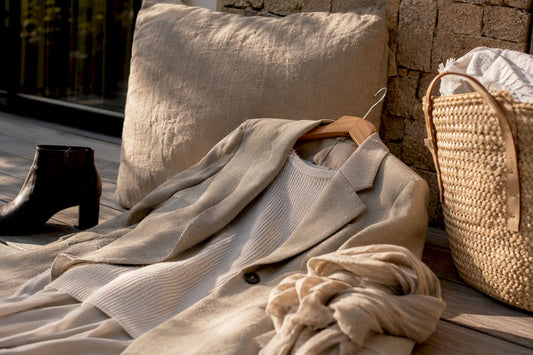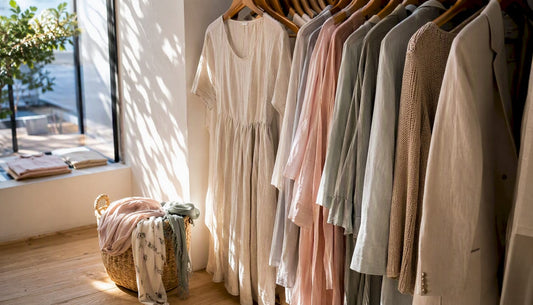

Elevated basics are everyday essentials refined by better fabric, considered fit and lasting construction, judged on cost‑per‑wear rather than price tag alone. If you’re starting an edit of elevated basics women can wear for a decade, prioritise these categories first:
- A weighty, well‑cut tee
- Fine‑gauge knitwear
- Tailored trousers
- A versatile day‑to‑evening dress
- A structured shoulder bag
- A silk scarf
- Minimal jewellery
- One considered coat
Edito curates these from European labels precisely because material and finish, not logos, determine whether a $500 sweater outperforms five cheap ones over years of wear.
Key Takeaways
Elevated basics earn their place through fabric weight, construction and fit, not price alone, and cost‑per‑wear is the clearest way to judge whether a piece is worth buying.
| Point | Details |
|---|---|
| Judge by cost‑per‑wear | Divide price by expected wears to compare a premium piece against a cheaper alternative fairly. |
| Spend more on knits and trousers | Fibre and construction compound over years of wear in these two categories more than in tees. |
| Fit checks prevent regret | Confirm shoulder seams, hem length and drape before buying, in-store or online. |
| Care extends fibre life | Hand wash or dry flat for cashmere and merino, and mend small snags immediately. |
| Build a capsule from what you wear | Audit your actual rotation first, then add elevated pieces one at a time rather than all at once. |
| Edito curates for longevity | Edito’s edit of French and European labels, including Sœur, Sessùn and Vanessa Bruno, is selected on fabric and craftsmanship rather than trend cycles. |
Table of Contents
- Which elevated basics categories should you buy first?
- How do you choose which basics are worth the investment?
- Which fabrics justify spending more, and how do you care for them?
- How do you style elevated basics for work, weekends and travel?
- Why trust Edito’s curation of elevated basics?
- How do you build a capsule wardrobe around elevated basics?
- An honest take on what actually makes basics “elevated”
- Shop the pieces from this elevated basics edit
- Sources
- FAQ
Which elevated basics categories should you buy first?
Every category rewards a slightly different kind of scrutiny. Getting the details right in each one is what separates a piece that earns its keep from one that ends up at the back of the wardrobe by winter.
1. The T‑shirt. Weight and neckline construction matter more than most women realise. A tee that holds its shape wash after wash needs a substantial jersey, usually Pima cotton or a cotton‑modal blend, with a neckline that doesn’t gape after the first few wears. Edito’s Willow Tee in navy from Melissa Nepton is a useful benchmark: dense enough to skim rather than cling, with a crew neck that keeps its recovery.
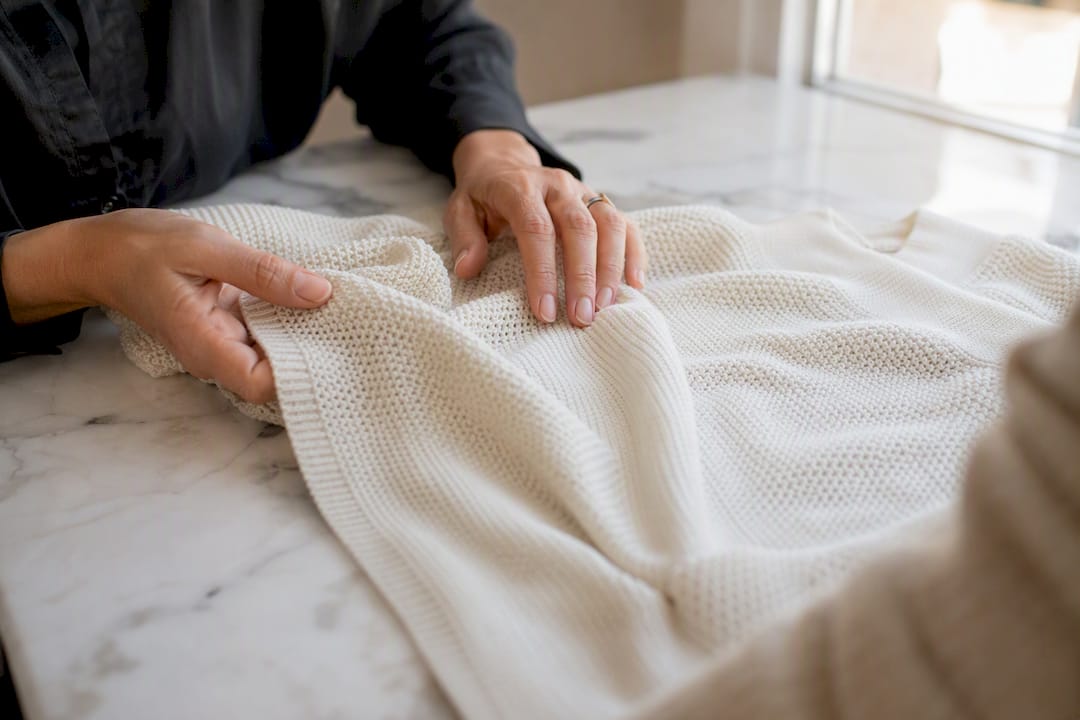
2. Knitwear. Fibre and density decide everything here. Fine merino or cashmere with a tighter knit resists pilling far longer than loosely spun acrylic blends, and a good knit should feel dense in the hand, not airy. This is one of the categories where stylists consistently recommend spending more, because the payoff in drape and shape retention is immediate and visible.
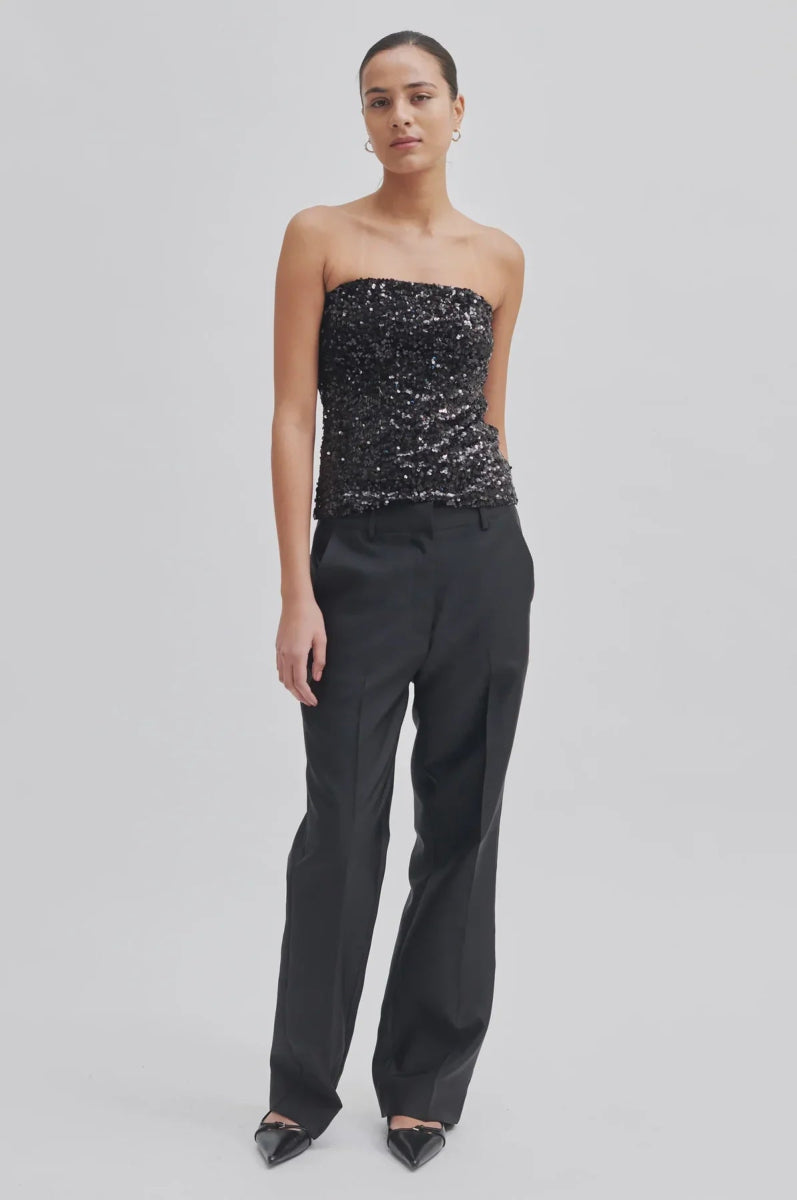
3. Trousers and denim. Structured construction and a cut that can be tailored are what separate trousers you’ll wear for a decade from those you’ll retire in a year. Edito’s Amaze Cargo Trousers in Beige show the formula: a considered waistband, enough fabric weight to hold a crease, and a silhouette that works equally with boots or loafers. If you’re deciding where else in your wardrobe to spend more, the Elegance Pants in black from Second Female follow the same logic.
4. Outerwear. Classic silhouette and correct proportion matter more than trend details, because a coat cut for this season looks dated within two. Look for structured shoulders and a length that sits well against your typical layering.
5. Dresses. The most efficient dresses do double duty across day and evening. Edito’s Elorina Dress in Navy works as an easy weekday option, while the Buenasera Dress in Serra has enough polish to carry into evening with the right accessories.
6. Accessories. A silk scarf, a structured bag and minimal jewellery do more per dollar than almost anything else in a capsule. The Mini Tempo Silk Scarf in Blue, the Blossom Small Shoulder Bag in Burgundy and the Diamond Arrow Hoops each lift a plain base outfit without adding bulk to a suitcase.
Pro Tip: Buy the accessory before the statement piece. A well‑chosen scarf or bag can update three or four basics you already own, which stretches your cost‑per‑wear further than another dress ever will.
How do you choose which basics are worth the investment?
Run every potential purchase through a simple test: price divided by expected wears. A $220 knit worn weekly for three winters costs roughly $1.40 per wear, while a $60 knit that pills after ten wears and gets discarded costs $6. The maths, not the sticker price, tells you which is the better buy.
Before you commit, check fit properly:
- Shoulder seams should sit exactly at the shoulder point, not drooping past it.
- Sleeve and hem length should suit your proportions without alteration, or with only minor tailoring.
- Fabric should drape rather than cling or stand away from the body stiffly.
Not every category deserves premium spend. Category-level analysis suggests tees show only marginal quality gains past a certain price point, while knitwear and trousers benefit more from higher spend because construction and fibre quality compound over time. A useful rule: splurge on knitwear, trousers and outerwear; stay mid‑tier on tees and basic layering pieces, and let accessories do the elevating.
Which fabrics justify spending more, and how do you care for them?
Fine merino, cashmere, Pima cotton and quality silk earn their price because they resist pilling, hold shape and soften with wear rather than degrading. Style editors testing luxury basics consistently point to natural fibres and hand‑finished construction as the features that make premium pieces worth paying for, particularly for sensitive skin and long-term wear.
Care rules vary by fibre:
- Cashmere and merino: hand wash cold or use a wool cycle, always dry flat, never on a hanger.
- Pima cotton: machine wash cold, inside out, to protect colour and weave.
- Silk: dry clean or hand wash with a silk-specific detergent, and iron on low with a cloth barrier.
- All natural fibres: store with cedar blocks, not mothballs, and use padded hangers for structured pieces.
Repair before you replace. A loose hem, a dropped stitch or a stuck zip is usually a $20 fix, and a good tailor extends a garment’s life far more cheaply than buying new. Pro Tip: Mend small snags in knitwear the week you notice them. Left alone, a single pulled thread unravels a seam within a few wears.
How do you style elevated basics for work, weekends and travel?
A handful of well‑chosen pieces genuinely can carry an entire week if you know a few reliable formulas.
- Tee, tailored trousers, structured bag: a clean office base.
- Knit, denim, silk scarf knotted at the neck: elevated weekend.
- Navy dress, hoops, flat sandals: easy daytime polish.
- Same dress, heels, statement earrings: evening in ten minutes.
- Shirt, cargo trousers, loafers: relaxed but put‑together.
- Knit layered under a coat, scarf as a bag charm: transitional dressing.
- Dress with a belt cinched at the waist for definition: instant shape change.
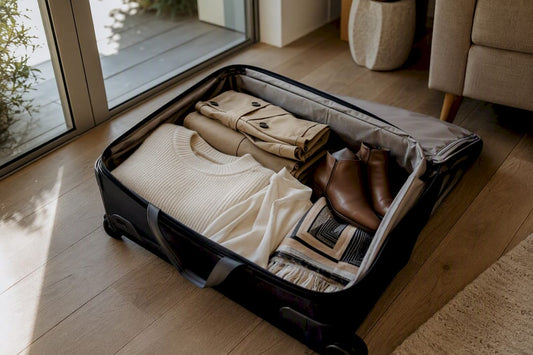
- Tee under a blazer, minimal jewellery: travel-day uniform that doesn’t crease.
Swap the scarf for texture in winter and leave it loose over shoulders in warmer months; footwear does most of the seasonal heavy lifting otherwise. One tip worth remembering: a single structured bag in a rich colour, like burgundy, does more to lift a plain outfit than adding another basic ever will.
Why trust Edito’s curation of elevated basics?
Edito’s boutique in Brisbane, and its online edit for women across Australia, is built on the same logic this guide follows: fabric, provenance and craftsmanship first, trend second. The collection draws on French and European labels including Sœur, Sessùn, BA&SH, Vanessa Bruno, Sita Murt and Essentiel Antwerp, selected for pieces designed to be worn for years, not seasons.
Elevated basics only earn the name when the fabric, cut and finish hold up to real, repeated wear. That’s the standard we apply to every piece we bring into the edit.
This guide’s author, Mickael Martin, draws on Edito’s ongoing work sourcing and selling European designer fashion to Australian women who want fewer, better pieces.
How do you build a capsule wardrobe around elevated basics?
Start with what you already reach for most, not an idealised list from a magazine. Advisory guidance on wardrobe building consistently points to the same principle: elevated basics work best when they solve the dressing problems you actually have, so audit a fortnight of outfits before buying anything new.
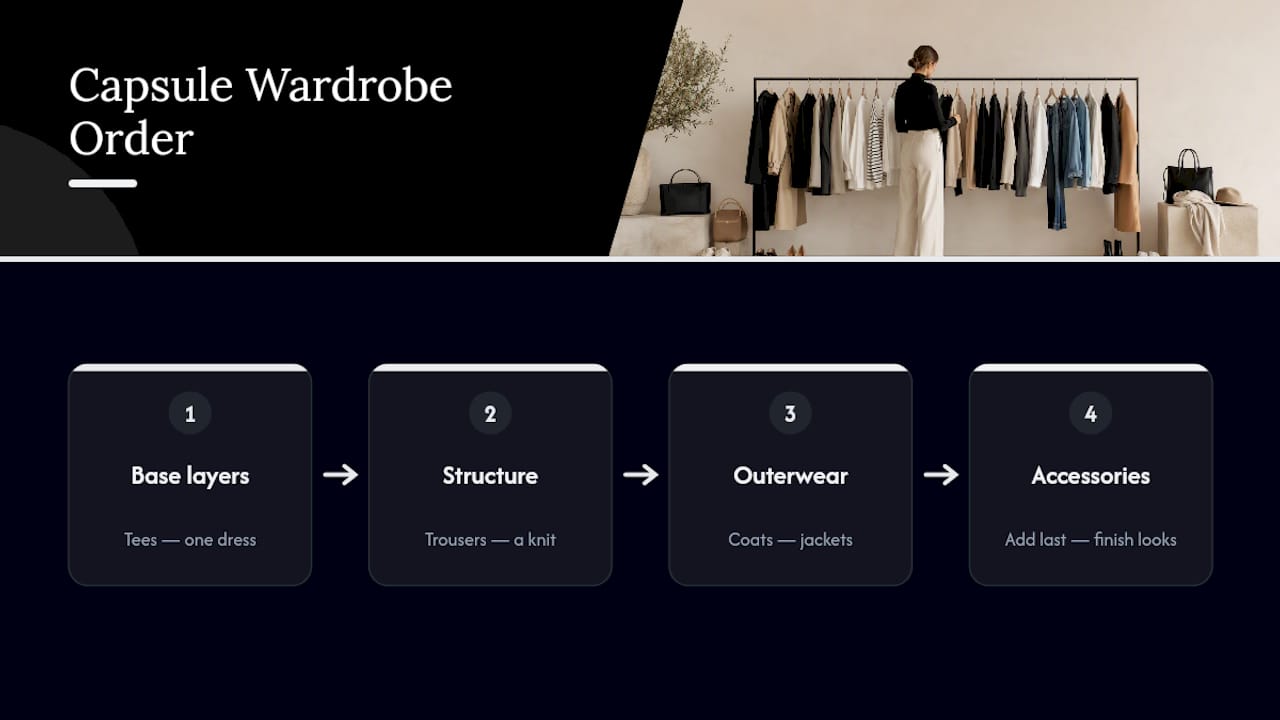
Once you know your real gaps, build in this order: base layers (tees, one dress), then structure (trousers, a knit), then outerwear, then accessories last. This mirrors the 3‑3‑3 dressing formula journalists have covered, where a small, fixed number of pieces gets remixed deliberately rather than expanded endlessly. Aim for a core of around 10 to 15 elevated pieces that cross seasons, plus two or three seasonal swaps (a heavier coat, sandals, a lighter scarf).
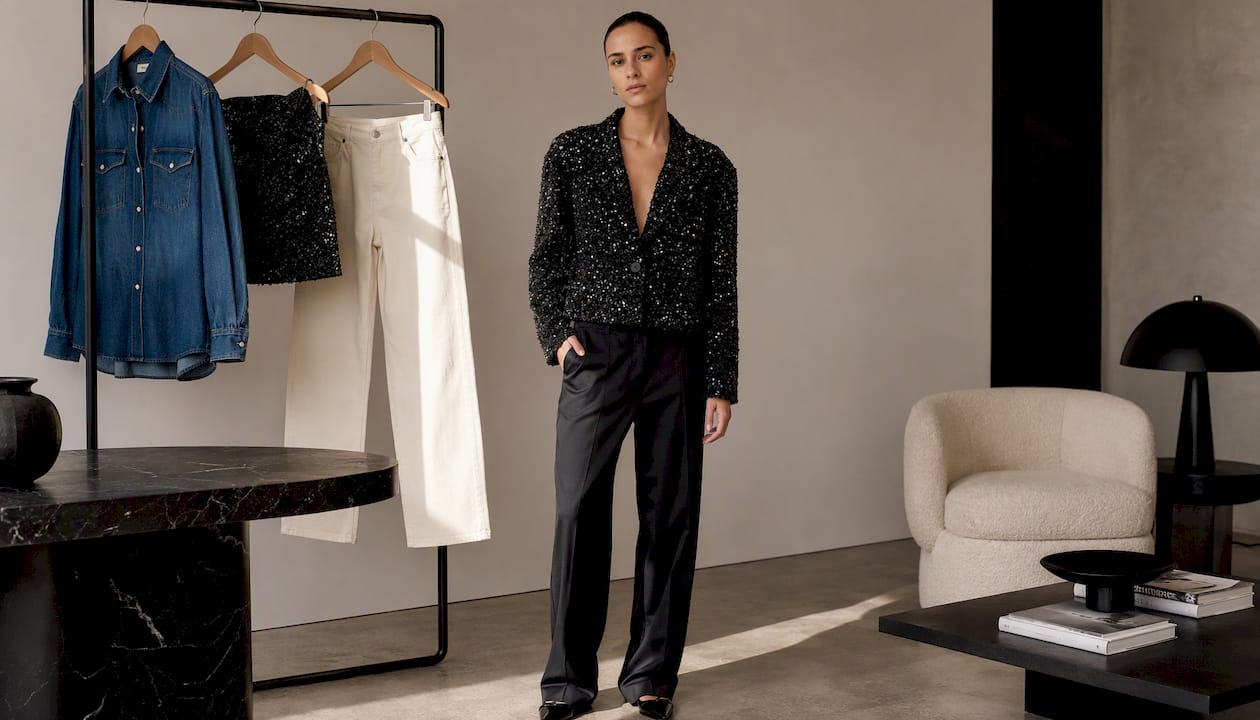
Resist buying a full capsule in one sitting. An editorial experiment introducing a handful of investment basics found that outfit cohesion and confidence improved noticeably with selective additions, not a wholesale wardrobe overhaul. Add one piece at a time, wear it hard for a month, and only then decide what’s missing. A capsule built this way tends to fit your actual life, rather than an ideal of it, which is the entire point of buying fewer, better things.
An honest take on what actually makes basics “elevated”
The conventional advice on elevated basics leans too heavily on price as a proxy for quality, and that’s a mistake worth correcting. A $400 tee with a poor neckline is not elevated; a $90 tee in dense, well‑finished cotton often is. What the evidence in this guide actually supports is narrower and more useful: fabric weight, construction and fit predict longevity far more reliably than the number on the price tag.
Where most guides fall short is treating every category as equally worth the splurge. It isn’t. Knitwear and trousers reward higher spend because fibre and construction compound over years of wear; tees and simple layers often don’t need the premium version to perform well. If you take one thing from this, prioritise your knit and your trousers first, and let a great scarf or bag do the elevating on everything else. That’s a cheaper, smarter capsule than chasing an expensive version of every category at once.
— Mickael Martin
Shop the pieces from this elevated basics edit
Every piece named in this guide is available through Edito’s curated edit, and each earns its place for a specific reason rather than as a blanket recommendation. The Elorina Dress in Navy and Buenasera Dress in Serra cover the day‑to‑evening dress category, while the Amaze Cargo Trousers in Beige deliver the structured tailoring this guide flags as worth the spend.
For shirting, the Floco Floral Shirt in Sand and Jo Shirt offer two different takes on an elevated everyday shirt, one printed, one graphic. Round out the edit with accessories that do the heaviest lifting per dollar: the Diamond Arrow Hoops, the Blossom Small Shoulder Bag in Burgundy and the Mini Tempo Silk Scarf in Blue. Unlike a mass‑market retailer restocking the same silhouettes every season, Edito’s edit changes with genuine European collections, so what you see reflects real seasonal curation rather than a permanent catalogue. Browse the full European designer edit to see how these pieces sit alongside the rest of the current collection, and start with the one category from this guide you’re most overdue to replace.
Sources
- No. 1 factor to consider when investing in new clothes
- Can investment basics transform your wardrobe? - Vogue
- What ‘Elevated Basics’ Actually Means, With Prices - Modern Monclaire
FAQ
What is the 3‑3‑3 rule for clothes?
It’s a wardrobe formula where you dress from a fixed, small set of pieces (often 3 tops, 3 bottoms, 3 pairs of shoes) rotated deliberately over a set period, as covered in dressing formula journalism, to force more mileage from fewer garments.
Are elevated basics worth the investment?
Yes, when judged by cost‑per‑wear rather than price alone. A durable, frequently worn piece in quality fabric often works out cheaper per wear than several inexpensive versions that wear out quickly.
What are the best high-quality basics for women?
Prioritise a dense-weight tee, fine merino or cashmere knitwear, structured trousers, one versatile dress and a handful of accessories like a silk scarf and structured bag, all chosen for fabric and fit rather than logo or trend.
What are the best brands for elevated basics?
Edito’s curated edit features European labels such as Sœur, Sessùn, BA&SH, Vanessa Bruno, Sita Murt and Essentiel Antwerp, each selected for fabric quality, considered fit and construction built to outlast a single season.