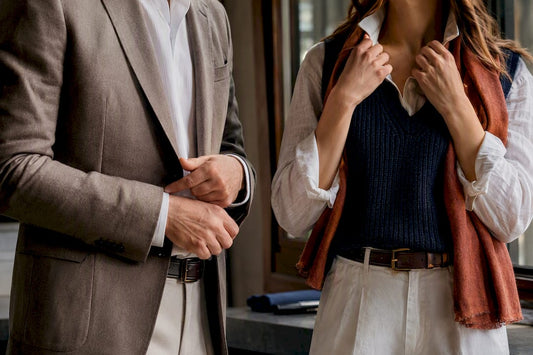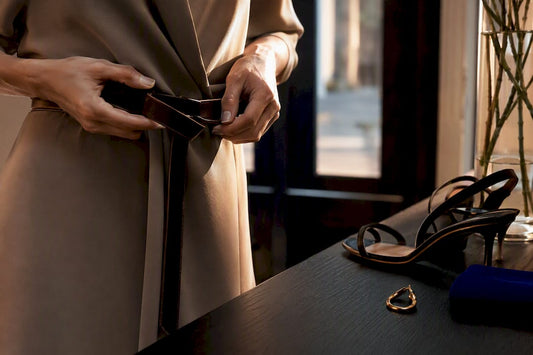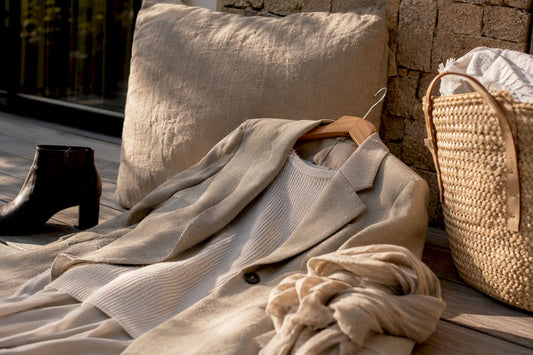

A quiet luxury outfit relies on logo-free pieces, timeless silhouettes and visible quality in the fabric and stitching rather than any branding. The one rule that matters most: invest in fit and three neutral anchors (a coat, a knit, a well-cut trouser) before you buy anything else. A curated European edit can be built around exactly this philosophy, favouring craftsmanship over branding.
TL;DR:
- Prioritize quality fabrics, precise fit, and thoughtful tailoring, as these details are the key indicators of expensive-looking quiet luxury clothing.
- Build a capsule wardrobe around a coat, knit, and tailored trousers, replacing or layering these pieces seasonally to maximize versatility across the year.
- Focus on logo-free, classic pieces such as a white shirt, camel coat, and loafers, ensuring each item can coordinate in multiple outfits for long-term wear.
- Spend more initially on essential items like the coat and shoes, then fill in with mid-range pieces and secondhand options to stay within budget.
- Select European brands that emphasize craftsmanship over branding to curate a sustainable, understated wardrobe aligned with quiet luxury principles.
Table of Contents
- What makes an outfit read as quiet luxury?
- Core capsule pieces that build a quiet luxury wardrobe
- Outfit formulas you can copy this week
- Fabric, fit and finish: what actually reads as expensive
- Building quiet luxury on any budget
- Edito’s quiet luxury picks and how to style them
- Why quiet luxury outlasts most trends
- Shop the quiet luxury edit at Edito
- Sources
- FAQ
What makes an outfit read as quiet luxury?
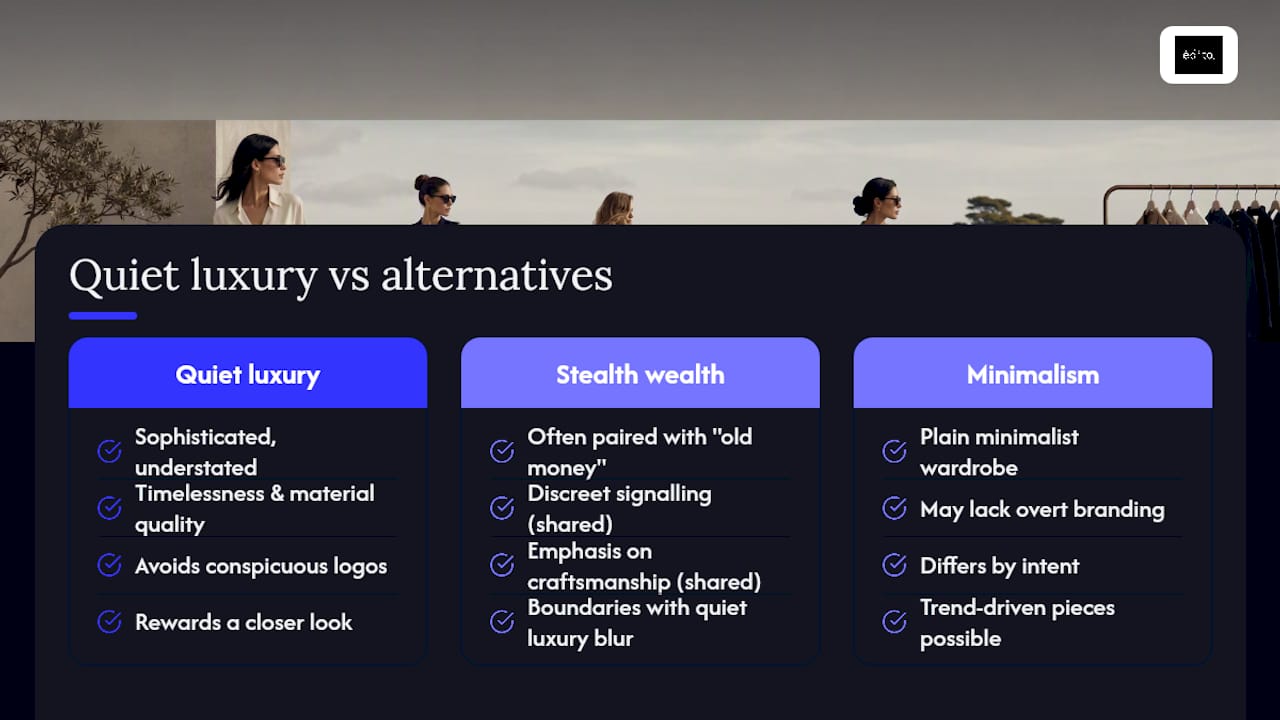
Quiet luxury is sophisticated, understated clothing that prioritises timelessness and material quality while avoiding conspicuous logos. It is the opposite of clothing designed to be recognised at twenty paces. Instead, it rewards a closer look. A well-cut wool coat, a silk shirt with proper drape, a cashmere jumper that holds its shape after a dozen wears. These read as expensive because they are made well, not because they carry a monogram.
The aesthetic is often set against “stealth wealth” or “old money” dressing, though the boundaries blur. All three share discreet signalling and an emphasis on craftsmanship over overt branding. What separates quiet luxury from a plain minimalist wardrobe is intent: every piece is chosen because it will still look right in five years, not because it is on trend this season.
Logos are the clearest thing to avoid. Editors consistently point to logo-less pieces and subtle craftsmanship as the aesthetic’s real signifiers, which means a hardware-heavy bag or a branded hem defeats the purpose even if the garment is otherwise well made. The trend has also been read as a cultural revival of restrained, high-quality dressing, a reaction against clothing designed purely to broadcast price.
Core capsule pieces that build a quiet luxury wardrobe
A working quiet-luxury wardrobe usually sits around a moderate number of pieces, chosen for how well they combine rather than how many outfits they can wear on their own. Editorial staples lists consistently point to a short set of anchors that do most of the heavy lifting.
- White shirt — crisp cotton or silk, the base layer under almost everything else.
- Cream knit — cashmere or merino, worn alone or layered under a coat.
- Camel coat — the single most photographed quiet-luxury piece, and for good reason.
- Tailored trousers — wool or a wool blend, cut to sit cleanly at the waist.
- Navy blazer — softer shoulder than a corporate cut, worn open over knitwear.
- Silk blouse — fluid drape, minimal detailing, works dressed up or down.
- Midi skirt — column or A-line, in a fabric with weight.
- Quality loafers — leather, low heel, the workhorse shoe of the whole wardrobe.
- Structured tote — logo-free, in leather or a durable canvas blend.
- Neutral sandals — for warmer months, kept simple and low.
- Cashmere crewneck — a second knit in a different neutral for rotation.
- Long cardigan — worn open as a layering piece over trousers or a dress.
Each piece earns its place by working with at least four others in the list. The camel coat sits over the blazer or the knit; the loafers anchor both the trousers and the midi skirt. Material and cut do the talking: a fine merino gauge, a trouser that breaks cleanly at the ankle, a coat with a proper roll to the lapel.
Pro Tip: Buy your first coat and your first pair of loafers in the neutral you wear most often, not the one that photographs best. You will reach for it more.
Outfit formulas you can copy this week
An outfit formula is simply an anchor piece, two considered swaps, and a shoe and bag choice that ties it together. Keep the palette tonal (cream on cream, navy on stone) most days, and save contrast for the one piece you want noticed.
- Work: navy blazer + cream silk blouse + tailored trousers + loafers + structured tote.
- Weekend: cashmere crewneck + straight-leg trousers + white sneakers + smaller cross-body bag.
- Travel: long cardigan over a knit + wide-leg trousers + loafers + oversized tote as your carry-on.
- Evening: silk blouse + midi skirt + heeled mule + one statement earring, nothing else.
- Warm-weather errand: linen shirt + neutral sandals + raffia tote + tailored shorts.
- Cool-day layering: camel coat over the cream knit + midi skirt + ankle boot.
The rule editors return to again and again is one power piece only. A single discreet watch or a structured bag does more for the outfit than layered jewellery, because quiet luxury reads as considered restraint rather than an absence of effort.
To move a look between seasons, keep one knit, one shirt and one tailored trouser as your base, and swap only the outer layer, shoes and bag. That three-item swap is the fastest way to stretch a small wardrobe across an Australian year, from Brisbane’s mild winters through to a humid February.
Pro Tip: If you only own one “pop” colour, keep it to a bag or a shoe rather than a garment. It reads as a considered choice, not a departure from the palette.
Fabric, fit and finish: what actually reads as expensive
Fabric weight and hand-feel matter more than the label sewn inside. Tighter gauge cashmere or merino with a higher yarn count will hold its shape through a season of wear, while a loose, thin knit pills and loses structure within weeks.
- Wool and cashmere for coats and knits, prioritising drape and warmth without bulk.
- Silk and fine cotton for shirts and blouses, where the fabric needs to move with the body.
- Fit over size: check the shoulder seam sits at the natural shoulder point, the waist follows your actual waistline, and hems land at the ankle bone rather than mid-calf.
- Tailoring fixes: a shortened hem, a nipped waist or an adjusted sleeve length are the cheapest ways to make an existing piece look considerably more expensive.
- Finish details: minimal hardware, covered buttons, and seams that lie flat rather than puckering after one wash.
A $200 trouser that has been taken in at the waist by a tailor will often outperform a $600 trouser bought straight off the rack in the wrong size.
Building quiet luxury on any budget
Spend first on the pieces you wear most and replace least often. A coat, a good knit and a pair of leather shoes typically carry the lowest cost-per-wear across a wardrobe, because they get repeated use across years rather than seasons. Everything else can flex with your budget.
- Investment first: wool or cashmere coat, one structured bag, one pair of leather shoes.
- Mid-range: tailored trousers, silk blouses, a second knit in a rotating neutral.
- Accessible: basic tees, camisoles, seasonal accessories, and secondhand finds for coats or bags with good bones.
Budget guides consistently frame this as a three-tier build rather than an all-or-nothing purchase, which means you can start with one investment coat this year and fill in the mid-range pieces as budget allows.
Edito’s quiet luxury picks and how to style them
An edit of European labels can lean naturally toward this aesthetic, aligning focus on craftsmanship and quality over branding with what quiet luxury asks for. Two current pieces show how a single blouse can carry several outfits.
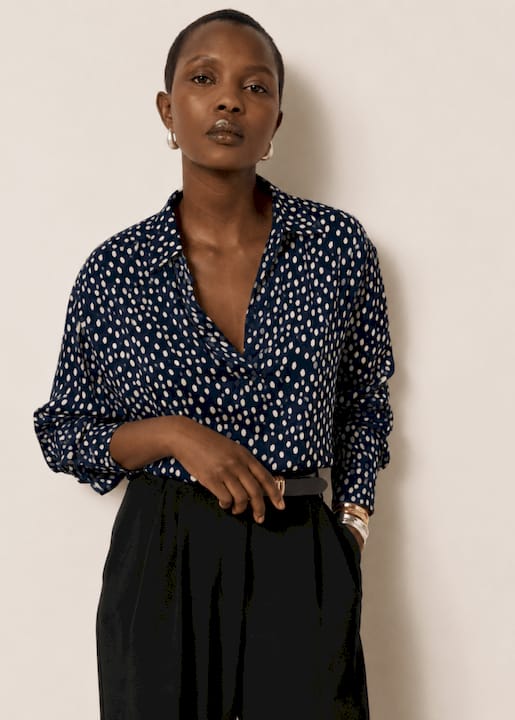
- The Chorus Blouse in Navy/White works as a tonal layer under the navy blazer for work, or on its own with tailored trousers and loafers for a weekend lunch.
- The Bell Blouse in Olive brings a muted colour note into an otherwise neutral outfit, worn under the camel coat or tucked into a midi skirt for evening.
- Pair either blouse with a structured tote and quality loafers to keep the whole look logo-free and considered.
Why quiet luxury outlasts most trends
Trends built on visible logos or a single “it” item date quickly; quiet luxury dates slowly because it was never about being recognised in the first place. The risk is copying the surface signals (beige everything, a single brand of loafer) without the fit and fabric quality underneath, which flattens the whole point. Rotate your coat, knit and trouser anchors seasonally rather than replacing them, and let quality do the work a logo used to do.
— Mickael Martin
Shop the quiet luxury edit at Edito
It is an alternative to hunting through fast-fashion racks for quiet luxury basics: a curated edit of French and European labels chosen for craftsmanship and enduring wearability, available online or in a Brisbane boutique.
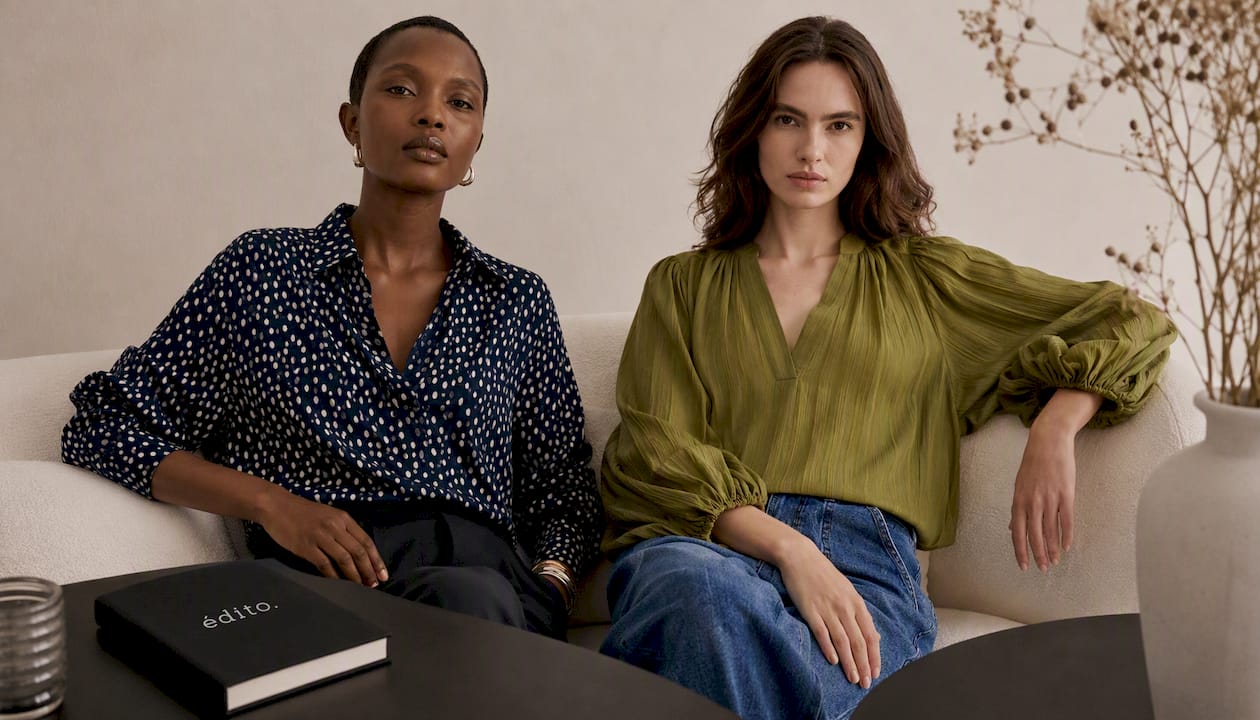
Both pieces from this guide, the Chorus Blouse and the Bell Blouse, are part of the current collection, alongside a broader range of tops, pants and dresses built for the same tonal, logo-free approach. For structured bags and finishing pieces, browse the accessories collection. Check shipping timeframes and returns on the site before you order, then start with one anchor piece from the clothing collection and build outward from there.
Sources
- EHL insights: quiet luxury
- Who What Wear: Quiet luxury staples
- Business Insider: Quiet luxury explained
- Wikipedia: Quiet luxury
FAQ
What is a quiet luxury outfit?
A quiet luxury outfit is one built from logo-free, well-cut pieces in neutral tones, where quality shows up in the fabric and finish rather than in branding. Think a wool coat, a silk shirt and tailored trousers rather than anything with a visible logo.
What is the 3-3-3 rule for clothes?
The 3-3-3 rule is a packing and wardrobe-editing method where you build outfits from 3 tops, 3 bottoms and 3 pairs of shoes for a set stretch of time, forcing interchangeable pieces. It is not a quiet luxury specific rule, but the same logic (fewer, better pieces that mix freely) underpins the capsule approach described above.
What are some quiet luxury clothes brands?
Quiet luxury is defined more by design philosophy than any single label, and it spans both established heritage houses and independent European brands that favour understated tailoring over branding. Edito’s edit of European labels, chosen for craftsmanship and quality, sits comfortably within that same philosophy.
How do you get the quiet luxury look?
Start with fit: have a tailor adjust hems and waists on pieces you already own, then build outward from a coat, a knit and a tailored trouser in the same neutral family. Avoid visible logos and heavy hardware, and keep accessories to one power piece per outfit.
## Recommended

- [Shop French Fashion in Australia: Six Outfit Formulas and Edito Picks](https://edito.com.au/blogs/guide/french-fashion-australia)
- [4 Outfit Formulas to Style Knitwear for Australian Women](https://edito.com.au/blogs/guide/how-to-style-knitwear)
- [12 piece Australian summer wardrobe with European polish](https://edito.com.au/blogs/guide/australian-summer-wardrobe)
- [Trans-seasonal dressing in Australia: a practical capsule approach](https://edito.com.au/blogs/guide/trans-seasonal-dressing-australia)