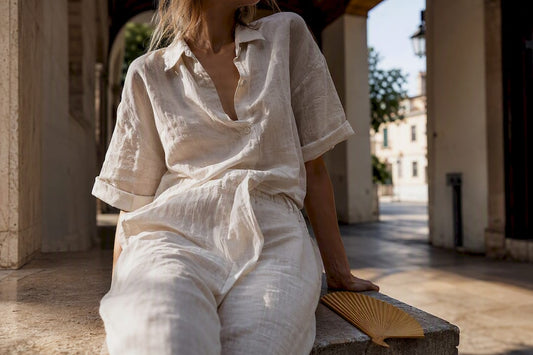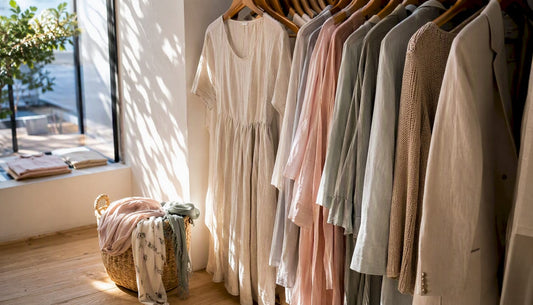

Build a linen-led capsule with a high-low mix: pair one or two elevated pieces, like tailored trousers or a good shirt, with relaxed basics you can wear on rotation. Six to eight essentials do the heavy lifting: a linen shirt, a sundress, tailored shorts, lightweight trousers, a soft blazer, sandals, trainers, and a wide-brim hat. Several of these are available in European cuts, including two capsule starters, detailed further below.
TL;DR:
- Linen remains the top fabric choice for Australian summer comfort due to its breathability and fast-drying qualities, despite creasing.
- Spend on high-quality, well-cut essentials like a blazer, trousers, and sandals, while opting for more affordable trend items such as T-shirts and accessories.
- Genuine sun protection relies more on wide-brim hats and UPF-rated fabrics than on sunscreen alone, especially for long outdoor periods.
- European-style relaxed, well-constructed pieces in neutral tones and simple patterns are ideal for enduring Australian heat and current fashion trends.
Table of Contents
- What goes into an Australian summer wardrobe?
- How do you build a capsule that covers day, beach and evening?
- Which fabrics actually work in the heat?
- Outfit formulas you can copy today
- Where should you actually spend your money?
- What should you look for in swim and beachwear?
- Do wide-brim hats really make a difference?
- What colours and prints suit summer 2026?
- Is there a sustainable way to dress for summer?
- Which accessories earn their place in summer?
- How do you dress right for the occasion?
- What fabrics actually block UV rays?
- Author perspective: styling summer the European way for an Australian season
- Edito picks: capsule starters and where to buy them
- Sources
- FAQ
What goes into an Australian summer wardrobe?
A working summer wardrobe rests on breathable fabric, versatile silhouettes, and a handful of pieces that pull double duty. Get these ten right and you can dress for most of December through February without opening the wardrobe doors in despair.
- Linen shirt. Breathes in heat, works buttoned for the office or open over a swimsuit. Choose a relaxed fit that won’t cling once the humidity climbs.
- Sundress. One good midi dress in linen or light crepe covers lunch, errands, and warm evenings with barely any thought required.
- Tailored shorts. Cotton or linen blend shorts read smarter than denim and pair easily with a blazer for work-adjacent days.
- Lightweight trousers. Wide-leg linen or a linen blend trouser skips the sweat patches that plague fitted fabrics.
- Soft blazer. An unstructured linen or cotton blazer dresses up shorts and sundresses without adding heat.
- Simple tee or tank. Cotton jersey, cut generously, becomes the neutral base under everything else.
- Sandals. Leather slides or a low block heel that survive pavement, sand, and a work day.
- Trainers. A clean white or neutral pair for days that call for more walking than glamour.
- Wide-brim hat. Genuine sun protection that also happens to be the easiest way to look put together.
- Lightweight scarf or wrap. Doubles as sun cover, evening layer, and beach accessory.
Buy once, buy well on the pieces that touch your skin most: the shirt, the trousers, the dress. Cheap synthetic versions of these trap heat and pill within a season.
How do you build a capsule that covers day, beach and evening?
A summer capsule works when the maths is simple. Twelve pieces, mixed correctly, can cover three very different settings without feeling repetitive.
- Start with four neutrals: a linen shirt, lightweight trousers, tailored shorts, and a simple tee.
- Add two “hero” pieces you’d happily be photographed in twice in one week, such as a well cut blazer and a considered pair of trousers.
- Bring in one print or colour accent, a patterned sundress or a bold sandal, to stop the capsule looking flat.
- Round it out with footwear: sandals for day, trainers for errands, one dressier option for evenings.
- Finish with a hat, sunglasses, and one lightweight layer for air conditioning or a cooler coastal evening.
For travel, shrink this to a 3–3–3: three tops, three bottoms, and three pairs of shoes, mixed to produce multiple outfit combinations. Rotate pieces rather than wearing favourites twice in a row, since linen and cotton both need a rest day to release moisture properly. Hand wash or use a cold, gentle cycle, and air dry flat where possible. Quick-dry fabrics and breathable weaves matter more on the road than a bigger suitcase, according to packing guidance from Globetrotting and Glamour.
Which fabrics actually work in the heat?
Linen remains the standout choice for Australian summer comfort, prized for how it moves air against skin and dries fast after a wash. It creases, and that’s the trade off you accept: pressing it into submission in humidity is a losing battle, so treat the rumple as part of the look rather than a flaw to fix.
Cotton earns its place where you want more structure, a crisp shirt or tailored short that holds its shape through a work day. Crepe suits dresses that need to skim rather than cling, and a moisture-wicking blend helps if you’re active outdoors. PEROZ’s guide to dressing for Australian conditions points to breathable natural fibres and layering for regions where temperatures swing between morning and evening.
Wash linen on a cold, gentle cycle and skip the dryer’s high heat, which weakens the fibre over time.
Pro Tip: Hang linen damp rather than ironing it dry. The weight of the fabric pulls out most creases on its own, and you’ll save yourself ten minutes with an iron you didn’t need.
Outfit formulas you can copy today
Four combinations cover almost every summer occasion, and each one flexes with a single swap.
- Office or client lunch: midi dress with a soft blazer and leather slides. Add the blazer over bare shoulders for air-conditioned meeting rooms.
- Beach to lunch: swimsuit under a linen shirt or kaftan, straw tote, wide-brim hat. Add tailored shorts if lunch calls for slightly more polish.
For cooler evenings or heavily air-conditioned venues, a lightweight scarf or an unlined linen blazer solves the problem without you carrying a heavy jacket all day. Keep jewellery minimal in the heat, one statement earring or a single fine chain does more than a stacked wrist. Footwear should shift with the setting: sandals for anything outdoors, trainers for movement, a low block heel when the occasion asks for it. Industry stylists describe the current mood as effortless versatility, pieces that move from beach to lunch to evening without looking staged, and that’s the standard worth aiming for over anything fussier.
Where should you actually spend your money?
Spend on the pieces you’ll wear weekly and save on anything trend-led you might tire of by autumn. A well cut blazer, one pair of quality trousers, and sandals built to survive a summer of pavement and sand are worth the higher price tag. Everything else, the printed tee, the novelty sandal, can come from wherever suits your budget.
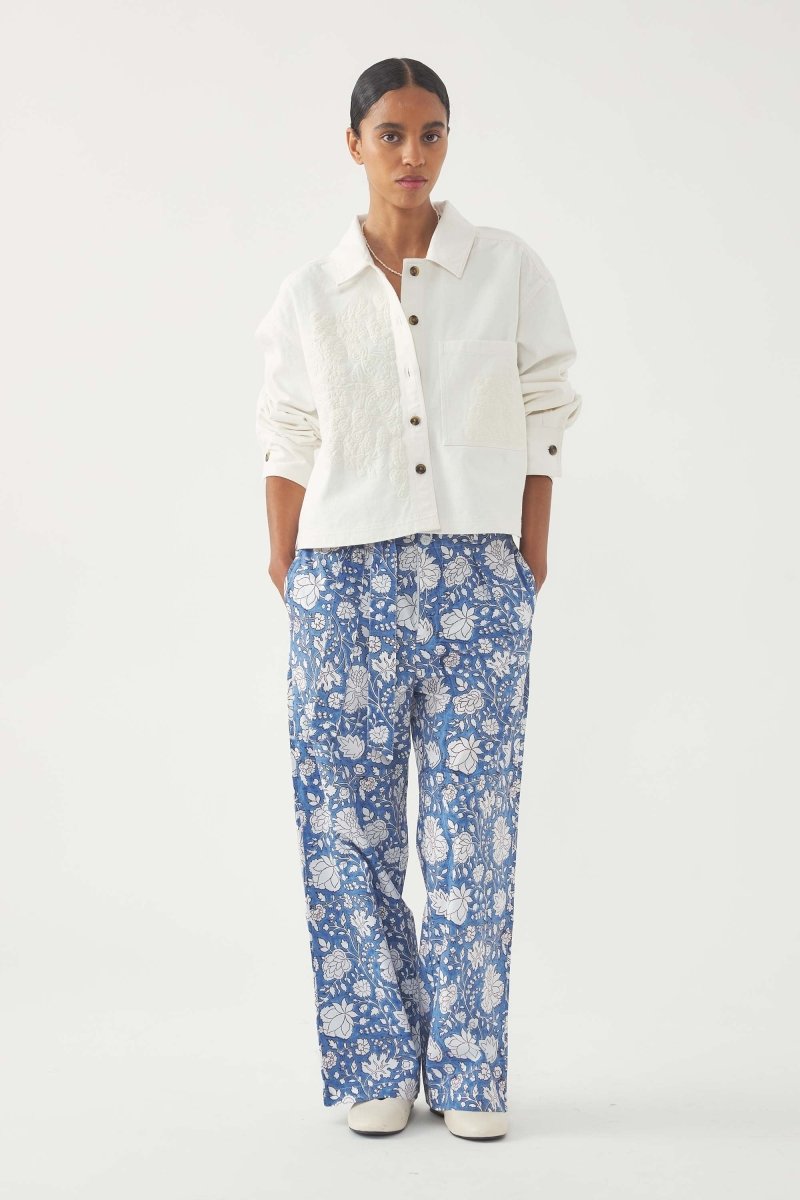
- The June Trousers in Blue work as one of those investment anchors, a linen blend cut that moves between desk and dinner without losing its shape.
- The Sidney Shirt in Azure slots in as the hero shirt in a high-low capsule, dressy enough alone, relaxed enough over swimwear.
- Check the fabric composition listed on any product page before buying. A blend with too much synthetic fibre will trap heat regardless of how good the cut looks on the hanger.
- Try trousers and shirts in your usual size first. European cuts often run closer to the body through the waist than Australian mass-market sizing, so read the size guide rather than guessing.
Quality sandals deserve the same scrutiny as tailoring. A leather sole that’s been resoled twice outlasts three seasons of cheap synthetic slides, which matters when you’re on sand and pavement in equal measure.
What should you look for in swim and beachwear?
Fit and fabric recovery matter more than trend prints when you’re buying beachwear that needs to survive an actual summer of use. Look for swimwear with good chlorine and salt resistance, since cheap lycra blends lose their shape within a handful of wears at the beach or pool.
A one piece with structured support suits days that involve actual swimming, while a bikini with adjustable ties gives more flexibility across different body shapes and tan lines. Consider buying separates rather than a matching set. Mixing top and bottom sizes solves the fit problems that plague one-size swimsuits, and it means you get more outfit combinations from fewer pieces.
Beyond the swimsuit itself, the cover up is where most of the summer wardrobe crossover happens. A linen shirt or kaftan worn open over a swimsuit takes you from the sand to a beachside lunch without a full outfit change, and it doubles as sun protection for the walk between the two. A lightweight sarong or wrap skirt works the same way and packs down small enough for a beach bag.
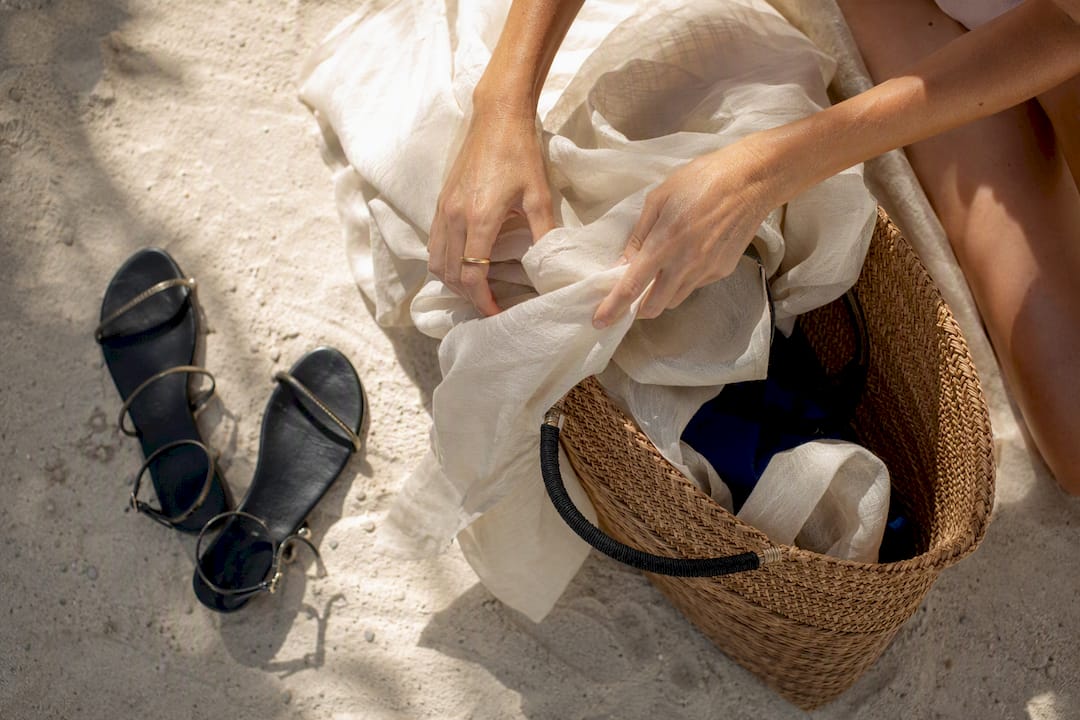
Rash vests and swim tops with built-in sun protection are worth considering for long days outdoors, particularly for anyone spending hours in the water rather than lying on a towel. They solve the reapplication problem that sunscreen alone can’t manage across a full day at the beach.
Do wide-brim hats really make a difference?
A wide-brim hat is the single most effective clothing item for sun protection you can add to a summer wardrobe, and it earns its place well beyond the aesthetic appeal. A wide brim shades the face, ears, and back of the neck, the areas most exposed during an ordinary day outdoors and most commonly missed by sunscreen application.
Straw and woven natural fibres work well for casual and beach settings, while a structured felt or cotton canvas hat holds its shape better for city wear and travel. Look for a tighter weave over a loose one if sun protection is the priority, since gaps in a loosely woven straw hat let UV rays through more than most people expect.
Dressing for Australian summer conditions means treating sun protection as a wardrobe decision, not an afterthought reached for only at the beach. A hat worn on the school run, at the markets, or walking to work does more cumulative protection work than one reserved for holidays. Pack a hat that can be rolled or packed flat if you’re travelling, since a structured hat that only survives in a hatbox rarely makes it into daily rotation.
What colours and prints suit summer 2026?
Brown has emerged as a genuine neutral for 2026, sitting alongside the usual whites and creams rather than replacing them, according to trend analysis from Australian Fashion Week. Expect it in linen trousers, woven bags, and sandals, a warmer alternative to black that suits Australian light better.
Sheer layering is another thread running through the season, worn over swimwear or slips rather than as outerwear proper. It’s a soft, practical way to add coverage without adding heat, and it photographs well against tanned skin and warm-toned neutrals.
Regional palettes differ more than most style guides admit. Coastal New South Wales leans toward a polished, put-together neutral palette, Queensland’s tropical climate supports brighter, punchier colour, and Victorian city dressing holds onto more considered, muted tones even through summer, based on practitioner reporting on 2026 trends. Wherever you live, that regional lens is worth applying before you commit to a palette wholesale.
Prints trend toward simple, considered placement rather than all-over pattern this season; a single printed piece against a neutral capsule reads more current than head-to-toe pattern. Trend coverage from Who What Wear points to coastal and resort influences translating into relaxed florals and stripe, worn sparingly rather than as the whole outfit.
Is there a sustainable way to dress for summer?
Buying fewer, better pieces is still the most reliable form of sustainable dressing available to any wardrobe. A linen shirt that lasts five summers beats five seasons of fast-fashion cotton blends that pill and fade within a year, both on cost per wear and on what ends up in landfill.
Look for natural fibres, linen, organic cotton, and viscose from responsibly managed forests, over synthetic blends that shed microplastics in the wash and don’t break down at end of life. Check care labels for fabric composition rather than assuming a “summer fabric” label means natural fibre. Many budget synthetic pieces are marketed for warm weather despite trapping heat the way natural fibres don’t.
European manufacturing, particularly from brands working with smaller production runs, tends to prioritise durability over disposability by design rather than as a marketing claim. That’s part of the case for buying fewer pieces from labels with a genuine craftsmanship focus rather than chasing every micro trend through a fast-fashion cycle. Repair and rewear extend a wardrobe’s life further than any single purchasing decision: a linen shirt with a loose button is a five-minute fix, not a reason to replace it.
Which accessories earn their place in summer?
Sunglasses do more work than any other summer accessory, and they’re worth choosing for genuine UV protection rather than style alone. Look for lenses labelled UV400 or offering 100% UVA and UVB protection, since darker tinted lenses without that rating don’t actually block harmful rays, they just make you squint less.
A lightweight scarf is the most flexible accessory in a summer capsule. Worn over shoulders for sun protection, tied to a bag for colour, or used as an evening layer over bare arms, it solves more problems than almost anything else you could pack. Choose silk or a fine cotton voile over anything heavier, since a scarf that traps heat defeats its own purpose in summer.
Beyond those two, keep jewellery pared back. A single statement earring, a fine chain, or one cuff does more for an outfit in heat than a stacked wrist that catches on everything and adds warmth you don’t want. A woven or raffia tote covers beach, market, and errand days in one piece, and it tends to soften even a fairly polished outfit.
How do you dress right for the occasion?
Casual days call for the capsule’s easiest combinations: linen shirt and shorts, a sundress with sandals, nothing that requires much thought before 9am. This is where trainers earn their keep, since a casual day rarely needs a heel.
Work dressing in Australian summer means solving for two climates in one day, the heat outside and the aircon inside. A soft blazer over a sundress or a linen shirt with tailored trousers handles both, and a scarf or light cardigan folded into a bag covers the meeting room that’s kept at seventeen degrees. Avoid anything sleeveless as your only layer if your office runs cold, since removing a blazer to reveal nothing warmer underneath is a common misstep.
Evening events ask for a small upgrade rather than a full wardrobe change. Swap sandals for a low heel, add a single piece of jewellery, and let the fabric do the rest of the work, a linen or crepe piece in a considered colour reads as dressed up without needing sequins or structure. For events with an evening chill, that lightweight scarf or blazer becomes essential rather than optional.
What fabrics actually block UV rays?
Not all summer fabrics protect skin equally, and colour and weave matter as much as fibre type. Tightly woven fabrics in darker or more saturated colours generally block more UV than loosely woven, pale fabrics, which is part of why a white cotton tee offers less real protection than most people assume.
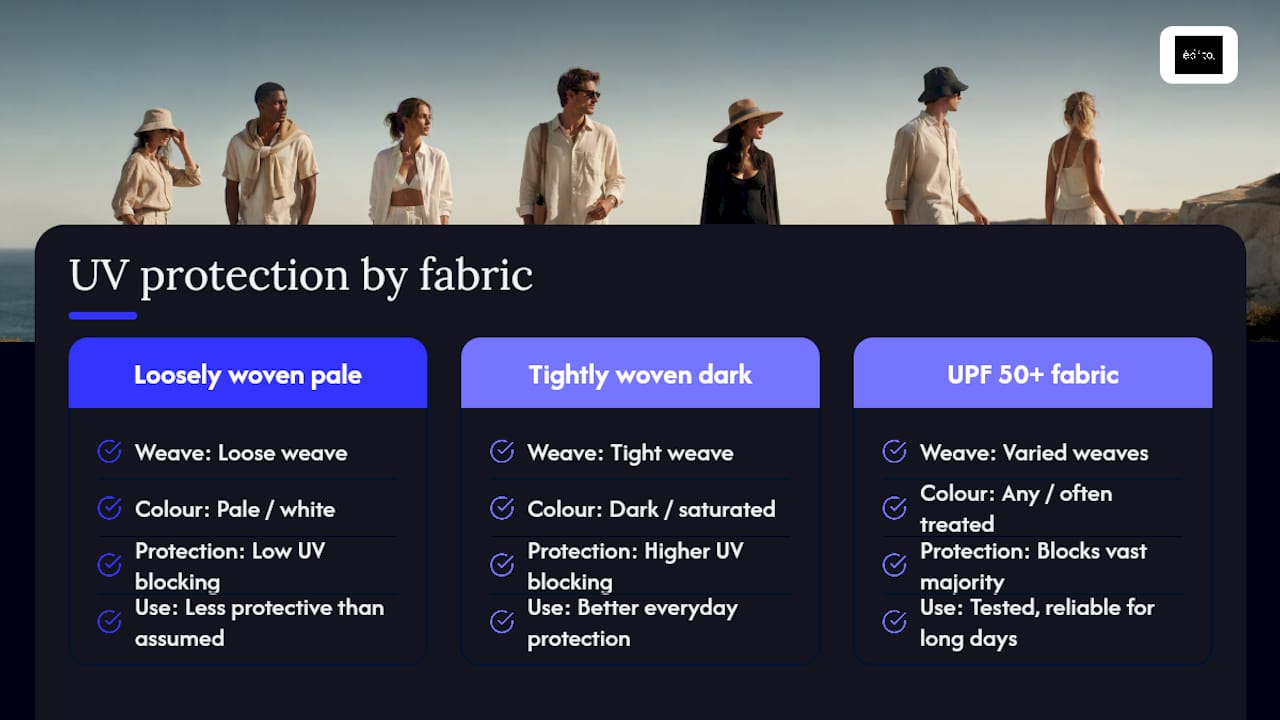
Garments carrying a UPF (Ultraviolet Protection Factor) rating are tested specifically for this, and a UPF 50+ rating blocks the vast majority of UV radiation, making it a genuinely useful label to look for in rash vests, swim cover ups, and activewear meant for long days outdoors. Linen offers moderate natural protection thanks to its density, though a lightweight, loosely woven linen offers less than a tighter weave of the same fibre.
For anyone spending long stretches outdoors, whether gardening, at the beach, or on a boat, a dedicated UPF-rated layer does more consistent work than sunscreen reapplied inconsistently through the day. Treat it as a genuine wardrobe category alongside your linen shirts and sundresses, not a specialist item reserved only for swimming.
Author perspective: styling summer the European way for an Australian season
The instinct in Australian summer dressing is often to chase the newest print or the loudest colour. What actually works, season after season, is closer to what European wardrobes have quietly understood for decades: a handful of well cut pieces in breathable fabric, worn with confidence rather than reinvented weekly.
The curation leans into that logic deliberately, choosing European cuts, generous through the body, considered in construction, that happen to suit Australian heat as well as they suit a Parisian summer. Craftsmanship and climate aren’t in conflict here. A well made linen shirt from a European atelier breathes exactly as well in Brisbane as it does anywhere else, and it tends to last considerably longer than a fast-fashion equivalent.
— Mickael Martin
Edito picks: capsule starters and where to buy them
Two pieces do most of the heavy lifting if you’re starting a capsule from close to scratch, and both solve a specific problem rather than adding to the pile.
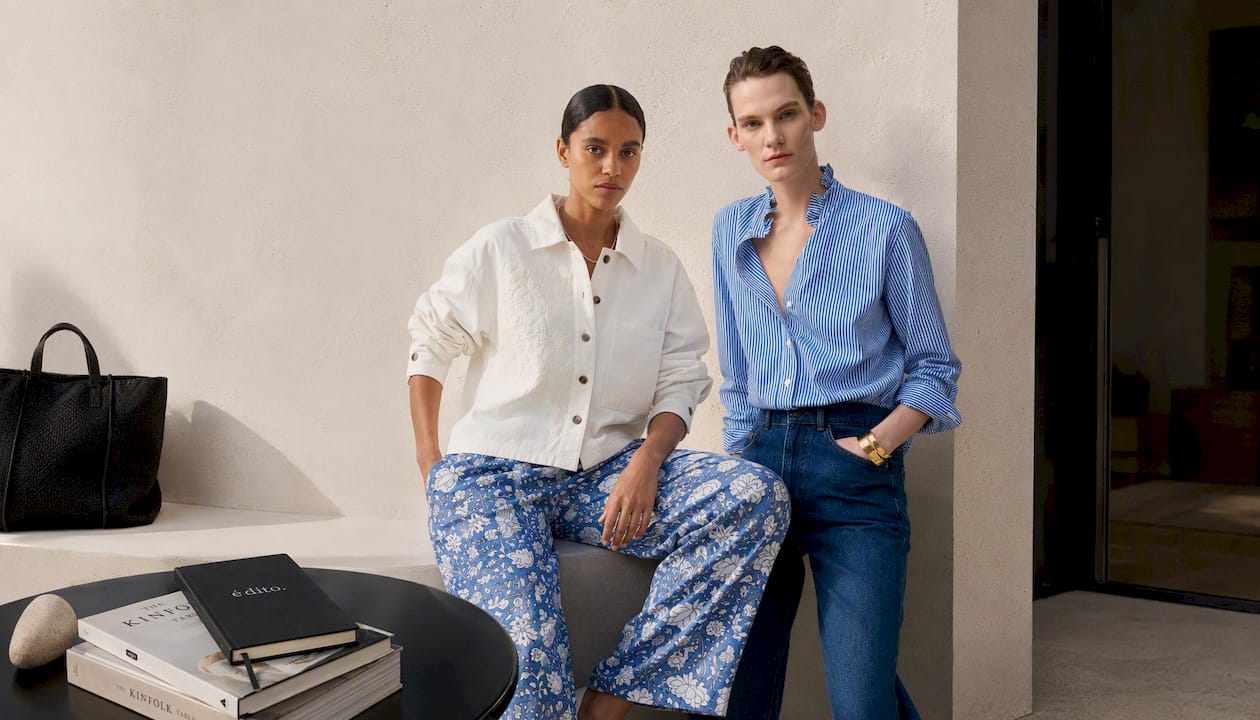
The June Trousers in Blue work as the trouser you reach for on repeat, smart enough for work, relaxed enough for a long lunch, and cut in a fabric that won’t wilt by 3pm. The Sidney Shirt in Azure covers the other gap, a lightweight shirt with enough presence to wear alone and enough ease to layer over swimwear or a slip dress. Together they form the backbone of a high-low capsule without either one feeling like a compromise.
European labels, including Sœur, Sessùn, BA&SH, Vanessa Bruno, Sita Murt, and Essentiel Antwerp, are curated for women who want fewer, better pieces rather than a wardrobe that turns over every season. Browse the current edit online or visit the boutique to see fabric and cut in person before you commit. If either the trousers or the shirt fit the gap in your own capsule, that’s the next step worth taking.
Sources
- Australian fashion week 2026 trends — Mamamia
- Summer fashion trends for 2026 — Matthew Cornell
- What to wear in Australia during summer — PEROZ
- Summer trends Australians actually wore — Who What Wear
FAQ
What do people actually wear in summer in Australia?
Most Australian summer wardrobes centre on linen and cotton separates, sundresses, tailored shorts, and sandals, layered with a wide-brim hat and sunglasses for daily sun protection.
What is the 3-3-3 rule for packing summer clothes?
The 3-3-3 rule means packing three tops, three bottoms, and three pairs of shoes, mixed together to create around fifteen outfit combinations from nine pieces.
What are the biggest summer 2026 fashion trends in Australia?
Relaxed tailoring, brown as a core neutral, and sheer layering define the season, alongside a continued preference for linen separates and coastal-influenced colour palettes.
How can I dress to look slimmer in summer?
Structured, unlined pieces like a soft blazer or wide-leg trousers create a cleaner line than clingy fabrics, and a single elevated piece paired with relaxed basics, Edito’s high-low approach, tends to read more polished than an outfit that’s uniformly fitted.