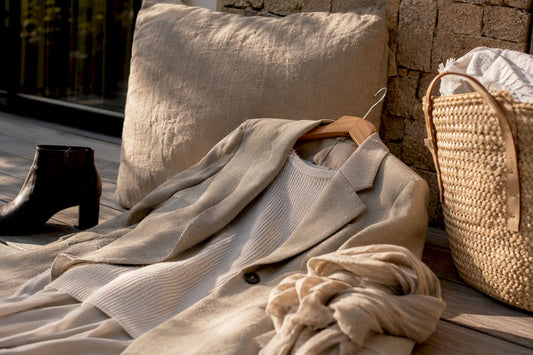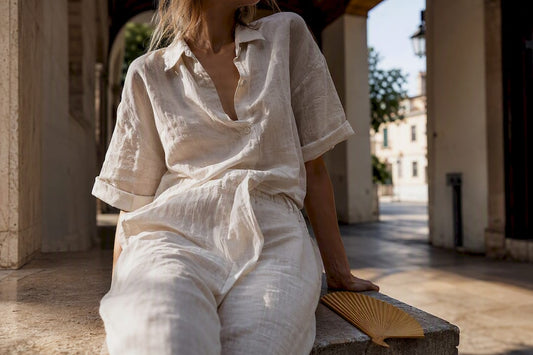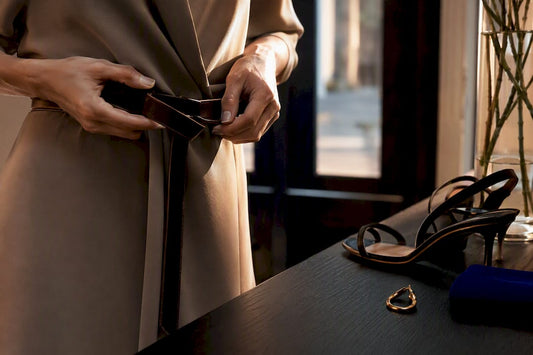

The simplest approach to autumn dressing across Australia comes down to three formulas: a slip dress layered under a fine knit for mild days, a crisp shirt beneath a tailored coat for the office, and merino layers topped by a lightweight shell for unpredictable commutes. Each suits a different temperature band and occasion, and as Edito’s Mickael Martin notes, the right formula depends less on the calendar than on what the Bureau of Meteorology says the morning will bring. This guide covers the swaps, palettes and shopping picks that make each one work.
TL;DR:
- Layer adaptable pieces like slip dresses under knits for mild days or shirts under coats for office warmth, depending on the weather swing.
- Use three adjustable layers—a base, mid, and outer layer—as the key to comfort, especially with the daily temperature fluctuations in Australia.
- Opt for textures such as merino, suede, and leather to add visual depth without heavy bulk, supporting a climate that rarely calls for a heavy coat.
- Invest in versatile, well-made basics like neutral knits and tailored coats to create multiple outfits, reducing overall wardrobe cost and waste.
- Prioritize sustainable choices such as natural fibers and support Indigenous designers, as these add ethical value and durability to a seasonally adaptable wardrobe.
Table of Contents
- 1. Eight outfit formulas to copy, from dressed up to casual
- 2. Layering rules for Australian autumn conditions
- 3. Seasonal colour palettes and textures for 2026
- 4. Fabrics, fit and care for layering pieces
- 5. Accessories that modernise an autumn outfit
- 6. Where to buy: curated picks for shopping trans-seasonally
- 7. Adapting outfits for indoor versus outdoor days
- 8. Budget-friendly outfit ideas for the season
- 9. Sustainable and ethical options for an Australian autumn
- A stylist’s note on dressing for the season
- Edito’s quick shop: curated autumn essentials
- FAQ
- Sources
1. Eight outfit formulas to copy, from dressed up to casual
Autumn in Australia rarely behaves itself. A morning that calls for a coat can turn into an afternoon that wants bare arms, which is exactly why a formula, rather than a fixed outfit, earns its place in a capsule wardrobe. Each of the following pairs a base, a mid layer, an outer piece, footwear and one accessory, with notes on when to reach for it.
- Silk slip and fine knit. A silk slip dress under a cropped merino knit suits mild days typical of many Australian autumns and transitions from desk to dinner with a swap of shoes.
- Crisp shirt and tailored coat. A cotton poplin shirt tucked into trousers, finished with a longline coat, is the formula for an office day with a morning chill and a milder afternoon.
- Knit dress and ankle boots. A ribbed knit dress worn alone on warmer days or with opaque tights once the temperature drops below 15 degrees covers both ends of an unpredictable week.
- Wide-leg trousers and fitted top. Pairing a close-fitting top with wide-leg trousers balances proportion when a blazer gets added for cooler evenings.
- Denim and leather jacket. For weekend errands, straight-leg denim with a fitted top and a leather or suede jacket reads casual without looking undressed.
- Midi skirt and roll neck. A fine merino roll neck tucked into a midi skirt is a quietly elegant option for lunch or gallery visits, especially once a trench gets added.
- Layered shirting. Two lightweight shirts, one worn open over a fitted camisole, create warmth without the bulk of a jumper, useful for the 10 to 15 degree mornings common in southern capitals.
- Blazer over dress. A structured blazer thrown over a slip or shirt dress turns a summer piece into an autumn one instantly, no new wardrobe required.
For the knit layers in formulas one, three and seven, styling knitwear with outfit formulas offers further pairing ideas, while Edito’s dresses, tops and pants collections cover most of the slots above.
2. Layering rules for Australian autumn conditions
Trans-seasonal dressing in Australia asks for a different logic to a European autumn, where the temperature falls steadily and stays down. Here, it swings. The Bureau of Meteorology’s autumn 2026 summary for Melbourne recorded above-average mean temperatures alongside marked daily fluctuation, which is the clearest argument yet for building outfits in three adjustable layers rather than one fixed one.
- Base layer: a breathable fabric such as cotton or fine merino sits against the skin and manages temperature without bulk.
- Mid layer: a lightweight knit or shirt adds warmth that can be removed the moment the sun comes out.
- Outer layer: a trench, cropped jacket or light coat blocks wind without trapping heat, and should pack down small enough to carry once discarded.
Fit matters as much as fabric. Sleeves on a mid layer should sit slightly shorter than the outer piece so cuffs do not bunch, and hemlines work best when each layer is a touch longer than the one beneath it. A tote with room for a folded jacket solves the “too warm by midday” problem that catches so many commuters out.
Pro Tip: Check the Bureau of Meteorology forecast each morning and plan three checkpoints: a mid layer for the morning chill, nothing extra by midday, and the outer layer back on for the evening commute.
3. Seasonal colour palettes and textures for 2026
Three palettes carry an Australian autumn wardrobe through to winter without feeling dated. A warm neutral base of camel, chestnut and cream works for everyday dressing and flatters most skin tones in Australian light. A deeper, moodier palette of merlot, bottle green and charcoal suits evening wear and cooler southern cities. A third option, soft denim blue paired with ecru, offers an easy daytime alternative for Queensland’s milder autumn.
Texture does the work that heavy layering used to do. Fine merino against suede or leather trim, or a soft knit paired with a crisp nylon shell, adds visual depth without adding weight, a stylist approach well suited to a climate that rarely demands a heavy coat.
- Pair fine merino with a structured leather bag for contrast.
- Add a suede jacket over a slip dress for texture without bulk.
- Choose a ribbed knit over a smooth silk base for dimension.
Harper’s Bazaar Australia’s coverage of autumn and winter accessory trends for 2026 points to ‘dark romance,’ sheer lace and tactile finishes such as shearling and feathers as the season’s defining motifs, alongside opera-length gloves and sculptural brooches as the easiest way to bring the look into a daily wardrobe.
4. Fabrics, fit and care for layering pieces
Merino insulates well relative to its weight and resists odour, though it needs a gentler wash cycle than cotton. Cotton blends breathe well and launder easily but offer little warmth alone, making them a base layer rather than a solution on their own. Lightweight technical shells block wind effectively, though they can trap moisture if worn directly against skin on warmer days. Suede looks rich but marks easily in Brisbane’s sudden downpours, while leather trim is more forgiving and ages well.
- Leave room through the shoulders when buying a coat meant to sit over knitwear.
- Check sleeve length separately for each layer so cuffs do not bunch at the wrist.
- Store knitwear folded, never hung, to protect the shoulder shape.
- Air suede and leather pieces after rain rather than storing them damp.
5. Accessories that modernise an autumn outfit
Accessories extend a wardrobe’s season further than a new coat ever will, and Harper’s Bazaar Australia names them the easiest entry point into 2026’s tactile trends.
- An East-West bag updates a simple outfit with minimal effort.
- A silk or wool scarf adds colour and warmth around the neck.
- A sculptural brooch lifts a plain coat lapel instantly.
- A leather belt defines the waist over a loose knit or dress.
- A compact umbrella handles Queensland’s unpredictable autumn showers.
- Ankle boots in leather or suede ground almost any formula above.
Where budget allows, seeking out First Nations-designed textiles and jewellery adds genuine story to a wardrobe. Russh’s coverage of Indigenous Australian fashion designers is a useful starting point, provided buyers check for verified artist collaborations before purchase.
6. Where to buy: curated picks for shopping trans-seasonally
Edito Boutique’s edit of European labels maps neatly onto the formulas above. Soft knits and shirting from Sœur and Second Female suit the layered shirting and knit dress formulas, while a structured piece from Vanessa Bruno covers the blazer-over-dress option. For trans-seasonal dressing in Australia, the practical approach is to buy fewer, better pieces that move between layers rather than a full seasonal wardrobe reset.
When shopping online, check the fabric percentage listed on each product page, the fit notes against your usual size, and the care instructions before buying, since a merino blend with a higher wool content behaves differently in the wash to a cotton mix. Edito’s clothing, accessories and knitwear, bags and shoes collections are organised to make that comparison straightforward from the one browse.
- Check fabric composition before buying anything meant for layering.
- Size up slightly on outer pieces meant to sit over knitwear.
- Read care labels for merino and suede before the first wash.
7. Adapting outfits for indoor versus outdoor days
An outfit built for a windy platform rarely suits a warm office, which is why the strongest autumn wardrobes separate what a piece does outdoors from what it does once indoors. For outdoor-heavy days, a weather-resistant outer layer and closed shoes take priority, with a scarf or gloves added for comfort rather than style alone. The moment the day moves indoors, that outer layer should come off entirely rather than staying draped over shoulders, since Australian offices and cafés are rarely as cold as the street.
For a day split between the two, the layered shirting or slip-and-knit formulas work best, since each piece can be removed individually rather than as one bulky unit. A blazer travels well between settings because it reads as finished whether worn open over a dress outdoors or buttoned at a desk. Evening events that move from outdoor drinks to an indoor dinner suit the midi skirt and roll neck formula, with a cropped jacket as the only piece that needs to come off once seated.

The rule worth keeping in mind: outdoor pieces should earn their place by doing a job, whether that is blocking wind or shedding rain, while indoor pieces should earn their place by looking finished on their own.
8. Budget-friendly outfit ideas for the season
Building an autumn wardrobe without overspending starts with versatile pieces that work across multiple outfit formulas. A well-made knit in a neutral colour pairs well with a slip dress, trousers or denim, covering several outfit combinations. A tailored coat in a neutral shade offers similar versatility for layering over dresses or shirts.
Buying fewer, more versatile pieces reduces cost over a season more effectively than chasing multiple trend items. A midi skirt, a fitted top and one structured jacket, all in colours that sit together, create several outfits from three purchases rather than eight. Accessories offer the cheapest seasonal refresh available: a scarf or a pair of earrings changes the feel of a repeated outfit far more affordably than a new coat.
Shopping end-of-season sales for investment pieces such as leather boots or a wool coat, rather than buying them at the start of the rush, is another straightforward way to stretch a budget. The goal is a wardrobe where each piece earns its keep across several of the formulas above, not one where every item is worn once and set aside.
9. Sustainable and ethical options for an Australian autumn
Choosing fabrics and brands with longevity in mind does more for a wardrobe’s footprint than any single purchase decision. Natural fibres such as merino and cotton biodegrade more readily than synthetic blends and tend to wear better over several seasons, which matters for pieces meant to be worn across the layering formulas above rather than once.

Supporting First Nations designers is one of the more meaningful ways to add ethical depth to an autumn capsule. Russh’s reporting on Indigenous Australian fashion designers highlights their growing visibility at Australian fashion events, and buying directly from verified First Nations labels ensures the story behind a piece is accurate rather than assumed.
Beyond that, buying fewer, better-made garments and caring for them properly, following the fabric notes earlier in this guide, remains the most practical sustainability step available to most shoppers. European labels built on craftsmanship and durable fabrics, the kind Edito curates, tend to outlast fast fashion equivalents by several seasons, which reduces the churn of a wardrobe over time even without an explicit sustainability claim attached.
A stylist’s note on dressing for the season
In my years curating Edito’s collections, the wardrobes that work hardest through autumn are never the ones with the most pieces. They are the ones built around two or three formulas, repeated in different fabrics and colours, until dressing becomes a quick decision rather than a daily negotiation. Our styling notes on the Edito blog go into more depth on specific pairings, and I’d encourage anyone building a capsule to start there.
— Mickael Martin
Edito’s quick shop: curated autumn essentials
A curated selection of European labels chosen for fabric quality is available for shipping across Australia, allowing shoppers to build autumn outfit formulas by browsing one collection rather than multiple retailers.
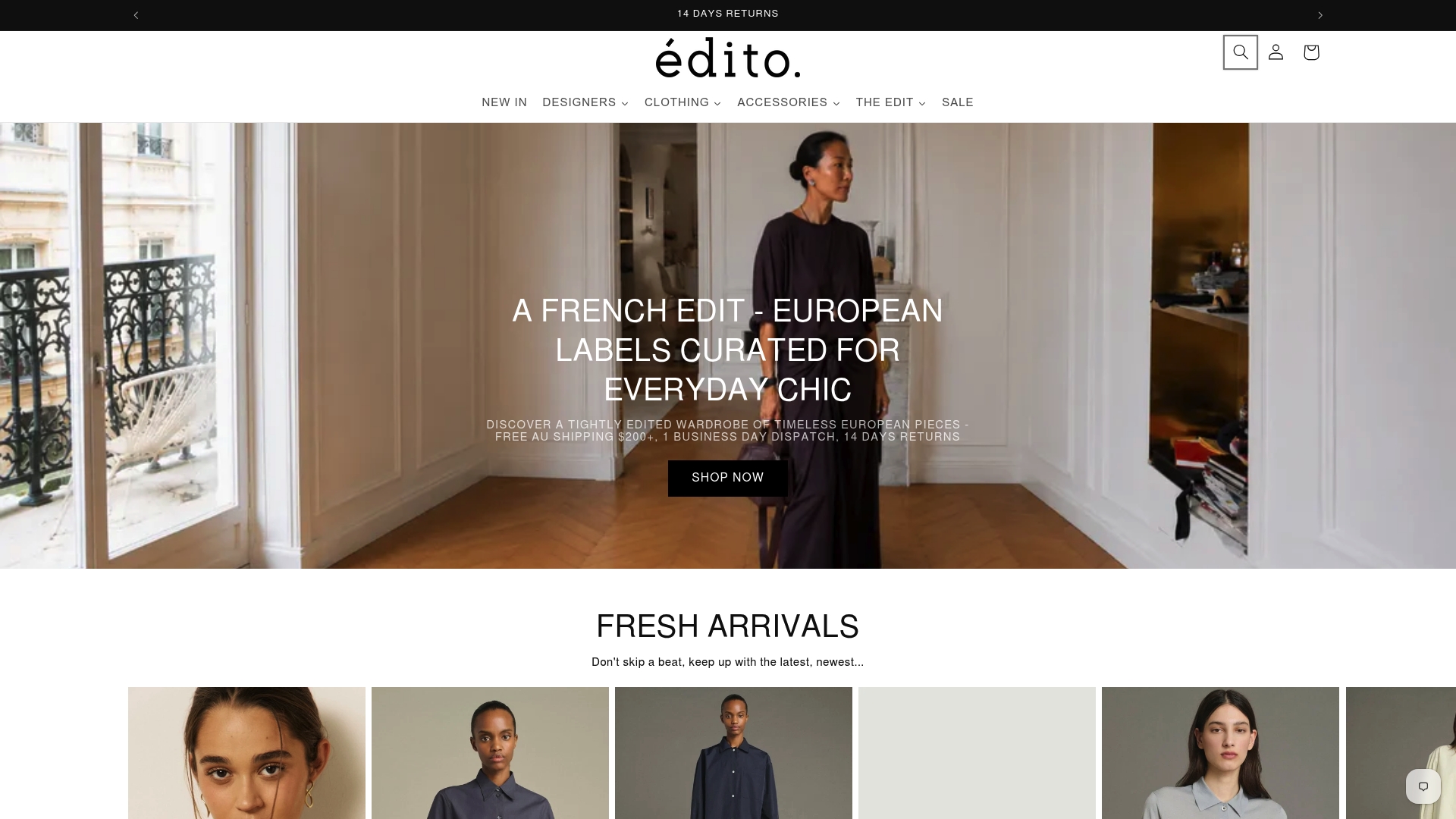
- Explore knitwear, bags and shoes for the fine layers at the centre of every formula above.
FAQ
What to wear in autumn in Australia?
A silk slip under a fine knit, or a cotton shirt beneath a tailored coat, covers most Australian autumn days. The Bureau of Meteorology’s autumn 2026 summary notes daily temperature swings, so a removable mid layer and a packable outer piece matter more than any single garment choice.
What is the 3-3-3 rule for clothes?
Definitions vary, but a common version limits a wardrobe to three tops, three bottoms and three pairs of shoes worn on rotation for a set period, to test how versatile a capsule really is. It works well as an exercise for trimming an autumn wardrobe down to pieces that genuinely layer together.
What is the fashion for autumn 2026 in Australia?
Harper’s Bazaar Australia points to ‘dark romance,’ sheer lace and tactile textures such as shearling and feathers as the season’s defining motifs. Accessories, particularly opera-length gloves and sculptural brooches, are the easiest way to bring the trend into an everyday wardrobe.
What are the trends for autumn style in 2026?
Texture leads the season, with fine merino paired against leather, suede or crisp nylon to create warmth without bulk, a stylist approach well suited to Australian conditions. Low-maintenance, easy-to-wear pieces are favoured over runway-only looks this year.
Where can I shop European autumn fashion in Australia?
Edito Boutique curates European labels including Sœur, Sessùn and Vanessa Bruno, with pieces shipped across Australia and available to browse through its clothing and accessories collections. Checking fabric composition and fit notes on each product page helps match a purchase to the layering formulas above.
Sources
- Harper’s Bazaar Australia — Autumn/winter accessory trends 2026
- Bureau of Meteorology — Melbourne seasonal climate summary (Autumn 2026)
- MyerStreet — What does autumn fashion in Australia look like in 2026?
- Russh — Indigenous Australian fashion designers