
Natural fabrics for clothing are fibres drawn from plants or animals, and they generally deliver better breathability and biodegradability than synthetics. But they are not automatically the more sustainable choice: water use, land use and how long you keep the garment all factor in. The ACCC’s mandatory care-labelling symbols and Australian lifecycle research both point to the same conclusion, which is that longevity and proper care often outweigh the fibre label itself.
TL;DR:
- Natural fibers like cotton, linen, wool, and silk have different care needs and lifespan considerations that impact their true sustainability.
- Durability depends heavily on proper maintenance and garment construction, often outweighing fiber type in environmental impact.
- Microplastic pollution mainly separates synthetic fibers, as natural fibers biodegrade and do not persist in waterways.
- High-quality natural garments are recognizable by tight weave, strong seams, fiber content percentage, and certified eco-labels.
- Careful handling, mindful washing, and mending habits can significantly extend the life of natural fabric clothing, reducing overall environmental footprint.
Table of Contents
- Common natural fibres and how they differ
- Breathability, health benefits and where natural fibres fall short
- Sustainability trade-offs: what the lifecycle data actually shows
- How to spot a quality natural-fabric garment
- Caring for natural fabrics without shortening their life
- Building a smaller wardrobe of well-made natural garments
- Edito’s approach to fabric, care and seasonal dressing
- Shop natural fabrics with confidence at Edito
- Sources
- FAQ
Common natural fibres and how they differ
Not every natural fibre behaves the same way on your body or in your washing machine, and understanding the differences is the first step to buying with intention rather than guesswork.
Cotton is the workhorse of the natural fibre world, grown from the seed pod of the cotton plant and spun into everything from crisp shirting to heavy denim. It softens with wash, breathes well in Australian heat, and takes dye beautifully, though it wrinkles readily and can shrink if washed too hot. Cotton alone accounts for roughly 54% of apparel on the Australian market, according to an Australian lifecycle assessment of apparel consumption, making it the fibre most of us already own the most of.
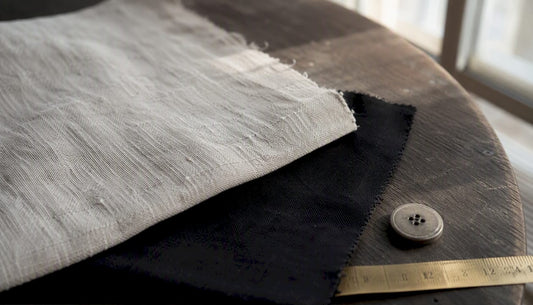
Linen, spun from the flax plant stem, is the fibre Australian summers were made for. Its open weave and low density mean airflow moves through it easily, and it dries fast after a wash. The trade-off is obvious the moment you sit down in a linen dress: it creases, and that texture is part of its character rather than a flaw to fight.
Silk comes from the cocoon filament of the silkworm and remains the most luxurious natural fibre in terms of drape and sheen. It regulates temperature well in both directions, keeping you cooler in summer and providing a fine layer of warmth in cooler months, but it demands gentle handling and rarely tolerates a standard washing machine cycle.
Wool, sheared from sheep, has a natural crimp that traps air and insulates without bulk. Merino wool in particular has a fine, low-itch fibre diameter that makes it wearable next to skin, and its structure resists odour far longer than cotton, which means fewer washes between wears. Wool does felt if agitated in hot water, so care has to be considered rather than automatic.
Hemp is having a resurgence in considered fashion circles. It is a fast-growing, low-input crop, and the resulting fabric is strong, breathable, and softens attractively with age, though early-generation hemp cloth can feel coarser than cotton until it has been worn in.
Bamboo and viscose sit in a category that trips up a lot of shoppers. Viscose (also labelled rayon) starts life as a natural cellulose, usually from wood pulp or bamboo, but it is chemically dissolved and re-spun into fibre. It drapes like silk and breathes reasonably well, but it is not a 100% natural fibre in the way cotton or linen are, and its environmental footprint depends heavily on how the manufacturer manages the chemical process. Treat “bamboo fabric” claims with a healthy scepticism until you see viscose or lyocell named on the label.
You will also see speciality fibres such as cashmere (from goat undercoat) and alpaca, both prized for warmth-to-weight ratio, and both needing the same gentle care as fine wool.
Designers rarely leave a fibre entirely alone. Blends exist for good reason:
- Cotton with a touch of elastane holds its shape through movement without losing breathability.
- Wool blended with nylon in knitwear resists pilling and extends the life of a jumper.
- Linen mixed with viscose softens the crease and improves drape for dresses and trousers.
- Silk with a small percentage of cotton lowers the price point while keeping some of silk’s sheen.
None of these blends make a garment less “natural” in any meaningful sense for most shoppers, and a considered blend often outlasts a fibre in its purest form.
Breathability, health benefits and where natural fibres fall short
The everyday case for natural fabrics for clothing comes down to how they behave against skin, and the research broadly backs the intuition.
Cotton and linen both allow air to pass through the weave, which is why they read as “cooler” fabrics, and wool’s crimped structure manages moisture by absorbing it into the fibre core rather than trapping it against your skin. Textile experts consulted for seasonal fabric reporting note that natural fibres tend to offer better UV protection and thermal comfort in hot weather when the weave is looser and the colour lighter.
Merino wool’s odour resistance deserves particular mention: its fibre structure absorbs sweat and breaks down odour-causing compounds more slowly than synthetics, which is why a merino base layer can go several wears between washes without smelling. That single trait cuts down on both laundry time and wear on the garment itself.
Sensitivity is another practical concern. Cotton, linen and silk are broadly considered hypoallergenic for most people, while coarser wool can irritate sensitive skin, though fine merino rarely causes the same reaction. If you find wool itchy, the fibre diameter is usually the culprit, not wool as a category.
The limitations are real, and worth naming plainly:
- Linen and cotton crease, and pressing or steaming becomes part of the routine, not an occasional chore.
- Silk and fine wool need specialised washing, which costs more time and sometimes money.
- Natural fibres generally cost more per garment than synthetic equivalents, reflecting both raw material and processing.
- For high-output activewear, moisture-wicking synthetics or performance blends still outperform pure natural fibres, and pretending otherwise does nobody any favours.
Pro Tip: If you run hot at night, swap a cotton sheet set for one with a slightly looser weave rather than assuming a higher thread count automatically means cooler sleep. Weave density affects airflow more than thread count alone.
Sustainability trade-offs: what the lifecycle data actually shows
The instinct to treat “natural” as shorthand for “sustainable” does not hold up once you look at lifecycle data.
Cotton is a thirsty crop, and conventional cultivation uses considerable irrigation depending on region and growing method. Wool production carries land-use and animal welfare considerations that vary enormously by farming practice. A 2024 Sydney Morning Herald report on sustainable fashion makes the point directly: every fibre, natural or synthetic, carries a trade-off, and the fibre choice alone rarely tells you whether a garment is the sustainable option.
Cotton apparel holds roughly a 54% market share in Australia, with polyester close behind at around 31%, according to an Australian lifecycle assessment of apparel consumption, and those two fibres together account for the bulk of the country’s clothing footprint.
Microplastics are where natural fibres hold a clear, specific advantage. Synthetic garments shed plastic microfibres every time they are laundered, and those fibres pass through wastewater systems into waterways. Natural fibres biodegrade instead of persisting as plastic fragments, a distinction the same SMH reporting highlights as one area where the “natural” label genuinely earns its reputation.
But fibre choice is only half the picture. Lifecycle assessment methodology, including the ISO 14040/14044 framework that underpins most credible textile LCAs, increasingly factors in the use phase and end-of-life stage rather than production alone. That shift matters because it changes the ranking: a wool jumper with a heavier production footprint but a decade of wear can outperform a cheap cotton tee replaced six times over the same period. Durability, in other words, is doing more environmental work than the fibre tag on its own.
How to spot a quality natural-fabric garment
Judging quality from a photo or a hanger takes practice, but a handful of checks will get you most of the way there.
- Read the fibre content percentage first. A label reading “70% linen, 30% viscose” tells you the garment will drape softer than pure linen but crease less, which is useful information, not a downgrade.
- Check the fabric weight. Heavier gsm (grams per square metre) linen and cotton generally hold shape and resist see-through better than lightweight versions, particularly in pale colours.
- Look at weave tightness. Hold the fabric to light. A tightly woven cotton or linen will show minimal gapping between threads, a sign of durability.
- Inspect the seams. French seams, flat-felled seams or overlocked edges that lie flat suggest a garment built to survive repeated wear and wash.
- Note the presence of elastane or lining. A small percentage of elastane in trousers or dresses is not a compromise; it is often what keeps a natural-fibre garment wearable through movement.
- Understand what certifications actually cover. GOTS (Global Organic Textile Standard) verifies organic fibre content and restricts certain processing chemicals, while Oeko-Tex certifies that the finished textile is free from a defined list of harmful substances. Neither certification guarantees fair labour conditions or a low carbon footprint on its own, so treat them as one data point rather than a full sustainability verdict.
- Shop with your eyes when buying online. Close, well-lit fabric images and a clear return policy tell you more than marketing copy. Provenance details, like where a garment was woven or finished, are a reasonable proxy for a brand’s confidence in its own construction.
Product pages from specialist boutiques often describe weave, weight and construction detail rather than relying on vague quality claims, which is worth checking for on any label before you commit.
Caring for natural fabrics without shortening their life
Most damage to natural-fibre garments happens in the laundry, not on the body, which makes care knowledge the single highest-leverage skill in extending a wardrobe’s life, as explained in this guide to sustainable relocation in Melbourne that includes practical advice on garment packing and care.
Australia’s mandatory care-labelling standard requires five universal symbols on clothing and many textile products, covering washing, bleaching, drying, ironing and professional cleaning, and those symbols have applied since 2006. Learning to read them takes about ten minutes and saves a lot of shrunken jumpers. The rules cover far more than clothing, extending to bedding, upholstery and other household textiles, so the same symbol literacy carries across your whole home.
Fibre-specific care makes the biggest practical difference:
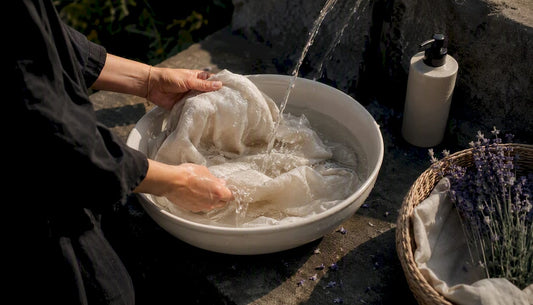
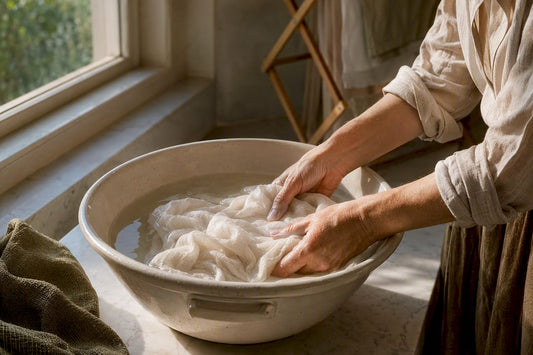
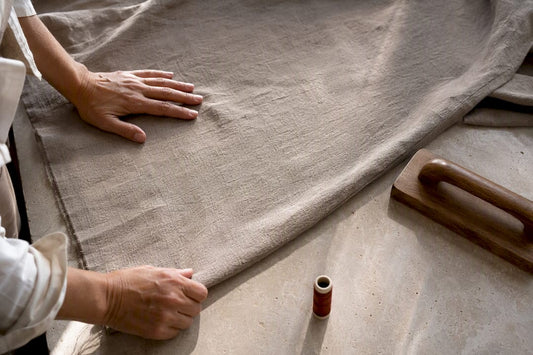
- Linen prefers a gentle, cool wash and air-drying rather than the tumble dryer, which accelerates fibre breakdown over repeated cycles, according to Ecolena’s natural fabric care guide. A quick read of our linen care guide covers the pressing technique that keeps creases intentional rather than tired-looking.
- Cotton tolerates warmer washes than linen but still benefits from cooler cycles to hold colour and shape longer.
- Silk should be hand-washed or dry-cleaned, never wrung, and dried flat away from direct sun. Our silk care guide walks through the full process for readers who want to skip the dry cleaner altogether.
- Wool and knitwear should never be hung wet, since the weight of water stretches the shoulders permanently. Dry flat, reshape while still damp, and store folded rather than on a hanger.
- Viscose behaves more delicately than its silk-like appearance suggests and generally needs a cool, gentle cycle or hand wash, closer to silk’s care regime than cotton’s.
Beyond washing, small habits do a lot of the heavy lifting. Airing a garment between wears, rather than washing after every outing, is one of the simplest ways to extend its life, and use-phase choices like this influence a garment’s lifetime environmental footprint more than most people assume. Micro-pilling on wool or cotton knits can be removed safely with a fabric comb or a battery-operated fabric shaver, restoring a fresh look without replacing the piece. Small tears are worth mending promptly, before they widen, and anything structural, like a coat lining or tailored seam, is usually worth a trip to a professional cleaner or tailor rather than a DIY fix.
Pro Tip: Keep a small fabric comb in your top drawer. Five minutes on a pilled wool jumper before it goes back in rotation makes it look freshly bought, and it costs nothing beyond that five minutes.
Building a smaller wardrobe of well-made natural garments
A wardrobe built around fewer, better natural-fibre pieces tends to serve Australian conditions more reliably than one chasing trend cycles, largely because interchangeability and longevity do more work than volume ever could.
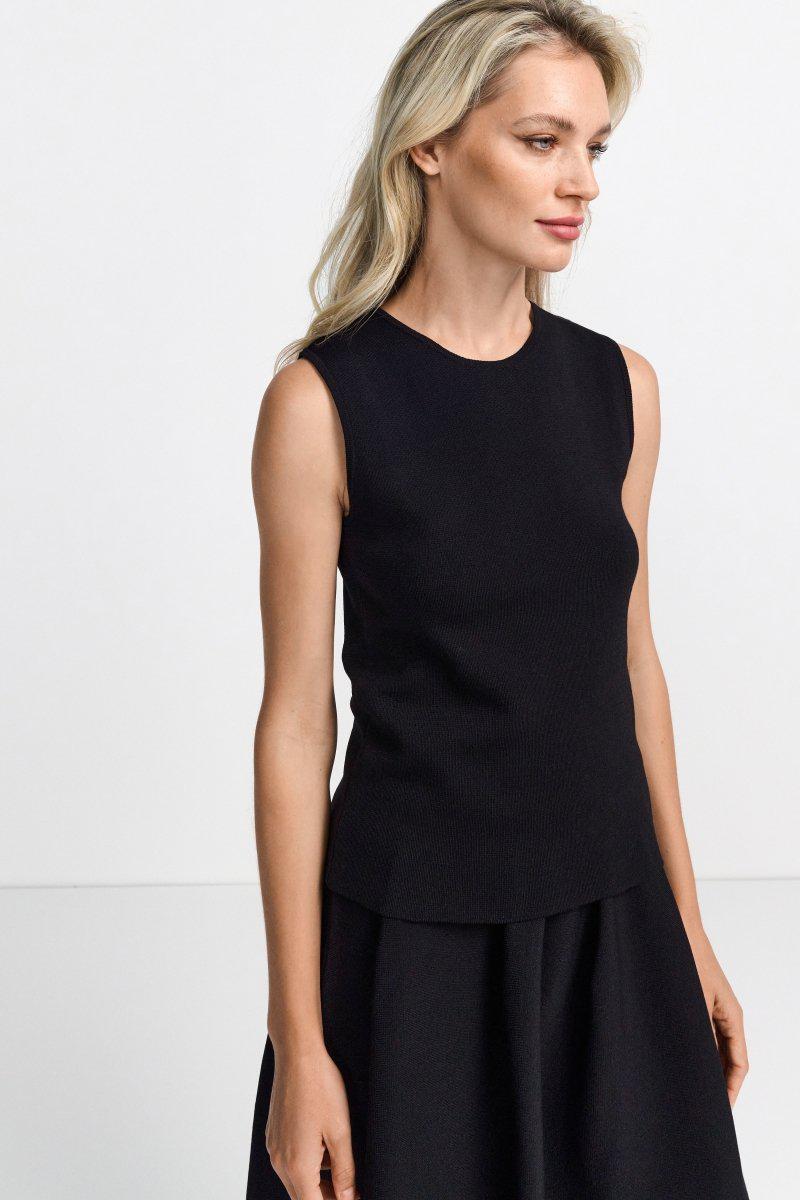
The Flora Silk Scarf in Khaki is a useful case study in multipurpose design. A well-made silk scarf works as a neck accessory in cooler months, a bag tie in summer, and a hair accessory in a pinch, and because silk resists odour and holds dye well, it ages more gracefully than a printed synthetic equivalent. The Fine Knit Top in Mindnight demonstrates the same principle in knitwear: a quality knit in a considered colour layers under blazers in Melbourne winter, stands alone in a Brisbane evening, and, cared for properly, resists the pilling that makes cheaper knits look tired within a season.
Both pieces share a quality that matters more than most style guides admit: they are repairable. A loose thread on a knit hem or a snag on silk can usually be fixed rather than binned, provided the construction was sound to begin with. That repair-friendliness, more than any fibre label, is what separates a genuine investment piece from a fast-fashion placeholder, and it is worth checking for stitching quality and seam finishing before any garment earns a spot in a considered wardrobe.
Edito’s approach to fabric, care and seasonal dressing
I air garments between wears before I ever reach for the wash cycle, and I wash wool and silk on their own schedule rather than lumping them in with cotton basics out of convenience. Mending a small snag has saved more of my wardrobe than any product ever has, and it is the habit I would recommend adopting first. For readers wanting to go deeper, Edito’s garment-care guides and styling pages cover fibre-specific detail beyond what fits in one article. None of this requires choosing between looking good and making considered choices. The two sit together more comfortably than fast fashion ever suggested.
— Mickael Martin
Shop natural fabrics with confidence at Edito
Choosing natural fabrics for clothing from curated collections that prioritise construction quality offers an alternative to guessing your way through fibre labels and washing symbols, helping ensure garments earn their place in a considered wardrobe rather than a single season.
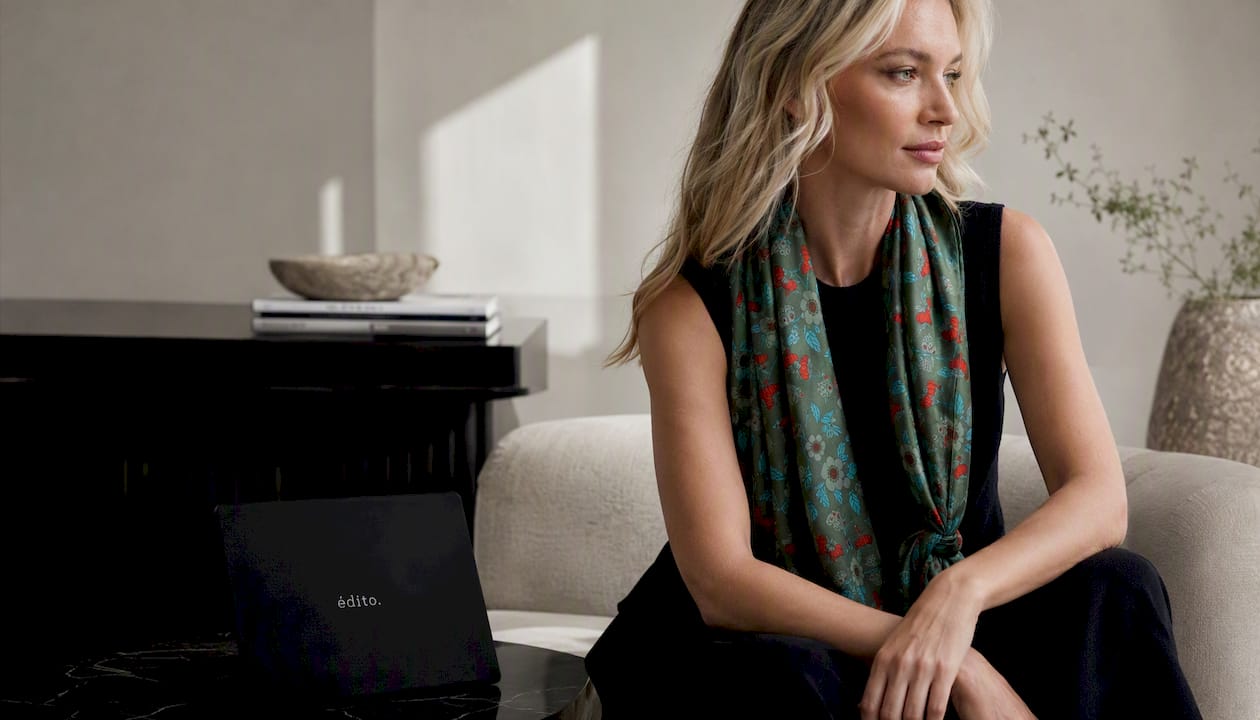
The Flora Silk Scarf in Khaki is a genuine multi-season accessory, equally at home knotted over a knit in winter or draped over bare shoulders in summer. The Fine Knit Top in Mindnight delivers the layering versatility this article has been making the case for, in a fine gauge that holds its shape wash after wash. Browse the full clothing and accessories collections, including dresses, tops and pants, or explore our knitwear, bags and shoes edit. Every order ships with straightforward returns, so trying a new fibre or fit carries none of the usual risk. Start with one piece and let it prove its worth in your rotation before building the wardrobe around it.
Sources
For readers who want to verify the science behind this guide, the Australian lifecycle assessment of apparel consumption underpins the market-share and footprint figures cited throughout. The ACCC’s mandatory care-labelling standard explains the legal basis for the symbols on every garment tag. SMH’s sustainable fashion reporting and ABC’s seasonal fabric guide both offer expert commentary on fibre performance and trade-offs, while Ecolena’s care guide is a reliable reference for fibre-specific washing and drying instructions.
- Sustainable fashion: Is cotton always best? (SMH)
- Care labelling for clothing and textiles — mandatory standard (Australian Product Safety)
- Life cycle assessment of apparel consumption in Australia (journal DOI)
- What fibres and fabrics to wear in summer (ABC News)
FAQ
What is the best natural fabric for clothing?
There is no single best fibre; linen suits hot climates and breathability, wool suits insulation and odour resistance, and silk suits drape and occasion wear. The right choice depends on the garment’s use and how much care you are willing to give it.
What’s the healthiest fabric to wear?
Cotton, linen and silk are broadly considered hypoallergenic and skin-friendly for most people, while fine merino wool suits sensitive skin better than coarser wool grades. Breathable natural fibres also reduce heat and moisture build-up against skin compared with many synthetics.
What are 100% natural fabrics?
A 100% natural fabric is made entirely from plant or animal fibres with no chemical regeneration process, such as pure cotton, linen, silk, wool or hemp. Viscose and modal are plant-derived but chemically processed, so they are not classed as 100% natural in the same sense.
Where can I find all-natural fabrics in Australia?
Specialist and curated boutiques, including Edito’s own clothing collection, list fibre content clearly on each product page, making it straightforward to filter for pure natural fibres. Checking the fibre percentage on the label before purchase remains the most reliable method regardless of retailer.