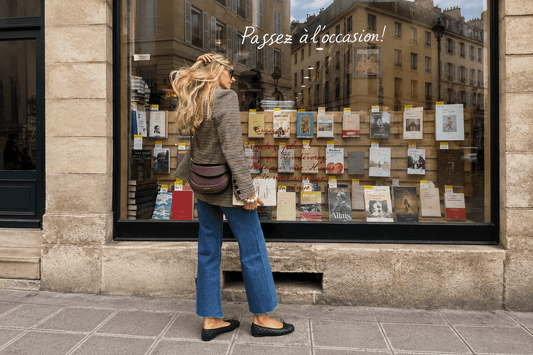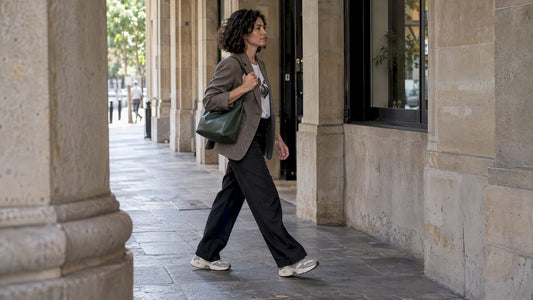

At Edito, the capsule we curate rests on a trench, a white shirt, a tailored blazer, a Breton stripe, tailored trousers, quality jeans, a little black dress, ballet flats, clean sneakers, simple knitwear and a scarf. These pieces mix freely, so one small group of garments carries you from morning to evening and from one season to the next. Here is how we choose, combine and care for them.
TL;DR:
- Audit your wardrobe by turning hangers backward, then identify weekly favorites and genuine gaps before buying staples that fit your existing clothes.
- Choose two or three base colors and one or two accents, then test every potential purchase with at least three pieces you own.
- Spend more on a coat, blazer, and quality knit, while saving on tees and scarves; judge value by how often you will wear each piece.
- Wash jeans inside out in cold water and rarely, air jackets between wears, fold knits, and reserve dry cleaning for structured coats and blazers.
- In Brisbane’s warm months, prioritize breathable shirts, linen blends, and flats; reserve heavier layers for cooler weather and use light knits during shoulder seasons.
Table of Contents
- What to look for in each Parisian staple
- How to build a Parisian capsule from what you already own
- Ten outfit formulas that put the essentials to work
- Fabrics, fit checks and cost-per-wear
- Care habits that keep your staples looking new
- Bringing European designer labels into your capsule
- Adapting Parisian staples to Australian seasons
- Edito picks: three pieces that belong in your capsule
- Why a small, curated wardrobe is worth building
- FAQ
- Sources
What to look for in each Parisian staple
Parisian dressing rests on what Edito’s own style guide calls sophisticated restraint: polished, tailored pieces set against relaxed ones, with very little decoration. Fashion coverage keeps returning to the same short list of staples, and we agree with it. Below, each item comes with what to prioritise and ideas for how to wear it.
The trench coat. Look for a cotton gabardine or similar tightly woven cloth, a belt that cinches without bulk, and a stone, sand or navy shade. Wear it open over a Breton stripe and jeans by day, or belted over a slip dress at night. It suits Brisbane’s cooler months and the shoulder seasons elsewhere.
The white shirt. Crisp cotton poplin, a collar that holds its shape and sleeves that reach the wrist bone are the priorities. Our Saphir Shirt in White is the kind of piece we mean: wear it tucked into tailored trousers for work, then untucked and half-buttoned over a camisole with jeans on the weekend.

The tailored blazer. Check that the shoulder seam sits at the edge of your shoulder, and choose navy, black or camel in a wool blend or a breathable weave. Throw it over a dress for dinner, or over a tee and straight-leg denim for a casual lunch. Stylists consistently advise investing in a blazer and coat that last across seasons, and it is the piece that rewards spending most.
The Breton stripe. A mid-weight cotton jersey with narrow navy and cream stripes and a boat neck is the classic. Wear it with white jeans and flats in summer, or under a blazer with trousers when the evening cools.
Tailored trousers. A high, comfortable waist and a straight or slightly wide leg in a draped fabric give the cleanest line. Our Erell Trousers are a good example in ecru. Pair them with a shirt and ballet flats for the office, or a fine knit and a heel after dark.
Quality jeans. Stylists point to loose, straight jeans as a foundation, and the Harry Jean in Chalk fits that description. Choose mid-weight denim that holds its shape, and a light wash that works with every neutral you own. Wear them with a white shirt and flats, or with a black knit and loafers.
The little black dress. A simple cut in crepe or a fluid viscose blend, around the knee, is endlessly adaptable. Add sneakers and a denim jacket by day, then a belt and a structured bag for evening.
Ballet flats. Soft leather, a slightly rounded toe and a cushioned insole matter more than any detail. They finish trousers, jeans and dresses equally well.
Clean sneakers. White or cream leather, with no loud branding, bring the practical edge. Wear them with a slip skirt and knit, or with tailored trousers and a blazer.
Simple knitwear. Fine merino or a wool blend in navy, grey or cream layers under everything above and travels well in all but the hottest months.
The scarf. A lightweight silk or cotton-modal square costs little, weighs nothing and changes a plain outfit at the neck, in the hair or on a bag handle.
Across the whole list, the priorities are fit, a neutral colour and fabric that will age well. The stylist Liz Sunshine, quoted in the same Edito guide, recommends cultivating a “personal uniform” rather than chasing trends.
How to build a Parisian capsule from what you already own
You rarely need to start from zero. Stylists suggest beginning with a wardrobe audit: see what you wear, find the gaps, then buy staples that work with what is already there. Our own French capsule wardrobe guide walks through the full process. In short:
- Audit with the hanger trick. Turn every hanger backwards, then flip it the right way after you wear the item. After some time, the backwards hangers show what you do not reach for.
- Spot your repeats. Pull out the pieces you wear weekly. These show your real colours, cuts and fabrics, and they become the capsule’s core.
- Choose a neutral palette. Pick two or three base shades such as navy, cream and black, then add one or two accents, perhaps a red scarf or a camel coat, for personality.
- Set your numbers. A working capsule is usually a few dozen pieces, and our capsule wardrobe guide lays out an example capsule. If you like an organising rule, choose a balanced mix of tops, bottoms and layers, then combine them in different ways.
- Spend where it counts. Put money into the coat, the blazer and a quality knit, and save on tees and scarves.
- Rotate by season. Store out-of-season knits and heavier layers, keep your palette consistent, and the pieces will still combine when they return.
Pro Tip: Before buying anything new, try it with at least three things you already own. If it only works with one outfit, it is not a capsule piece.
The ABC has reported that a personal uniform saves time, money and waste, because you buy quality and focus on what you will reach for often.
Ten outfit formulas that put the essentials to work
Think of these as starting points. Change one element and each becomes a new outfit.
- Work: blazer, white shirt and tailored trousers with ballet flats.
- Weekend: Breton stripe, straight jeans and ballet flats.
- Cooler day: trench, slip dress and ankle boots.
- Casual smart: fine knit, midi skirt and clean sneakers.
- Dinner: little black dress, blazer over the shoulders and a structured bag.
- Errands: white shirt, jeans and sneakers with a scarf at the neck.
- Layered office: knit over a shirt collar, trousers and loafers.
- Evening out: tailored trousers, black knit and a heel.
- Travel: trench, Breton stripe, jeans and sneakers.
- Summer lunch: white shirt knotted at the waist, light jeans and flats.
To move from day to night, change the shoes, add a belt or swap the top. For layering across a changeable day, a shirt under a knit under a trench lets you remove layers as the temperature rises. Our guide to dressing a 12°C swing covers this approach in more detail.
On accessories, keep them few and deliberate: a scarf when you want colour, sunglasses for daytime polish, a belt to define a waist, and one small structured bag. Browse our accessories for the finishing touches.
Fabrics, fit checks and cost-per-wear
Buying well starts with the cloth. These are the priorities we apply to each staple:
- Trench: cotton gabardine or a similar dense weave that sheds light rain.
- Shirts: cotton poplin that stays crisp but breathes.
- Jeans: mid-weight denim with minimal stretch so they keep their shape.
- Knitwear: merino or wool blends that resist pilling.
- Trousers: fluid crepe or wool blends that drape rather than cling.
When you try something on, check the fit. Does the shoulder seam sit at the edge of your shoulder? Do the sleeves end at the wrist bone? Do the waist and hip sit in balance, without pulling or gaping? If a piece fails the shoulder test, no tailor can fully rescue it.
Insiders in the Edito guide advise investing in quality basics such as a blazer or structured coat that can be worn many ways, rather than buying many low-cost seasonal items. Cost-per-wear is the simple logic behind this: divide the price by the number of times you will realistically wear the piece. A coat worn weekly for years costs far less per outing than a trend piece worn twice.
Our clothing collection is selected with this in mind.
Care habits that keep your staples looking new
Good garments last longer when you treat them gently. Wash shirts and tees as needed rather than by habit, and air jackets and knits between wears. Wash jeans inside out and rarely, in cold water. Reserve dry cleaning for structured pieces such as blazers and trench coats, since frequent cleaning wears them down.
Fold knitwear rather than hanging it, so the shoulders do not stretch, and keep it in breathable storage away from moths. Hang blazers and coats on broad, shaped hangers. Condition leather flats occasionally, and let them rest a day between wears so they dry and hold their shape. Small repairs, a loose button or a frayed hem, are worth doing straight away.
Bringing European designer labels into your capsule
A capsule benefits from a few pieces with clear design intent. European labels often bring a distinctive cut, a considered fabric or a signature detail that lifts a simple outfit. Here at Edito we curate labels including Sœur, Sessùn, BA&SH, Vanessa Bruno, Sita Murt and Essentiel Antwerp, and each is described by its own heritage rather than as one national style.
The practical rule is to let one designer piece lead and keep the rest quiet. A sculpted jacket, a well-cut dress or a beautifully knitted cardigan can anchor an outfit built from your simpler staples. Choose pieces in your capsule palette so they mix with everything you own.
If you want a few ideas, start with our dresses and tops. For readers planning toward more formal occasions, this guide to a capsule formal wardrobe extends the same thinking to eveningwear.
Adapting Parisian staples to Australian seasons
Paris has four distinct seasons, but most Australian climates ask for more flexibility. Layering is the answer: a trans-seasonal wardrobe relies on a neutral palette and layers that can be added for warmth or removed in heat.
In Brisbane’s long warm months, lean on cotton poplin shirts, linen blends, breathable trousers and flats. The trench and blazer step back, though a lightweight cotton blazer still works for air-conditioned offices and evenings. In the cooler months, bring them forward, with merino knits under the trench for crisp mornings. In the shoulder seasons, a shirt, a light knit and a scarf can be layered or shed in minutes.

Choose natural, breathable fibres wherever possible, and keep colours light in summer and deeper in winter within your same palette. Wide-leg trousers and loose jeans can both stay comfortable when the weather turns humid.
Edito picks: three pieces that belong in your capsule
If you are starting with a few anchors, these three do a great deal of work:
- Erell Trousers: a tailored trouser in ecru that suits the office and dinner alike. Pair with a white shirt and flats, or a black knit and heels.
- Harry Jean in Chalk: a relaxed, straight-leg denim in a light chalk shade. Wear it with a Breton stripe and ballet flats, or a blazer and sneakers.
- Saphir Shirt in White: the capsule’s crisp foundation. Tuck it in, knot it or layer it under knitwear.
To find the pieces that complete the picture, explore our pants and the rest of the Edito collection.

Why a small, curated wardrobe is worth building
I have long believed that a good capsule is less about owning less and more about knowing exactly why each piece is there. The Parisian idea, as we read it, is that clothing should support the person wearing it rather than compete with her. A few well-made garments that fit properly tend to give you more confidence, and they are kinder to your budget and the planet because you keep wearing them.
At Edito, curation is our craft, and we are happy to help you edit. Our Parisian style guide is a good place to continue, and our team can advise on building a capsule around what you own.
— Mickael Martin
FAQ
What is the 3-3-3 rule for wardrobe?
A simple organising idea for capsules is to choose a mix of tops, bottoms and layers, then combine them in different ways. It keeps choices manageable and shows you quickly which pieces earn their place. You can adjust the numbers to suit your lifestyle.
What do Parisians wear every day?
Everyday Parisian dressing relies on a small set of staples: a white shirt, a Breton stripe, tailored trousers, good jeans, a blazer, a trench and comfortable flats or sneakers. The look is polished but relaxed, with minimal accessories.
What is the 5 piece French wardrobe?
The idea is to build outfits from versatile pieces, such as a shirt, trousers, a knit, a jacket and good shoes. Definitions vary, so treat it as a principle rather than a fixed list: a few high-quality items that all work together.
What should every wardrobe have?
Every wardrobe benefits from a well-fitting blazer, a crisp white shirt, quality jeans, tailored trousers, a simple knit and comfortable shoes. Stylists recommend auditing what you own first, then filling real gaps with staples that suit you.